Oil Surges to $112 as IEA Warns Hormuz Blockade Will Get 'Much Worse' in April
WTI crude hit $112.80 per barrel on April 2 as Iran's five-week blockade of the Strait of Hormuz removed 12 million barrels per day from global markets — more than two previous oil crises combined.
Crude oil prices surged to $112.80 per barrel on April 2, 2026, as Iran's blockade of the Strait of Hormuz entered its fifth week with no resolution in sight, dealing a staggering blow to the global economy and putting the largest supply disruption on record well ahead of previous energy crises including the 1973 OPEC embargo and the 1979 Iranian revolution. Brent crude, the international benchmark, reached $110.12 per barrel — a gain of more than 40 percent since the US-Israeli military campaign against Iran began on February 28 — while some models project prices could reach $174 per barrel if the chokepoint remains closed through the summer.
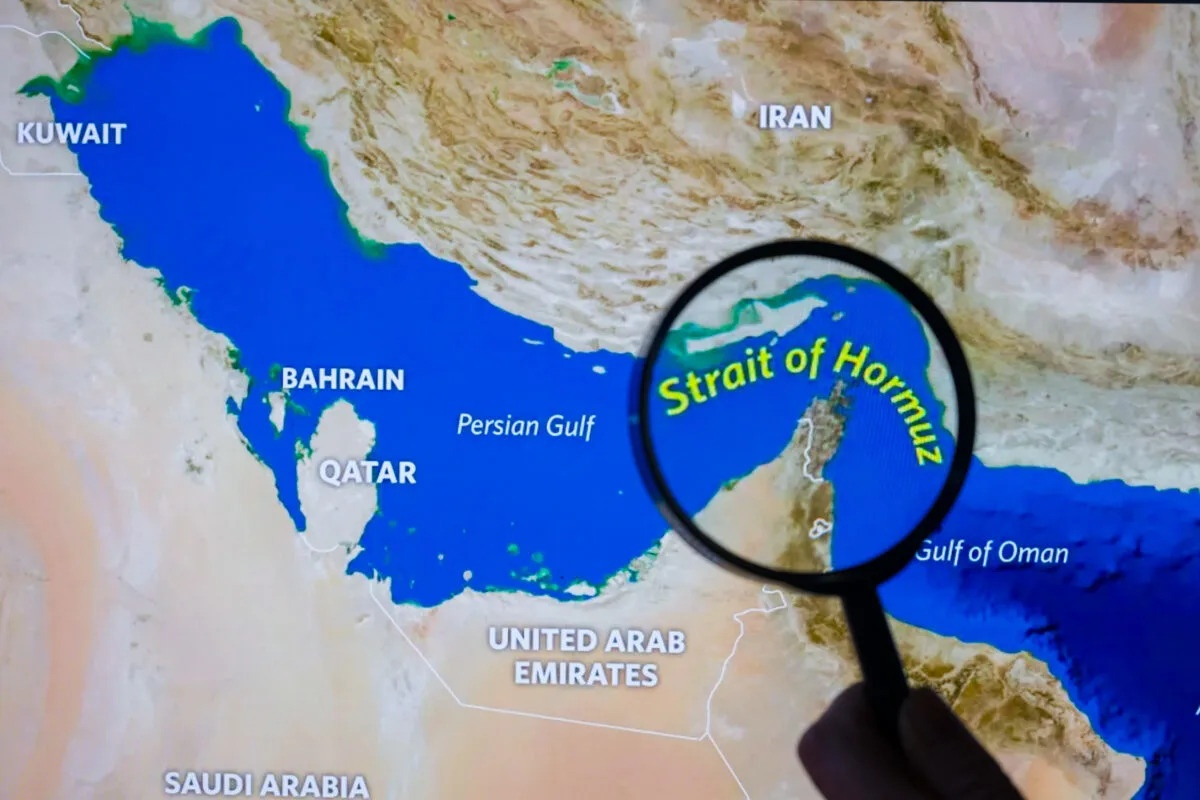
The Strait of Hormuz is the world's most critical oil chokepoint, a 21-mile-wide passage between Iran and Oman through which roughly 20 percent of all globally traded oil and liquefied natural gas normally flows. Iran has effectively sealed it through a combination of naval mines, missile strikes on commercial vessels, and selective boarding operations that have terrified ship owners and driven up insurance premiums to prohibitive levels. Commercial shipping traffic through the strait collapsed by nearly 100 percent in March, forcing tankers to reroute around Africa's Cape of Good Hope — adding two to four weeks to voyages, dramatically elevating freight costs, and stretching the logistics of getting Gulf oil to Asian and European markets to the breaking point.
The International Energy Agency issued an unusually stark warning on April 1, with Executive Director Fatih Birol declaring that April would be "much worse than March" and stating bluntly: "In April, there is nothing" — meaning effectively zero commercial tanker traffic was moving through the strait. The IEA said it was actively weighing a coordinated release of strategic petroleum reserves to provide temporary market relief, though officials acknowledged that strategic reserve releases are a bridge measure, not a solution. The agency estimates the Hormuz disruption is removing 12 million barrels per day from global markets — more than two of the largest previous oil supply crises combined.
The cascading effects are spreading throughout the global economy. Diesel prices at US pumps reached their highest level since 2022. Jet fuel costs have spiked by more than 80 percent since February, disrupting airline scheduling and driving up airfare. American farmers entering the spring planting season face fertilizer and fuel costs that have doubled or tripled compared to pre-war levels, raising fears of a 2026 agricultural crisis. Japan, South Korea, India, and much of Western Europe, which are heavily dependent on Gulf oil exports, are burning through strategic reserves at unprecedented rates. Goldman Sachs analysts issued a research note warning of $150 oil within 60 days if Iran maintains the blockade and OPEC producers — primarily Saudi Arabia — are unable to fully compensate for the lost Hormuz volumes.
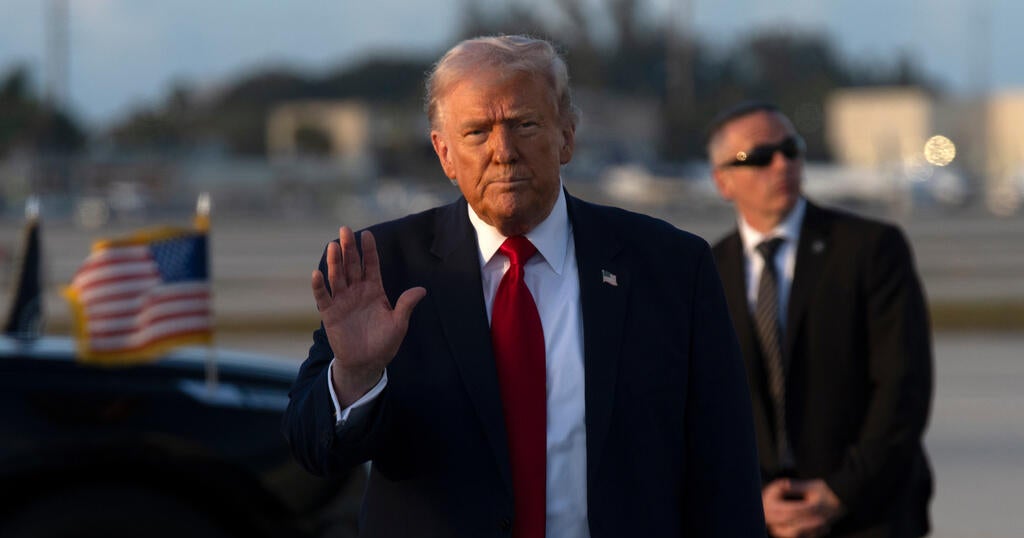
President Trump, who has described the Strait of Hormuz situation as Iran's problem to solve, declined this week to commit American naval forces to reopening the waterway. "That is not our responsibility," Trump said at a White House briefing, calling on other nations to "take the lead." That posture galvanized the United Kingdom, which convened an emergency virtual summit with more than 40 nations on Thursday to discuss diplomatic and military options for reopening the strait — pointedly without American participation. The UN's energy agency has called the crisis the largest single-source supply disruption in the history of global oil markets, and with Iran showing no signs of backing down and ceasefire talks having collapsed, the world is preparing for weeks more of the most acute energy emergency of the 21st century.