COP31 Opens in Turkey Under a War-Driven Energy Shock and Without a U.S. Delegation
The two-week U.N. climate summit in Antalya begins as the closure of the Strait of Hormuz pushes governments toward electrification and fossil-fuel phase-out talks.
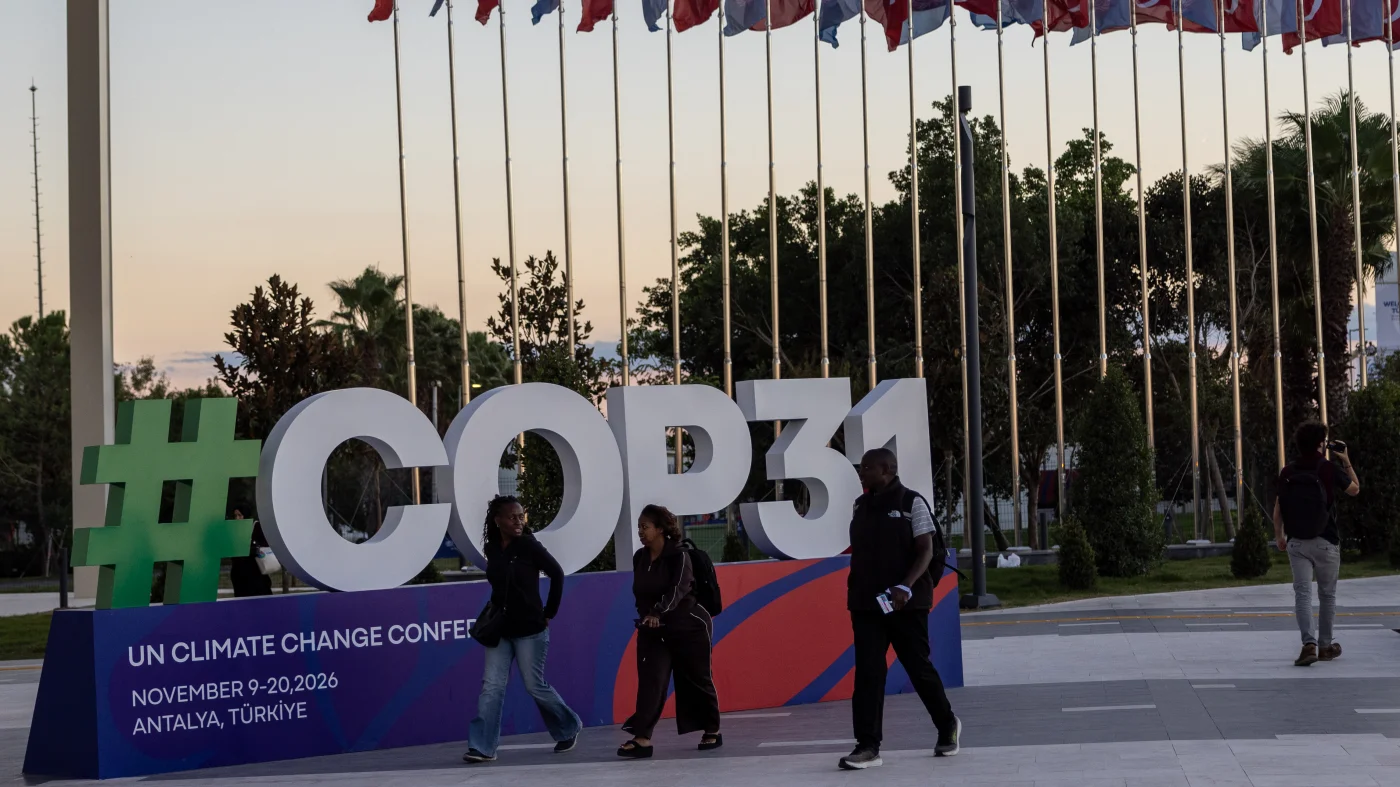
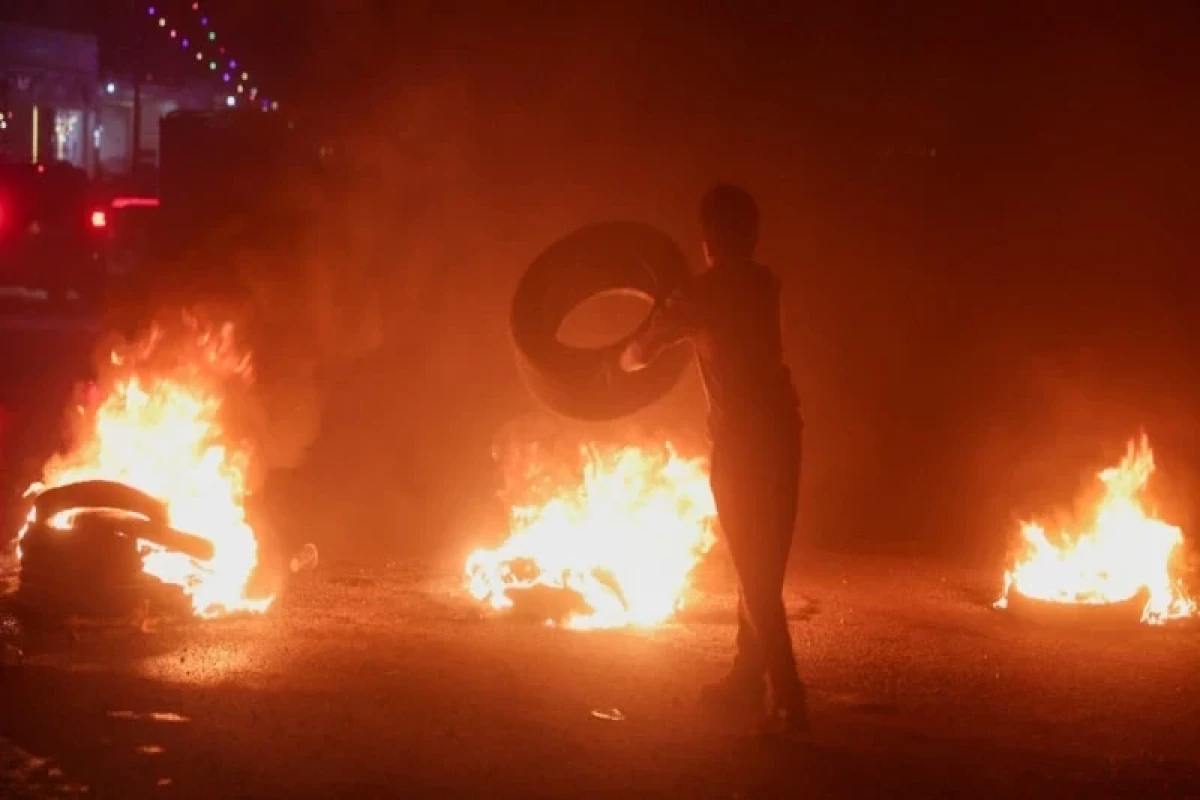
The annual U.N. climate conference, COP31, opened Monday in Antalya, Turkey, with the war with Iran, now in its ninth month, hanging over the negotiating rooms. The conflict has caused a global energy crisis, including an unprecedented closure of the Strait of Hormuz and spiking oil and gas prices.
Analysts say the shock is changing the argument. Kingsmill Bond of the energy think tank Ember told NPR this is the first energy crisis in which cheap alternatives, including solar panels, batteries and electric vehicles, are widely available. He is calling it "the electrification COP." The goal being discussed is raising electrification from about 23% of final energy use today to about 35% by 2035. Li Shuo of the Asia Society Policy Institute said more green energy will help countries decarbonize faster.
The second fight is over fossil fuels. Many governments say the U.N. process has done too little on oil, gas and coal, in part because Saudi Arabia and Russia have consistently opposed fossil-fuel language in final agreements. In April, more than 50 countries met in Colombia for the First International Conference to Transition Away from Fossil Fuels, and more than 25 of them are now developing a legally binding phase-out treaty. That effort sits outside the U.N. consensus process, which lets willing countries move without a veto.
The United States will be missing. The State Department says it will not send a delegation to COP31, and it also skipped last year's conference in Brazil. The Trump administration has rolled back clean-energy subsidies and climate regulations. Some Democratic lawmakers are attending anyway, including Sen. Sheldon Whitehouse of Rhode Island, who plans to focus on fossil fuels and a possible carbon-pricing mechanism. Whitehouse argues that fossil-fuel pollution cannot remain free if the world is to have a realistic path to climate safety.
The talks come days after a U.N. report found carbon dioxide reached 426.8 parts per million in 2025, with all three major greenhouse gases setting records. Delegates have two weeks to turn an energy emergency into commitments that outlast it.
Final decisions in the U.N. process require consensus, so any deal on fossil fuels would need to survive objections from major producers such as Saudi Arabia and Russia, which is why the coalition working on a separate treaty matters. For consumers squeezed by the war, the practical question is whether governments will pair the push for cheaper electricity with the finance poorer countries need to build it.