Chevron Signs Landmark Venezuela Oil Deals, Targeting 50% Production Boost as Global Energy Crisis Deepens
In a ceremony at Miraflores Palace, Chevron secured new Orinoco Belt drilling rights and a higher stake in PDVSA joint ventures, aiming to reach 300,000 barrels per day as the Trump administration leverages eased sanctions.

Chevron Corporation signed two landmark oil agreements with Venezuela on Monday, securing expanded drilling rights and a higher stake in the country's vast Orinoco Belt — the world's largest known oil deposit — as the Trump administration leverages eased sanctions to boost global crude supply amid the energy shock triggered by the Iran war.
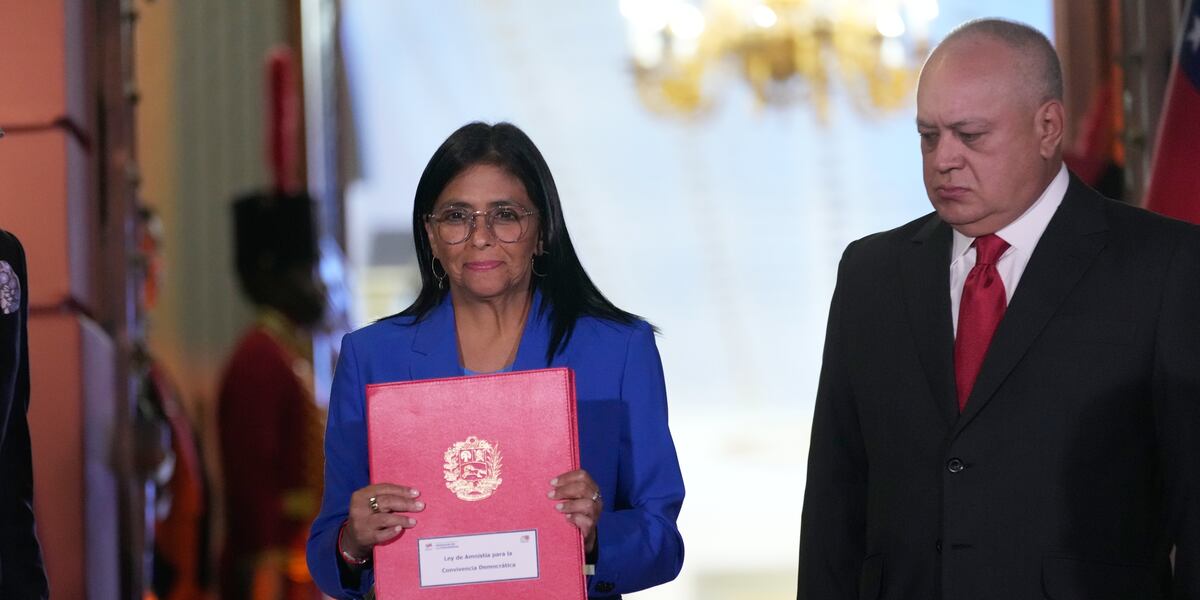
The deals were formalized at a ceremony at Venezuela's Miraflores Palace, attended by Venezuelan interim President Delcy Rodriguez, Chevron Venezuela President Mariano Vela, U.S. Charge d'Affaires Laura Farnsworth Dogu, and U.S. Assistant Secretary of Energy Kyle Haustveit. Under the agreements, Chevron will raise its stake in the Petroindependencia joint venture and secure primary drilling rights in the Ayacucho 8 block as part of the Petropiar joint venture with state oil company PDVSA.
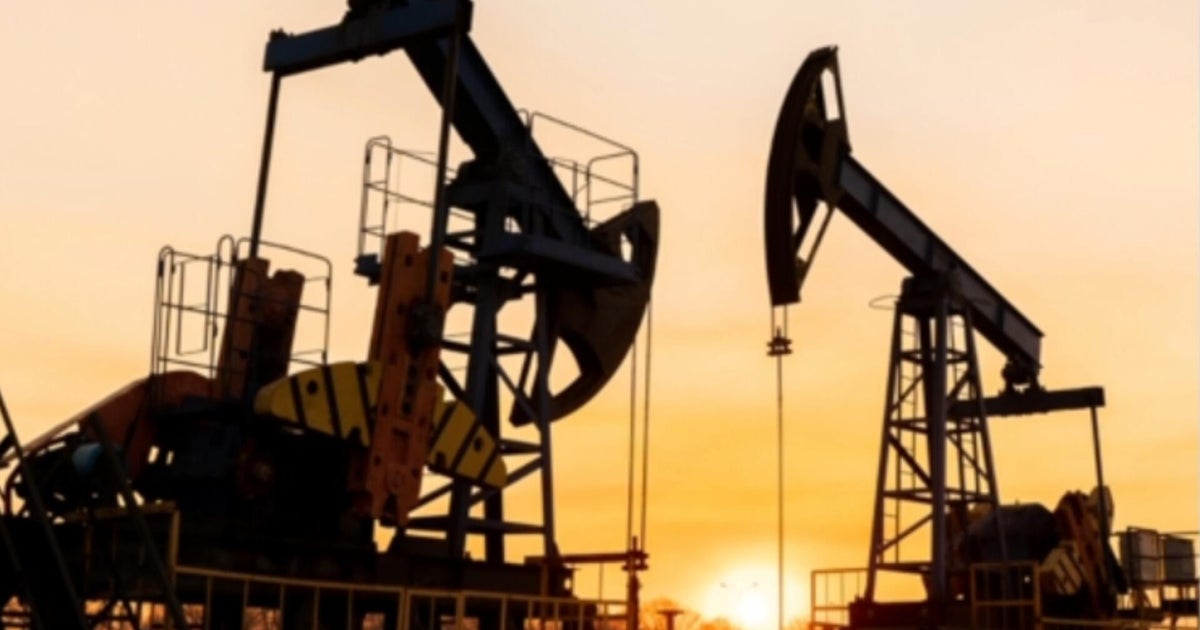
Current joint ventures between Chevron and PDVSA produce approximately 260,000 barrels per day, or roughly a quarter of Venezuela's national output. Chevron has said it expects to increase that figure by 50 percent over the next two years, and U.S. Energy Secretary Chris Wright projected output could eventually reach 300,000 barrels per day. The expansion targets the heavy crude extracted from the Orinoco Belt, one of the most prolific oil-producing regions in the Western Hemisphere.
The deals come in the context of a sweeping political transformation in Venezuela. Former President Nicolas Maduro was captured by U.S. special operations forces in January 2026 and is currently awaiting trial in the United States on drug trafficking and related charges. The Trump administration subsequently worked with Rodriguez — Maduro's former vice president and foreign minister, who now leads a transitional government — to reform petroleum regulations and attract foreign investment. In late January, Venezuela reversed decades of state control over its oil sector, opening the door for expanded foreign equity stakes.
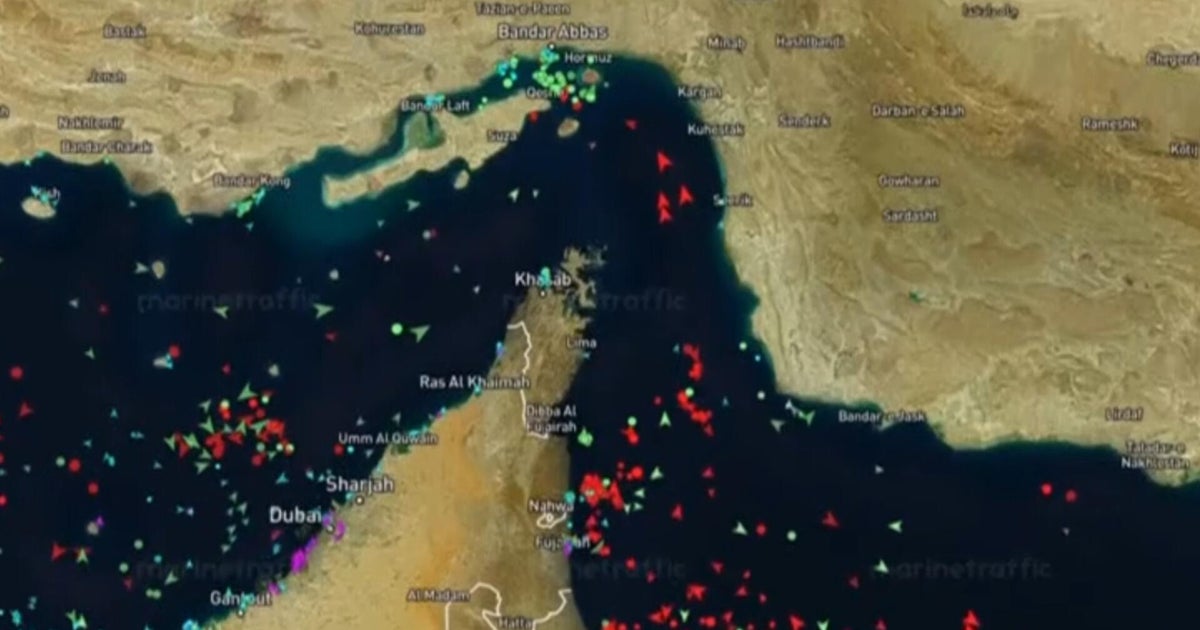
The administration eased oil industry sanctions on Venezuela shortly after those reforms, expanding operational latitude for American companies and signaling that further relief could follow if the transitional government cooperates on governance reforms and elections. The Chevron deals represent the largest single investment commitment by an American firm in Venezuela since sanctions began to be lifted. The White House framed the agreements as part of a broader strategy to restore global energy supply severely disrupted by the Iran conflict: the Strait of Hormuz, through which roughly 20 million barrels of oil per day transit, has been subject to severe disruption since the U.S.-Israeli campaign against Iran began in late February.
Analysts note the agreements carry geopolitical as well as commercial weight. Venezuela sits within the sphere of Chinese and Russian energy investment, and Chevron's expanded role could reduce Beijing's and Moscow's influence over PDVSA at a time when the Trump administration is seeking to isolate Iran — a close ally of both. Francisco Monaldi, an energy economist at Rice University's Baker Institute, said the move is as much about the strategic map as about barrels, with Washington reducing the leverage adversarial powers have over a major oil producer in America's backyard. The CBS News video of the Venezuela sanctions announcement illustrated the bipartisan significance of the moment, with both Energy Department officials and Venezuelan leaders describing the agreement as a new chapter in hemispheric energy cooperation.