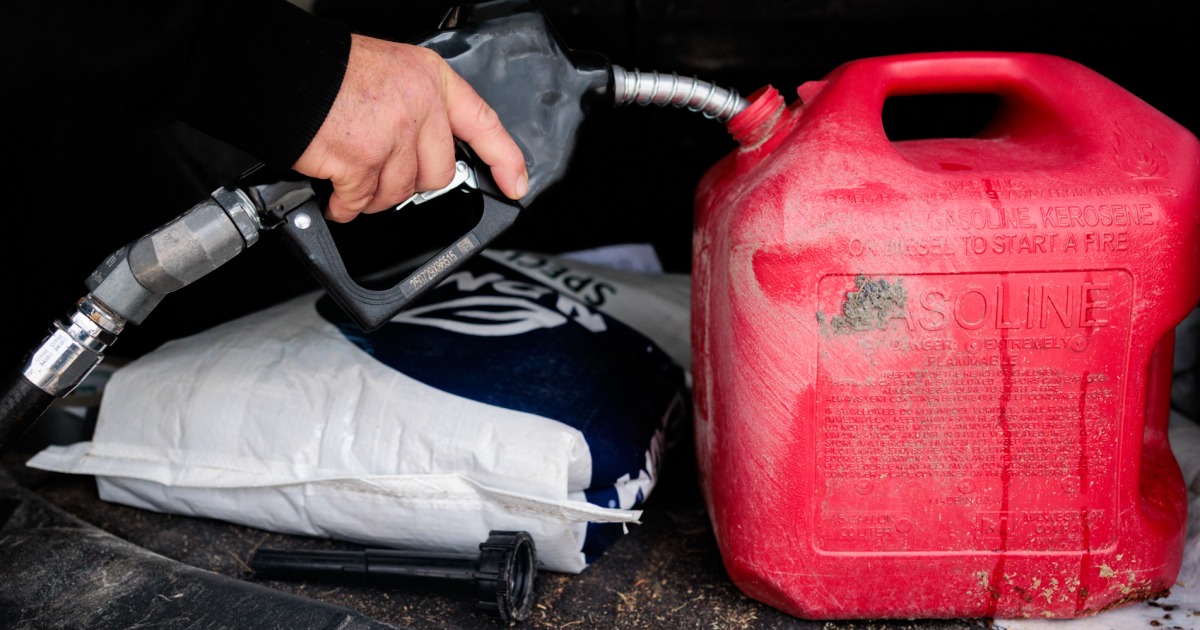
Oil Prices Spike to $117 as Trump's Iran Deadline Creates Market Panic
Energy markets surge and stocks tumble as President Trump's ultimatum for reopening the Strait of Hormuz approaches this evening.
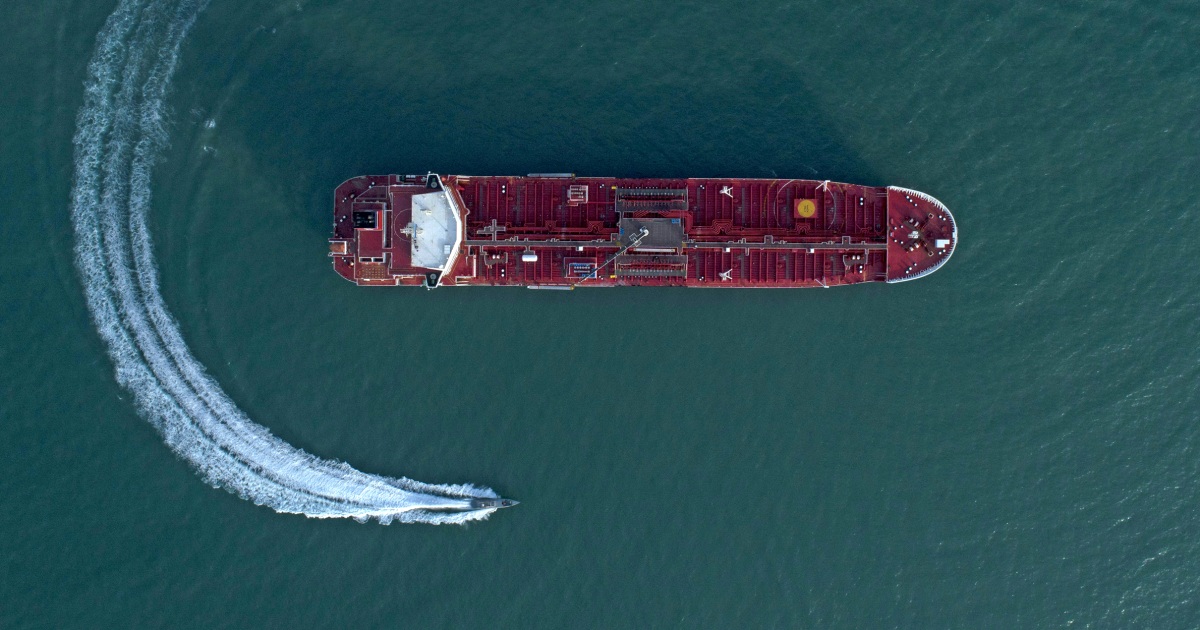
Oil prices briefly touched $117 per barrel on Tuesday as financial markets reacted with alarm to President Trump's approaching deadline for Iran to reopen the Strait of Hormuz. The dramatic price surge, which represents nearly a doubling since the U.S.-Iran conflict began, sent shockwaves through global energy markets and triggered widespread selling across major stock indices. Investors are bracing for potentially severe supply disruptions if Trump follows through on his threats of devastating attacks against Iran.
The Strait of Hormuz, through which approximately one-fifth of global oil supplies normally flow, has remained closed as tensions between Washington and Tehran have escalated rapidly. Trump's 8 p.m. Eastern deadline for Iran to make a deal to reopen the critical shipping channel has created unprecedented uncertainty in energy markets. Traders are positioning for the possibility that military action could disrupt oil production and transportation infrastructure across the broader Middle East region.
Stock markets have fallen sharply as investors flee to safe-haven assets amid the geopolitical crisis. Major indices dropped significantly during Tuesday trading as concerns about economic impact from sustained high energy prices weighed on market sentiment. The energy sector paradoxically experienced mixed performance, with some oil companies benefiting from higher prices while others faced concerns about potential supply chain disruptions and operational risks in volatile regions.
The price volatility has been exacerbated by reports that Iran has withdrawn from negotiations, effectively rejecting Trump's ultimatum. Market participants are closely monitoring developments ahead of the evening deadline, with many expecting continued price swings depending on whether military action materializes. Energy analysts note that even temporary disruptions to Middle East oil infrastructure could have lasting impacts on global supply chains.
The crisis has highlighted the global economy's continued vulnerability to Middle East supply disruptions, despite efforts to diversify energy sources and increase strategic reserves. Airlines have already begun cutting flights due to soaring jet fuel costs, while other energy-intensive industries are scrambling to adjust operations. The situation has created a challenging environment for the Federal Reserve and other central banks as they weigh monetary policy responses to both geopolitical risks and inflationary pressures from higher energy costs.