Trump Renames Strait of Hormuz the 'Strait of Trump' as Iran's Blockade Pushes Oil to $140 and Triggers Economic Shockwaves Worldwide
Iran's Revolutionary Guard has blocked dozens of vessels and forced Chinese tankers to pay yuan-denominated tolls, sending Brent crude to its highest level in years and devastating economies from East Africa to Qatar.
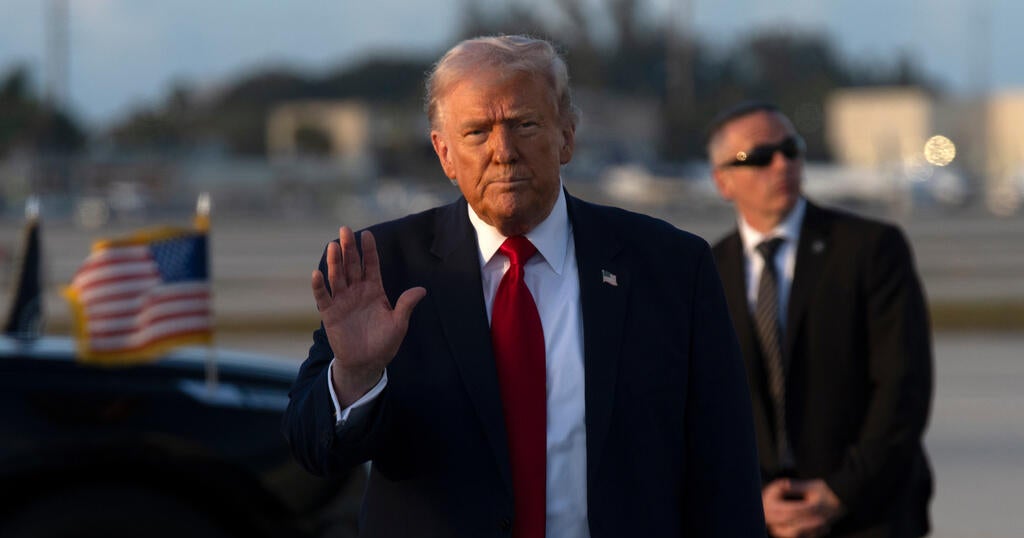
President Trump declared this week that he was personally renaming the Strait of Hormuz the Strait of Trump — the strategic chokepoint through which nearly one-fifth of all oil consumed globally transits daily — as Iran's Islamic Revolutionary Guard Corps continued to assert control over the waterway and block tankers seeking to exit, triggering an energy crisis that is already reshaping global markets and threatening severe economic consequences from East Africa to East Asia.
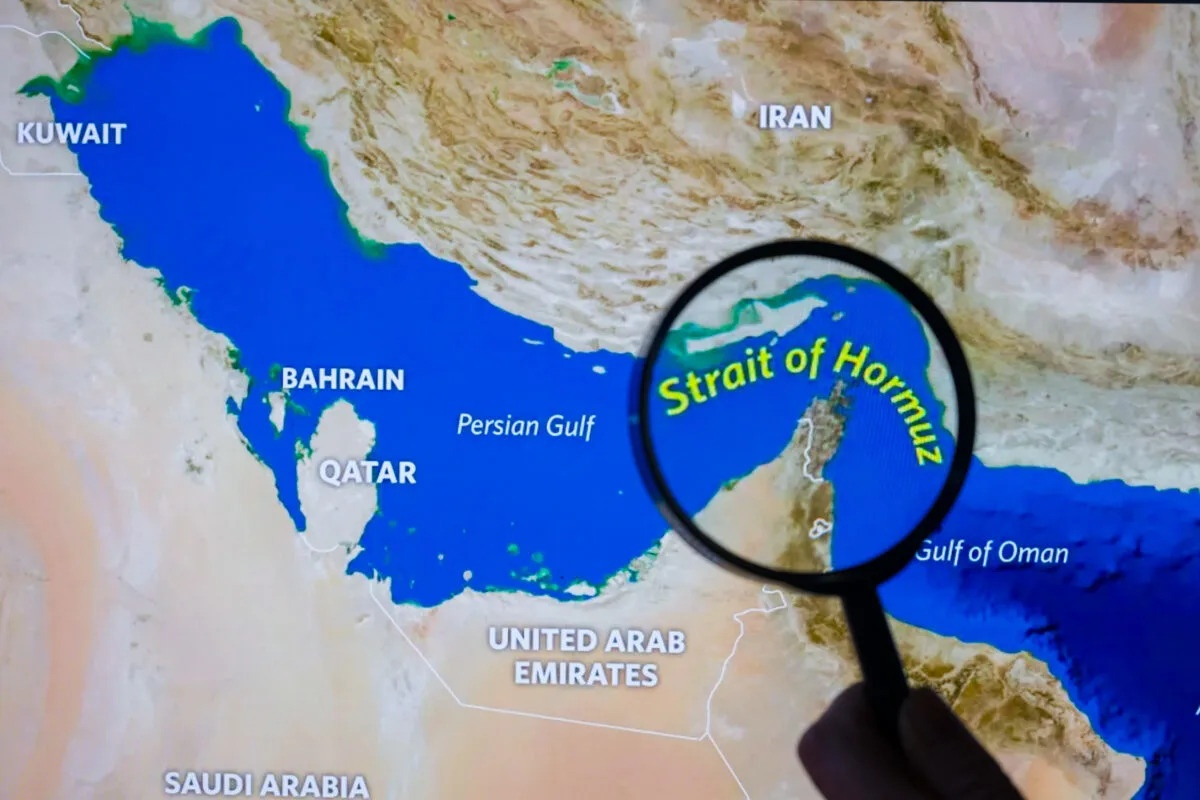
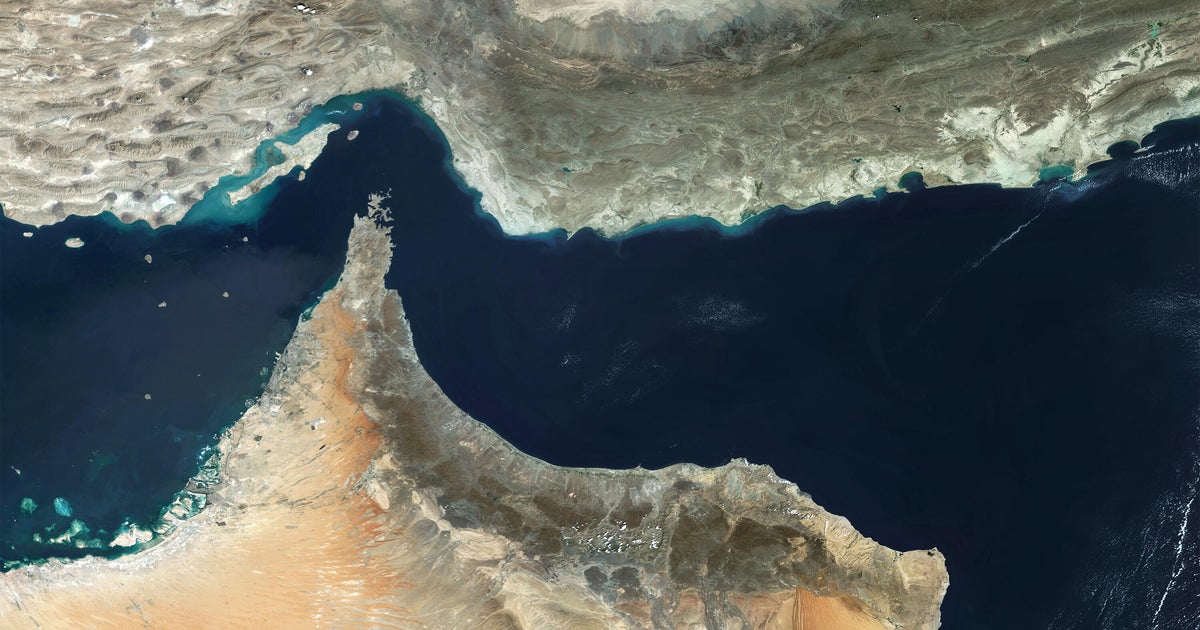
The Strait of Hormuz, a narrow passage between Iran and Oman connecting the Persian Gulf to the Gulf of Oman, carries an estimated 17 to 20 million barrels of oil per day under normal conditions, representing roughly 20% of global oil consumption. Since the U.S.-Israel war against Iran began on February 28, Iranian forces have progressively tightened their grip on the waterway. The Revolutionary Guard formally declared it closed in early March, threatening to set vessels on fire, and has since forced Chinese-flagged tankers to pay tolls denominated in Chinese yuan for passage — a move Tehran has framed as a direct challenge to U.S. dollar dominance in oil trade. On Friday, Iranian forces blocked two more Chinese-registered ships attempting to leave the strait, maritime monitoring services reported.
Lloyd's of London has placed the entire Persian Gulf in its highest war-risk zone, causing insurance premiums for tankers in the region to increase by as much as 900% since late February. Brent crude oil futures hovered near $140 per barrel this week — more than double pre-war levels — fueling inflation fears across every major economy. Trump extended a pause on U.S. strikes on Iranian energy infrastructure by an additional 10 days through April 6 as a U.S. envoy reported that Iran had agreed to meetings related to a proposed 15-point peace framework. The administration has been publicly urging other nations to send warships to help ensure freedom of navigation in the strait.
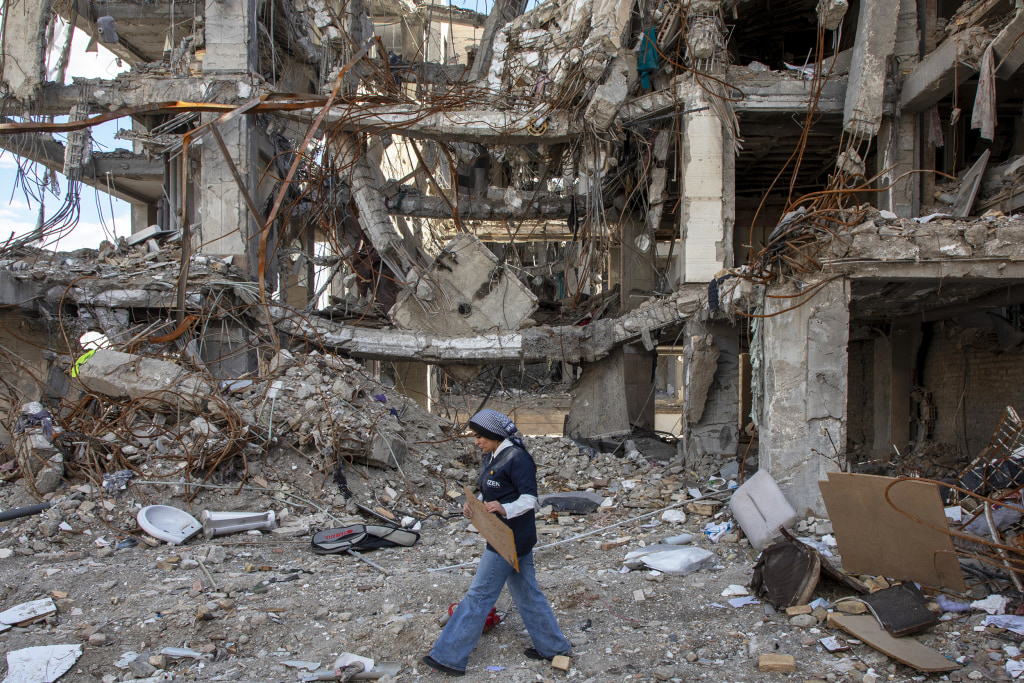
The economic ripple effects are severe and accelerating across multiple continents. Egypt has imposed rolling 9 p.m. business closures to reduce energy consumption as its fuel subsidies face catastrophic cost pressure. In Kenya, an estimated 6,000 to 8,000 tonnes of tea worth approximately $24 million is stranded at Port Mombasa after shipping services through the strait collapsed, affecting more than 65% of East Africa's tea export market. Ethiopia has extended petrol rationing amid intensifying fuel queues. Qatar has halted liquefied natural gas production, and a Saudi Aramco refinery was damaged in Israeli airstrikes last week, further constricting global supply. The S&P 500 fell 1.74% and the Nasdaq shed 2.38% on one of the week's worst trading sessions.
Pakistan has offered to mediate between Iran, Saudi Arabia, Turkey, and Egypt in talks scheduled for Islamabad in the coming days, though Iran's foreign minister expressed skepticism about the prospects. Germany's Chancellor publicly stated that regime change in Iran is not a realistic outcome of the conflict. NATO has refused to formally endorse U.S. military operations, a point Trump has repeatedly and bitterly raised in public comments. Despite the president's renaming of the waterway — widely seen as a rhetorical provocation aimed at domestic audiences — the fundamentals remain unchanged: Iran still controls passage through the strait, oil prices are near record highs, and the economic cost of the conflict is mounting faster than the diplomatic effort to end it.