Gas Prices Surge Over 30% in Multiple States as Iran War Enters Third Month
Drivers across the South and Southwest face the steepest increases, with Colorado hit particularly hard as the conflict disrupts global energy markets.

Gasoline prices have surged more than 30 percent in multiple states across the South and Southwest as the conflict with Iran enters its third month, placing enormous financial pressure on American households already strained by years of elevated living costs. The price increases, driven by disruptions to Persian Gulf oil supplies, have been particularly severe in states with long commuting distances and limited access to public transportation.
Colorado has been hit hardest, with average gas prices climbing 37 percent since the conflict began in late January. Drivers in the Denver metropolitan area reported paying well over $5 per gallon at many stations, a level not seen since the brief spike during the summer of 2022. Texas, Louisiana, Mississippi, and Arizona have also experienced increases exceeding 30 percent, according to data compiled by the American Automobile Association.
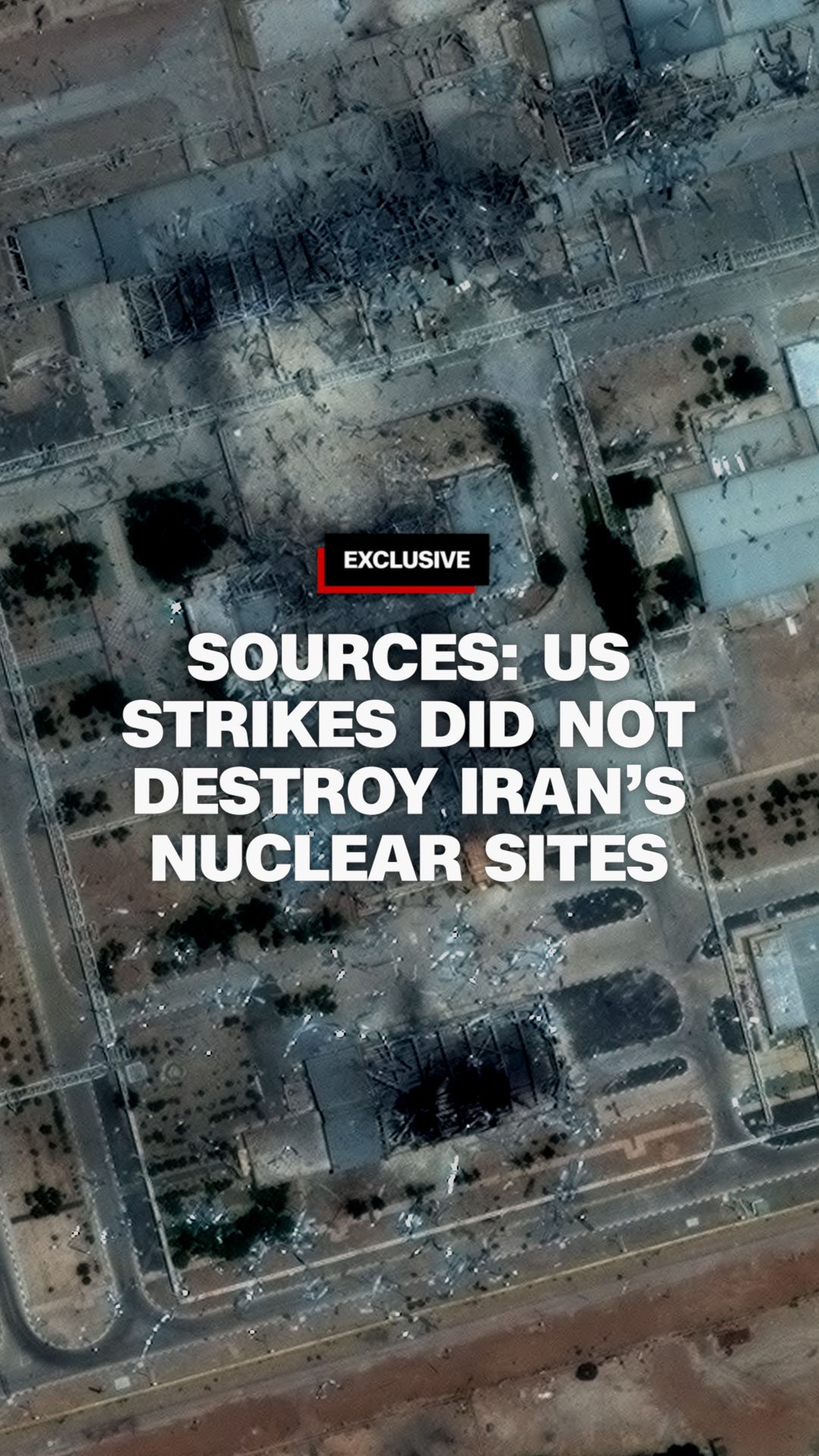
The surge reflects the cascading impact of the Iran war on global energy markets. Attacks on oil infrastructure in the Persian Gulf have taken millions of barrels of daily production offline, tightening supply at a time when global demand remains robust. Crude oil prices have climbed above $115 per barrel, and energy analysts said prices could go significantly higher if the Strait of Hormuz, through which roughly one-fifth of the world's oil passes, faces further disruption.
For families in the affected states, the price increases have forced difficult trade-offs. In rural areas of Texas and Colorado, where driving is a necessity rather than a choice, the additional fuel costs can amount to hundreds of dollars per month. Low-income households, which spend a disproportionate share of their budgets on transportation, have been especially hard hit.
Small businesses that depend on fuel for their operations are also feeling the strain. Trucking companies, delivery services, agricultural operations, and construction firms have all reported significant increases in operating costs that they are struggling to absorb. Many have begun passing the costs on to customers, contributing to broader inflationary pressures throughout the economy.
The Biden-era strategic petroleum reserve, already significantly drawn down during the 2022 energy crisis, offers limited capacity to cushion the blow. The Trump administration has released modest amounts from the reserve but has resisted calls for a large-scale drawdown, arguing that the reserves must be maintained for a more severe emergency. Critics say the administration's reluctance reflects a miscalculation about the severity of the current crisis.
State governors in the most affected regions have begun implementing emergency measures. Colorado Governor Jared Polis suspended the state's gas tax for 90 days and authorized emergency funds for transportation assistance programs. Texas Governor Greg Abbott announced a similar tax suspension and called on the federal government to do more to stabilize energy markets.
The political implications of the gas price surge are significant. Polls show that energy costs are now the top economic concern for voters, surpassing inflation in food and housing. The issue has created a difficult dynamic for the Trump administration, which launched the military campaign against Iran but now faces public frustration over its economic consequences.
Energy economists said prices are unlikely to decline significantly until the conflict is resolved or alternative supply sources can be brought online at scale. Neither outcome appears imminent, suggesting that American drivers will continue to face elevated costs at the pump for the foreseeable future.