European Airports Face Jet Fuel Crisis Within Three Weeks as Iran's Hormuz Blockade Throttles Global Oil
With jet fuel at $195 per barrel — more than double last year's average — and European strategic reserves depleting fast, the Airports Council International has warned of a systemic shortage that could ground flights across the continent.

BRUSSELS — European airports are facing a mounting jet fuel crisis that industry leaders warn could force widespread flight cancellations within three weeks, as Iran's ongoing blockade of the Strait of Hormuz continues to throttle the global oil supply in ways that are now cascading into aviation infrastructure across the continent. The Airports Council International issued a stark warning Friday, calling the situation a potential "systemic shortage" that threatens the movement of hundreds of millions of passengers and the livelihoods of more than 14 million workers tied to air connectivity across Europe.
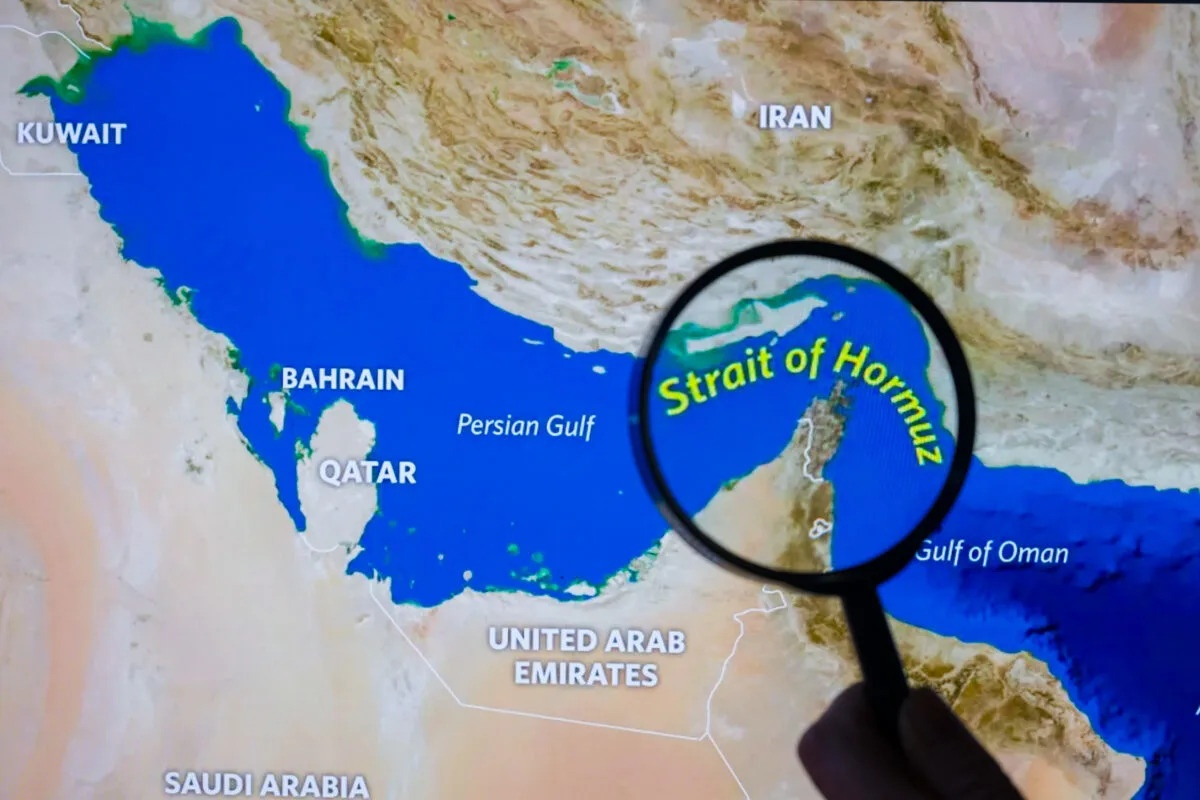
Iran shut down shipping through the Strait of Hormuz — the narrow waterway between the Persian Gulf and the Gulf of Oman through which roughly 20 percent of the world's oil and natural gas normally passes — in the opening days of its war with the United States six weeks ago. The blockade has choked off more than 90 percent of normal shipping through the strait, removing roughly 10 million barrels per day from global supply. The effect on energy prices has been immediate and severe: Brent crude has jumped 10 to 13 percent, with some analysts warning prices could breach $100 per barrel if the blockade continues through the summer. Aviation fuel has been hit particularly hard.
International Air Transport Association data published last week showed jet fuel averaging $195 per barrel — more than double the average recorded one year earlier. European airports have already begun imposing refueling restrictions on aircraft, and airlines from Ryanair to Lufthansa have preemptively canceled or consolidated flights on some routes to manage fuel inventory. The strategic paraffin reserves maintained by European Union member states are projected to last only eight to ten days more at current draw-down rates, according to industry sources familiar with the data, before rationing measures would become necessary.
"Air connectivity supports 14 million jobs and generates €851 billion in economic activity across European economies," the Airports Council International said in its Friday statement. "A systemic shortage of jet fuel would not be an inconvenience — it would be a structural shock to the European economy." EU energy ministers are scheduled to hold emergency talks Monday in Brussels, where options under discussion include activating strategic petroleum reserves, coordinating emergency fuel sharing between member states, and lobbying the United States to press harder for a Hormuz reopening in the Islamabad peace talks.
The disruption is particularly acute because European aviation was already navigating thin margins following years of post-pandemic cost pressures. Airlines that locked in fuel hedges at lower prices earlier this year have some buffer, but those contracts are expiring, and carriers are now forced to purchase jet fuel at spot market prices that few had anticipated when they set their 2026 fares and schedules. Ground transport and home heating costs are also rising sharply across Europe, straining household budgets heading into what forecasters expect will be a difficult economic quarter.
In the United States, the energy impact has been somewhat cushioned by higher domestic production and strategic reserves, but American airlines are not immune. Delta Air Lines and United Airlines both warned investors this week that fuel cost guidance for the second quarter would need to be revised sharply upward if the strait remains closed through May. The ultimate resolution of the energy crisis now depends on the outcome of the peace talks in Islamabad, where American and Iranian negotiators met Saturday for the first time since Iran's 1979 revolution. Until a deal is reached and the strait is reopened, the aviation industry is bracing for what one senior ACI official described as "the most serious supply shock we have faced since the 1970s."