Iran Missiles Devastate Qatar's Ras Laffan Gas Hub, Sending Oil to $116 and Triggering Diplomatic Crisis
The world's largest LNG export complex suffers "extensive damage" as Brent crude surges 8% and Qatar expels Iranian diplomats within 24 hours.

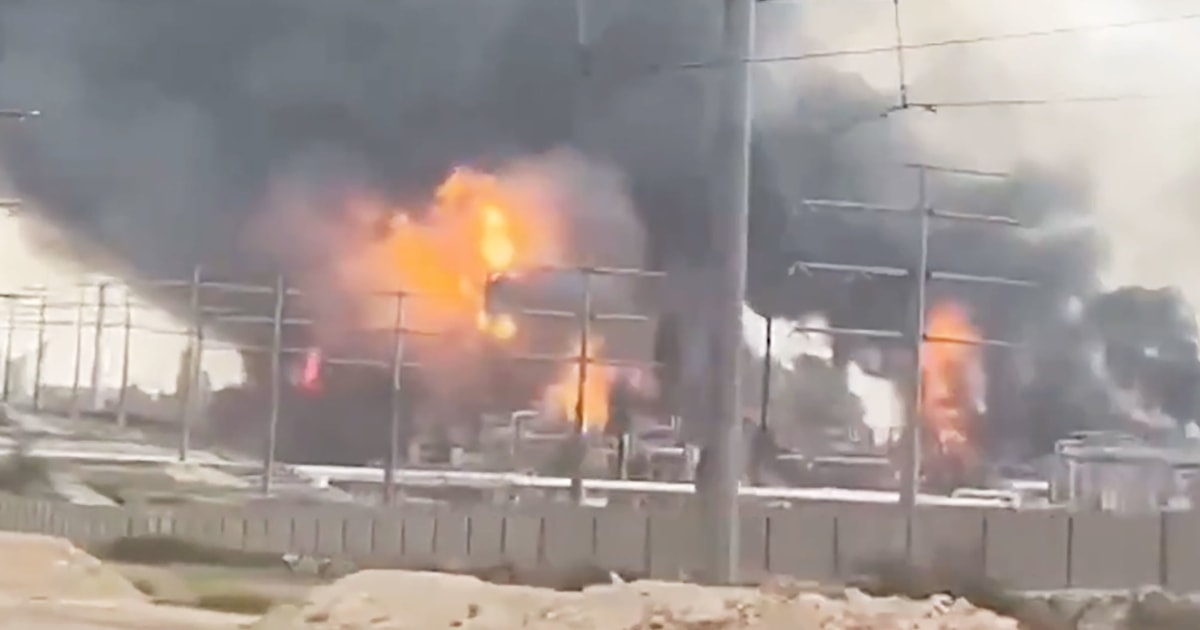
Iranian ballistic missiles tore through Qatar's Ras Laffan Industrial City early Thursday, causing what QatarEnergy described as "sizeable fires and extensive damage" at multiple liquefied natural gas facilities in the single most consequential attack on global energy infrastructure since the conflict began on February 28. The strikes sent Brent crude surging 8 percent to $116.2 per barrel and drove European natural gas prices up 24 percent in a matter of hours, as traders absorbed the reality that roughly one-fifth of the world's LNG supply had been knocked offline.
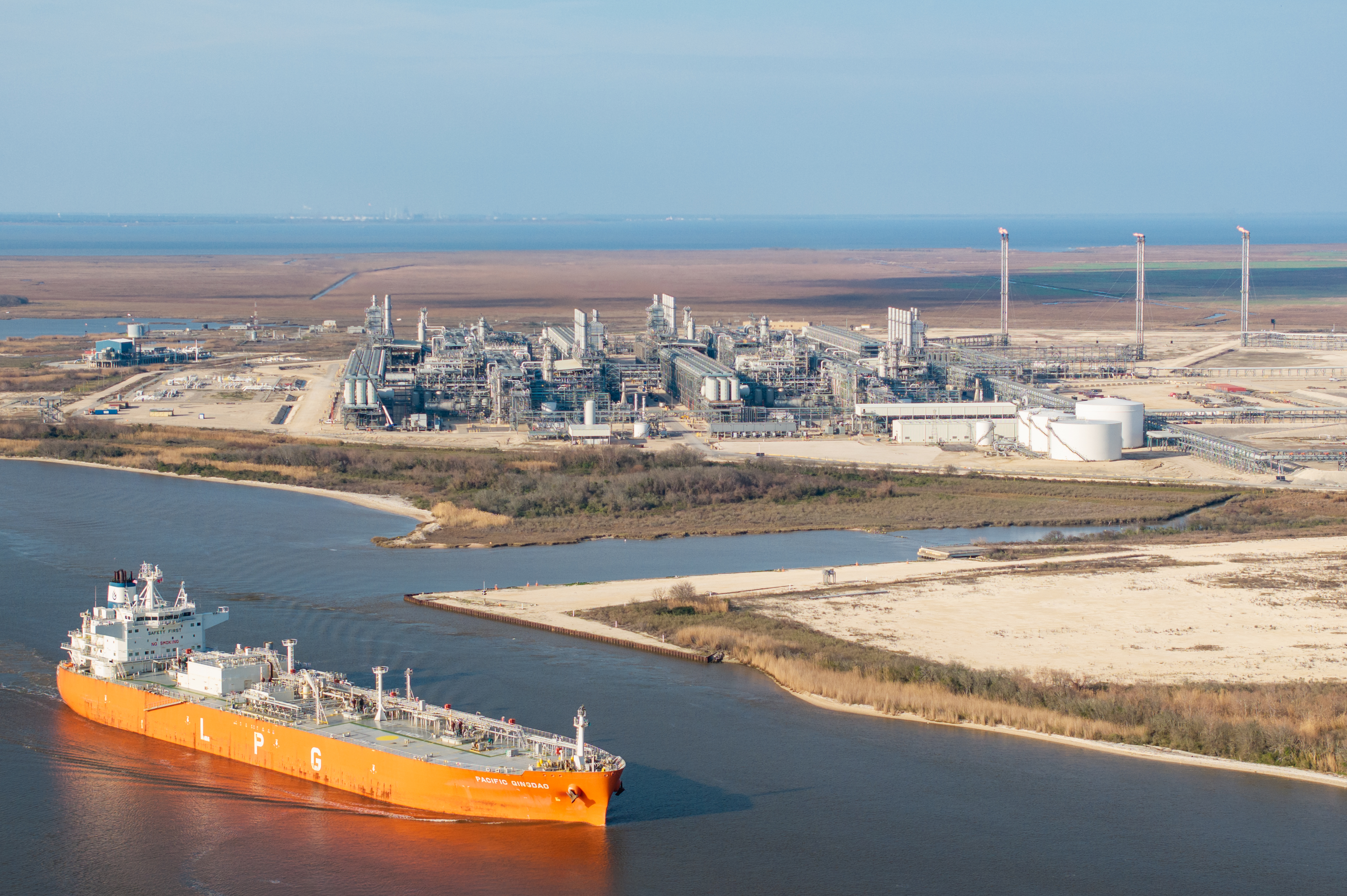
Ras Laffan, located on Qatar's northeastern coast about 80 kilometers north of Doha, is the nerve center of global gas markets. The industrial complex houses the Pearl GTL plant — the world's largest gas-to-liquids facility — along with the processing infrastructure that feeds Qatar's fleet of LNG tankers bound for Europe, Asia, and beyond. QatarEnergy confirmed that Iran's Wednesday missile attack damaged the Pearl GTL facility and that a follow-up barrage early Thursday caused fires and further destruction at at least two other LNG processing trains. Production at the site, which accounts for approximately 20 percent of global LNG exports, has been halted.
The attack came in direct retaliation for an Israeli airstrike on South Pars, the vast undersea gas field that Iran shares with Qatar and that forms the backbone of both countries' export economies. Iran's Islamic Revolutionary Guard Corps announced the strikes as a deliberate message to Gulf states hosting or supporting American military operations. Qatar is home to Al Udeid Air Base, the largest U.S. military installation in the Middle East, and has allowed American aircraft to operate from its territory throughout the conflict.
Qatar's response was swift and furious. The government ordered all Iranian security and military attachés to leave the country within 24 hours, a near-rupture in diplomatic relations that would have been unthinkable before the war. Foreign Minister Mohammed bin Abdulrahman Al Thani called the attacks "a flagrant violation of international law and a direct assault on global energy security." Emergency repair crews were deployed to Ras Laffan but engineers cautioned that damage to the LNG trains could take weeks or months to fully assess and repair.
President Trump responded to the attack with a stark warning posted on Truth Social: "If Iran, in its absolute stupidity, attacks Qatar's energy facilities again, the United States will massively blow up the entirety of the South Pars Gas Field at an amount of strength and power that Iran has never seen or witnessed before." Trump simultaneously stated he had no advance knowledge of the Israeli strike on South Pars that triggered Iran's retaliation — a claim directly contradicted by Axios reporting that Trump was briefed before the operation began.
The economic fallout spread rapidly around the globe. In the United States, the national average gasoline price climbed to $4.09 per gallon, according to AAA — the first time it has crossed $4 since 2022. Gas now averages above $5 per gallon in California, Hawaii, and Washington State. The Federal Reserve, which had been weighing interest rate cuts after months of easing inflation, now faces a sharply more complicated calculation as energy-driven price pressures collide with signs of economic slowdown. S&P 500 futures fell 1.8 percent in early trading.
Global buyers of Qatari gas — including major European economies that ramped up LNG imports after Russia invaded Ukraine in 2022 — scrambled to find alternative supplies. Germany's economy ministry activated its national gas emergency plan for the second time in three years. Japan and South Korea, both heavily dependent on Qatari LNG, dispatched energy officials to Qatar and the United States seeking assurances about supply continuity. The International Energy Agency said it was monitoring the situation and would convene an emergency meeting of member nations to discuss strategic reserve releases.