Qatar's LNG Complex Offline, 1,000 Tankers Trapped: How the Hormuz Blockade Is Dismantling Global Energy Supply Chains
With Ras Laffan halted by a drone attack, Ras Tanura hit by Iranian missiles, and Maersk suspending all Hormuz transits, Europe is drawing down gas reserves at emergency rates while fertilizer prices threaten to spike food inflation across the continent by summer.

The Strait of Hormuz blockade, now in its fifth week, has triggered a cascading energy supply chain crisis across Europe and Asia that is reshaping global LNG markets in ways analysts warn could take years to reverse. The immediate trigger was Iran's decision to halt commercial transits through the strait after the US-Israel bombing campaign began on February 28. But the downstream consequences — from shuttered fertilizer plants in Germany to suspended airline routes between Paris and Havana — underscore how deeply the world's energy systems remain tethered to one of geography's most critical chokepoints.
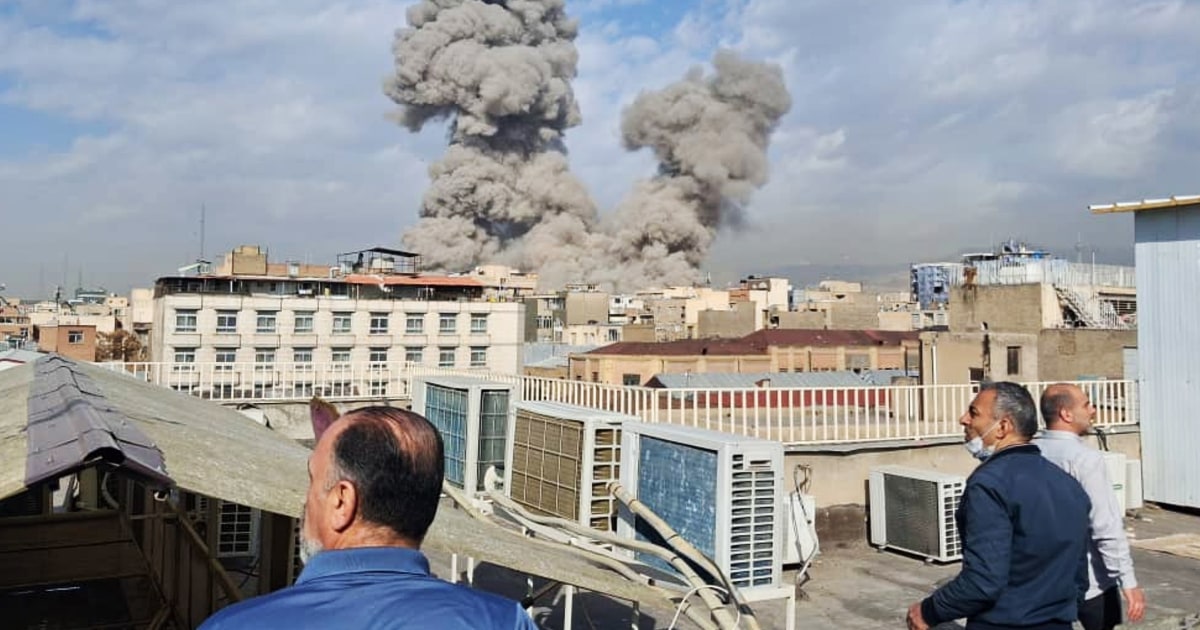
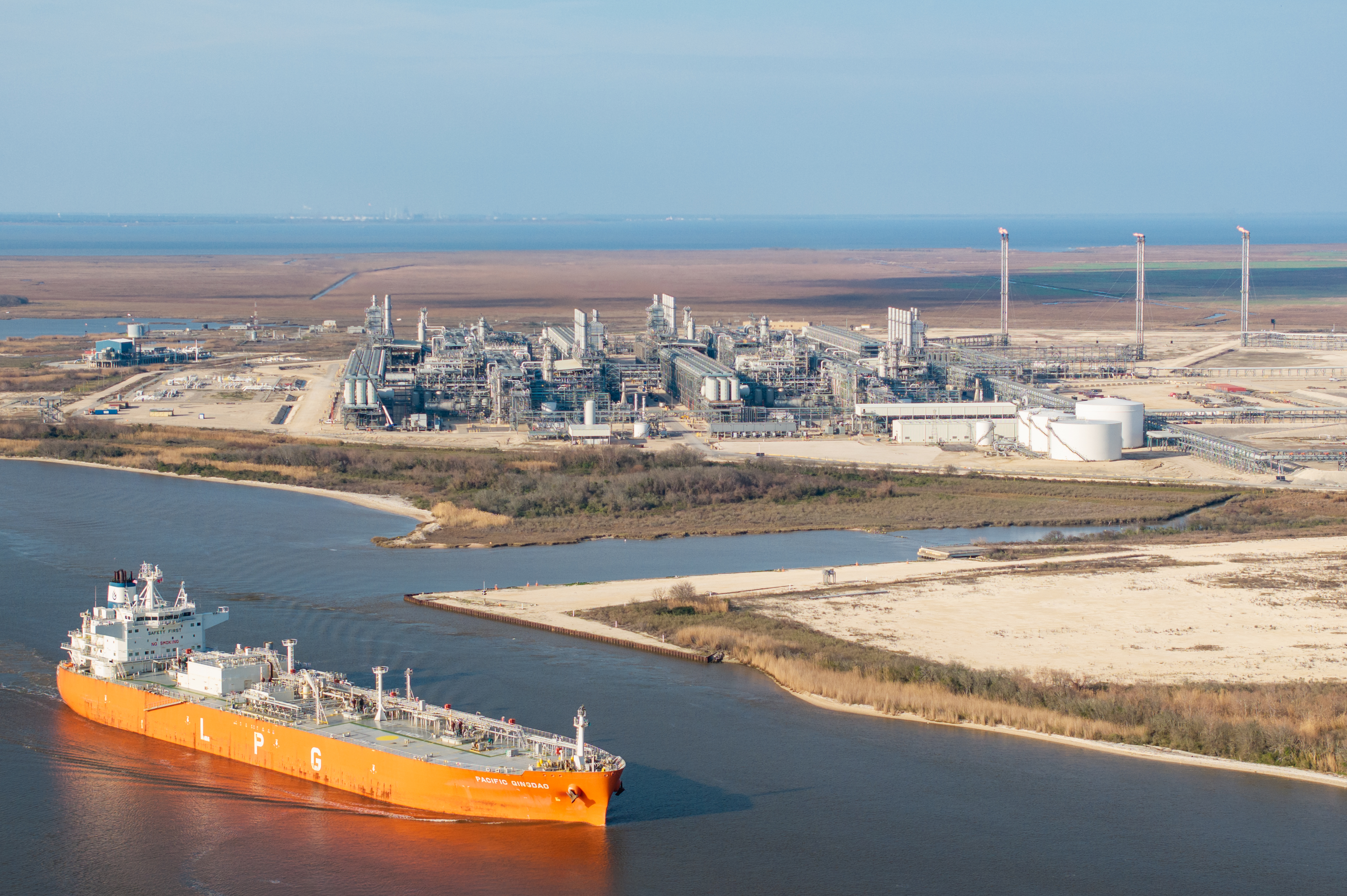
The most significant single event in the supply disruption was QatarEnergy's forced halt of LNG production at Ras Laffan, the world's largest LNG export complex, following a drone attack on the facility. Qatar supplies roughly 20 percent of globally traded liquefied natural gas; its Ras Laffan complex alone exports about 77 million tonnes per year, with European buyers accounting for a large share since the continent moved to replace Russian pipeline gas after Moscow's 2022 invasion of Ukraine. With Ras Laffan offline, European spot prices for natural gas have surged to levels not seen since the winter of 2022, and utilities across Germany, France, the Netherlands, and Belgium are drawing down reserves at an accelerated rate.
The shutdown of Saudi Aramco's Ras Tanura refinery — struck by Iranian missiles — has compounded the problem. Ras Tanura processes roughly 550,000 barrels per day and is a critical source of diesel and jet fuel for commercial aviation. Air France on March 29 announced the suspension of all flights between Paris and Havana through June 15, citing "critical jet fuel supply constraints at originating airports." Multiple Asian carriers have similarly suspended or scaled back long-haul routes. Aviation industry analysts estimate global jet fuel availability is running approximately 14 percent below normal demand, a gap that cannot be bridged by alternative suppliers in the near term.
On land, the fertilizer industry faces a crisis with potentially severe implications for the 2026 growing season in Europe and parts of Asia. Fertilizer production is heavily dependent on natural gas as both a feedstock and energy source; the 20 to 50 percent spike in fertilizer prices reported since the blockade began has already prompted several major agricultural cooperatives in Germany, Poland, and France to reduce planned planting areas for spring crops. Food security analysts at the UN Food and Agriculture Organization warned this week that any prolonged supply disruption could push food inflation to double digits across Europe by summer.
The scale of maritime disruption is without modern precedent. Shipping giant Maersk has suspended all vessel transits through the Strait of Hormuz. More than 1,000 commercial tankers are believed to be trapped in the Persian Gulf, unable to exit without Iranian assurance of safe passage. Marine insurance underwriters have either suspended coverage for Hormuz transits entirely or priced it at levels that make virtually all commercial voyages economically unviable. The daily volume of tanker transits through the strait has fallen 90 to 95 percent from pre-conflict levels.
Some relief has emerged through alternative supply routes. Saudi Aramco has been routing limited volumes through the East-West Pipeline to Yanbu on the Red Sea; Abu Dhabi has been exploring expanded capacity through the Habshan-Fujairah pipeline, which bypasses the strait entirely. But both pipelines operate well below the volumes needed to compensate for the strait's closure. The International Energy Agency has activated emergency strategic reserve releases from member nations, though officials acknowledged that those reserves were designed for disruptions lasting weeks, not the months this conflict may require.
On Monday, Australia's Queensland and New South Wales state governments announced free public transit for all residents through the end of April, an emergency measure to offset the diesel fuel price increases hitting commuters. Several cities in Southeast Asia have implemented fuel rationing for commercial vehicles. In Japan, the government convened an emergency energy security cabinet meeting and announced subsidies to prevent utility rate increases from being passed directly to consumers.
Trump administration officials have pointed to the developing diplomatic channel through Pakistan as evidence that a resolution is near. Iran has agreed in principle to allow ships under Pakistani flag to transit the strait at a rate of two per day — a token concession that is widely seen as a precursor to broader negotiations rather than a practical solution. The 1,000-plus tankers trapped in the Persian Gulf cannot be released two ships at a time.