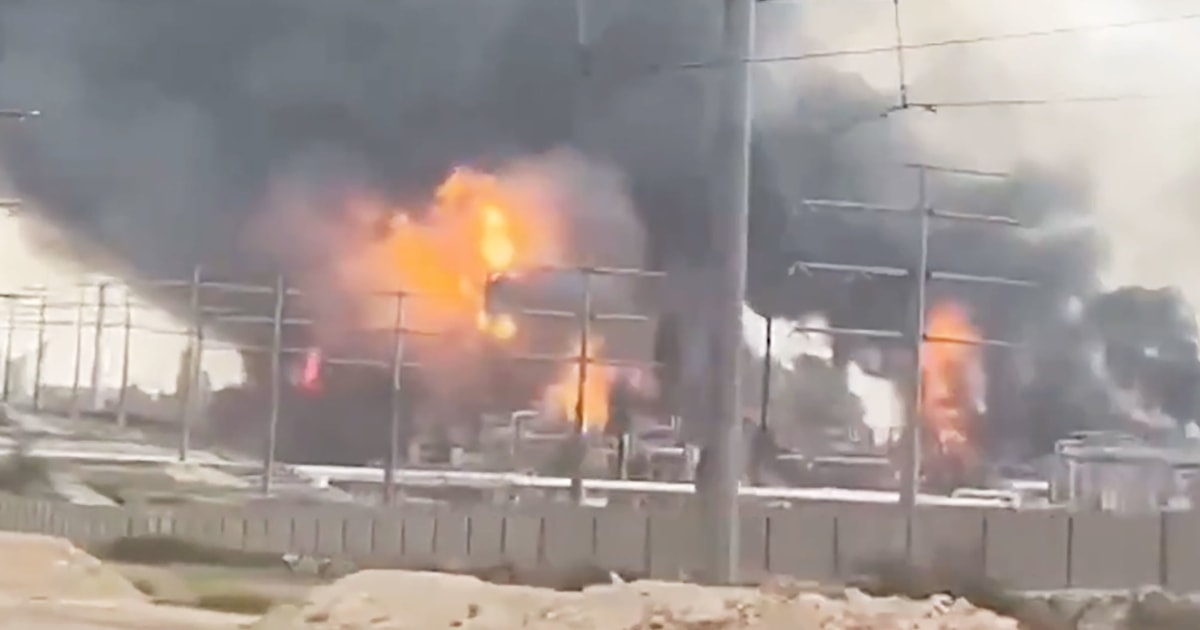
Iran War Sends Shock Waves Through Asia-Pacific as Energy Crisis Spreads
The Asia-Pacific region faces mounting economic disruption as the Iran conflict creates widespread energy bottlenecks and supply chain chaos.
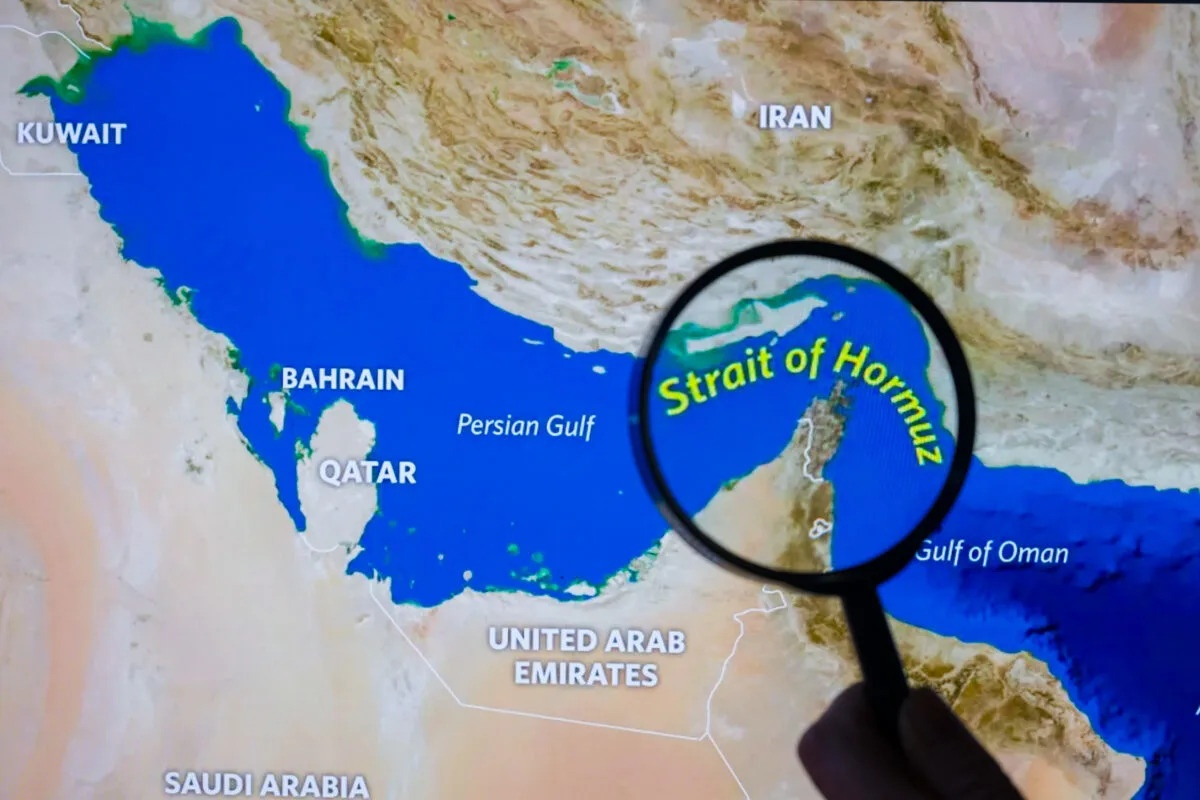
The ongoing U.S.-Iran military conflict has sent severe economic and strategic shockwaves across the Asia-Pacific region, as the prolonged closure of the Strait of Hormuz — the narrow waterway through which approximately 20 percent of the world's oil supply passes — forces governments and energy markets from Tokyo to Sydney into emergency responses not seen since the 1970s oil crises.
Japan, which imports roughly 90 percent of its crude oil and liquefied natural gas through Middle Eastern supply chains, moved first and most aggressively. Prime Minister Sanae Takaichi convened an emergency cabinet session on April 19, ordering the release of approximately 80 million barrels from Japan's strategic petroleum reserve — the largest drawdown in the reserve's history. The release is intended to sustain domestic refining capacity for approximately 60 days while diplomatic efforts continue, but energy economists in Tokyo warned Sunday that if the Strait closure extends beyond six weeks, Japan faces mandatory conservation orders for the first time since 1979.
South Korea declared a national energy emergency on April 18. The Korean Ministry of Trade, Industry and Energy announced that Korean Air, Asiana Airlines, and Jeju Air had been placed on fuel allocation protocols, requiring carriers to apply for government approval for any international flights exceeding four hours. The measure was triggered when South Korea's three largest refineries — SK Energy, S-Oil, and GS Caltex — reported their combined crude inventories had fallen below a 30-day supply threshold.
China has taken a more opaque approach. State media reported Sunday that CNOOC, Sinopec, and PetroChina had activated contingency supply agreements with Russian and Kazakhstani oil producers, rerouting crude deliveries through pipeline infrastructure that bypasses the Persian Gulf. However, those alternative supply chains can cover only an estimated 40 percent of the volumes China normally receives from Saudi Arabia, Iraq, and the UAE. The People's Bank of China on Friday issued guidance allowing state-owned enterprises to defer certain fuel cost payments to stabilize short-term cash flow.
Australia, a net energy exporter in coal and LNG but an importer of refined petroleum products, faces a different vulnerability. Australian fuel security legislation requires a minimum 28-day domestic supply of refined transport fuels, a threshold that Australia consistently breaches in peacetime due to its heavy reliance on imports from Singapore's refining complex. Singapore's refineries are themselves operating at reduced throughput as their crude supply from the Gulf has been disrupted. The Albanese government announced April 19 it was activating emergency fuel-sharing agreements with the United States and the United Kingdom.
The financial consequences are cascading. The Korean won and Japanese yen both weakened sharply against the dollar last week as energy import costs ballooned. Japan's trade deficit for April is projected to exceed ¥3.2 trillion — more than double the prior monthly record — according to estimates from the Japan Research Institute. South Korean inflation data released Friday showed headline consumer prices rising 5.1 percent year-over-year, driven almost entirely by energy costs.
Not all Asia-Pacific economies are equally exposed. Malaysia, Brunei, Australia, and Indonesia are net energy exporters who are benefiting from higher oil prices, with Malaysia's national oil company Petronas reporting record quarterly revenues. But regional economists at the Asian Development Bank warned Saturday that the secondary effects — rising shipping costs, tightening credit markets, and declining consumer confidence — were spreading rapidly even to commodity-exporting nations.
Defense postures are also shifting. Australia and Japan announced a joint naval exercise in the eastern Indian Ocean, which defense analysts said was at least partly designed to signal to Washington that both governments expected American protection of energy shipping lanes. The Philippines, whose economy is particularly vulnerable to fuel cost spikes, requested an emergency meeting of ASEAN foreign ministers for later this week.