Oil Prices Soar 80% in Biggest Single-Day Jump Since 2020 as Iran War Drives Energy Crisis
U.S. oil experienced its largest one-day price increase in six years while gasoline costs hit $4.08 per gallon nationwide amid supply disruptions.
Oil markets experienced their most dramatic single-day surge in six years as the escalating Iran conflict sent crude prices soaring by more than 80%, triggering widespread concerns about energy security and global economic stability. The massive price spike represents the largest one-day increase in oil prices since the early days of the COVID-19 pandemic, when global energy markets experienced unprecedented volatility. The Iran war has effectively disrupted critical supply routes and created uncertainty about future oil availability from one of the world's major energy-producing regions.
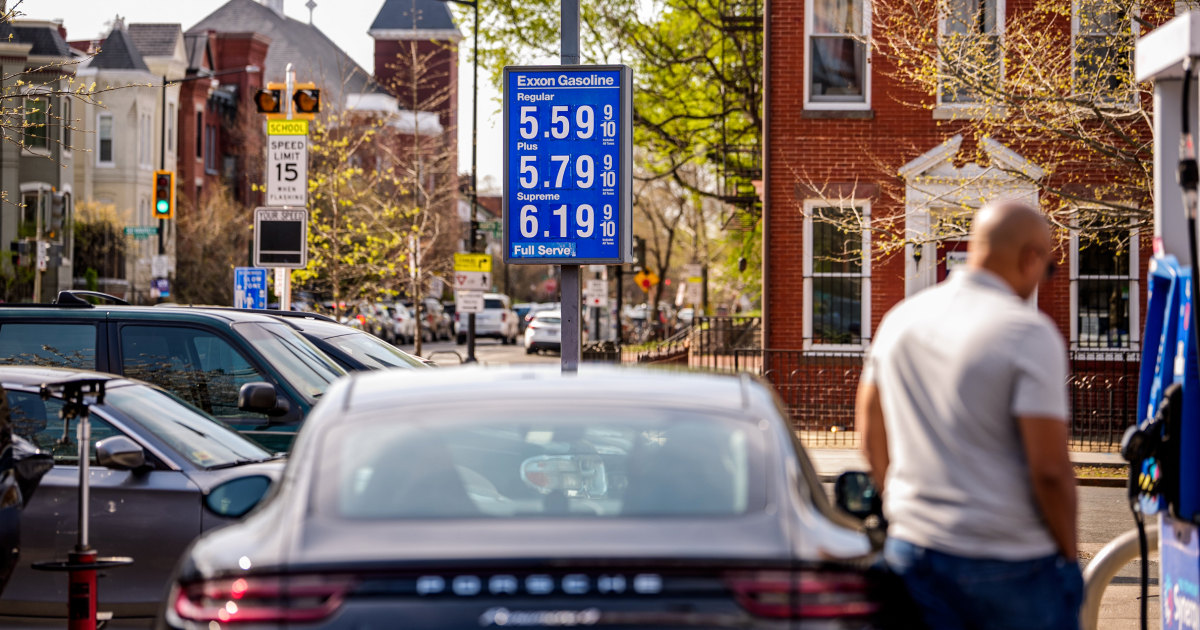
The dramatic oil price surge immediately translated into higher costs for American consumers at gasoline stations across the country. The national average price for unleaded gasoline jumped to $4.08 per gallon, while diesel fuel reached $5.51 per gallon, representing substantial increases that will impact transportation costs throughout the economy. These price spikes affect not only individual drivers but also trucking companies, airlines, and any businesses that rely heavily on fuel for their operations.
Stock markets reacted with sharp volatility to the energy crisis, as investors attempted to process the implications of sustained high oil prices for corporate profits and economic growth. The uncertainty surrounding the duration and intensity of the Iran conflict has created additional market instability, with energy companies seeing significant gains while transportation and other fuel-dependent industries faced pressure. The market response reflects broader concerns about how prolonged energy price increases might affect consumer spending and business investment decisions.
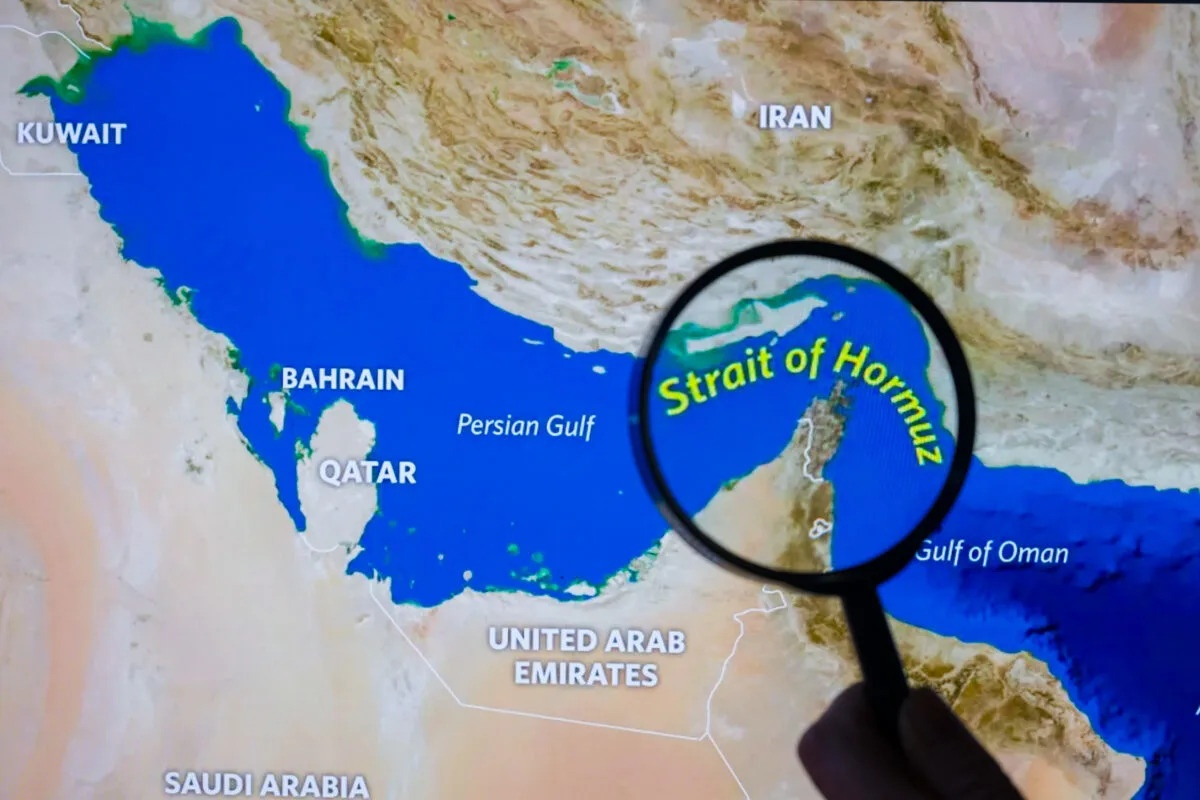
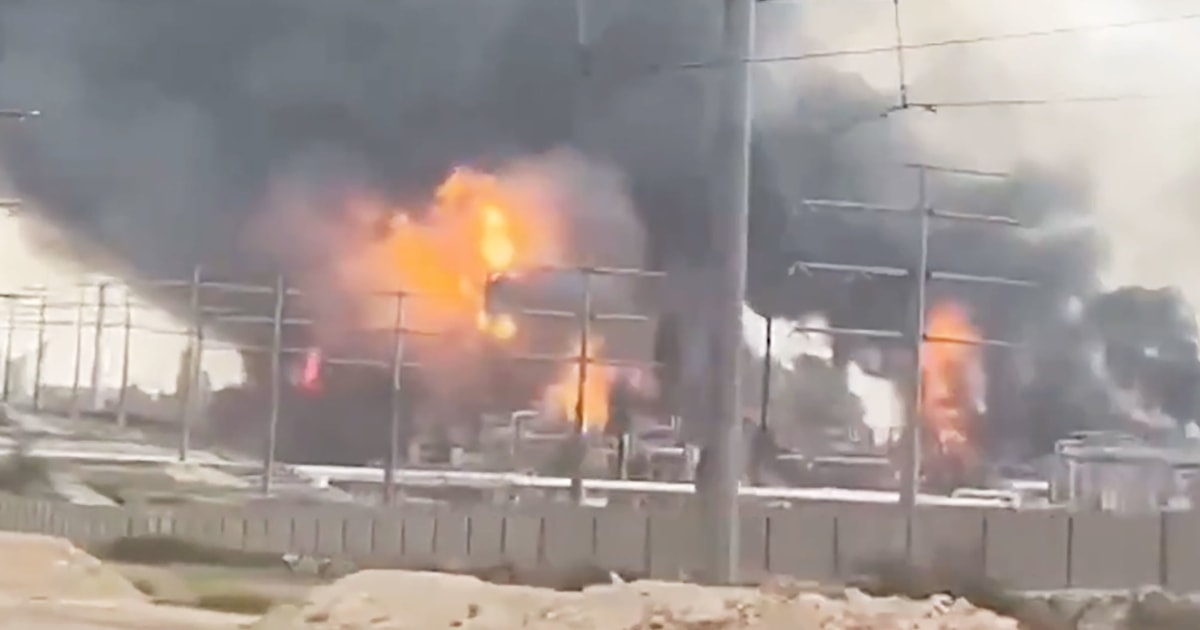
The oil price surge stems from supply disruptions related to the Iran conflict, which has affected shipping routes and energy infrastructure in one of the world's most critical oil-producing regions. The Persian Gulf region's importance to global energy supplies means that any disruption in the area has immediate and dramatic effects on international oil markets. The current crisis has highlighted the vulnerability of global energy supplies to geopolitical conflicts in strategic regions.
Energy analysts warn that sustained high oil prices could have cascading effects throughout the global economy, potentially triggering inflation and slowing economic growth in energy-importing nations. The dramatic price increases also raise questions about energy security and the need for diversified supply sources to reduce dependence on volatile regions. Governments and businesses worldwide are now reassessing their energy strategies in light of the demonstrated vulnerability of global oil markets to geopolitical disruptions in key producing areas.