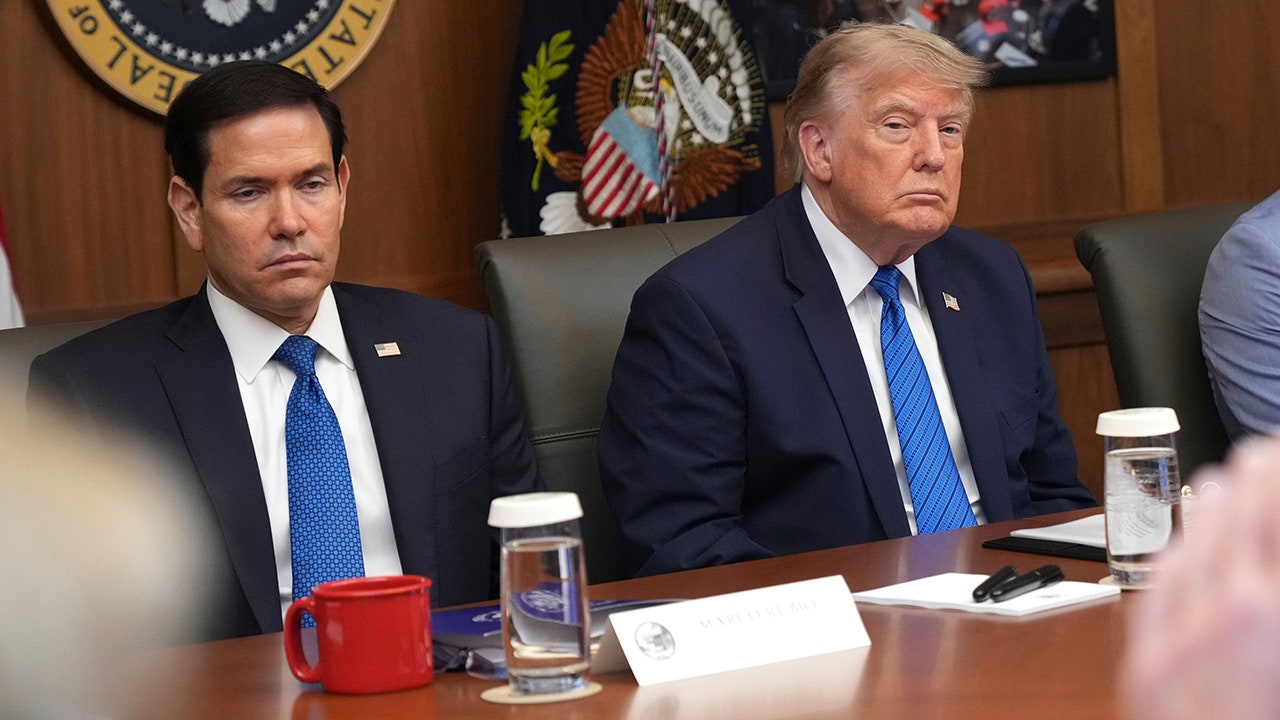
Trump Says Iran War Decision Is Coming 'Soon' as Advisers Split on Resuming Strikes
After his first national security meeting since Democrats won Congress, the president is weighing renewed strikes, continued economic pressure or a deal. Tehran says Hormuz stays shut until its seven demands are met.
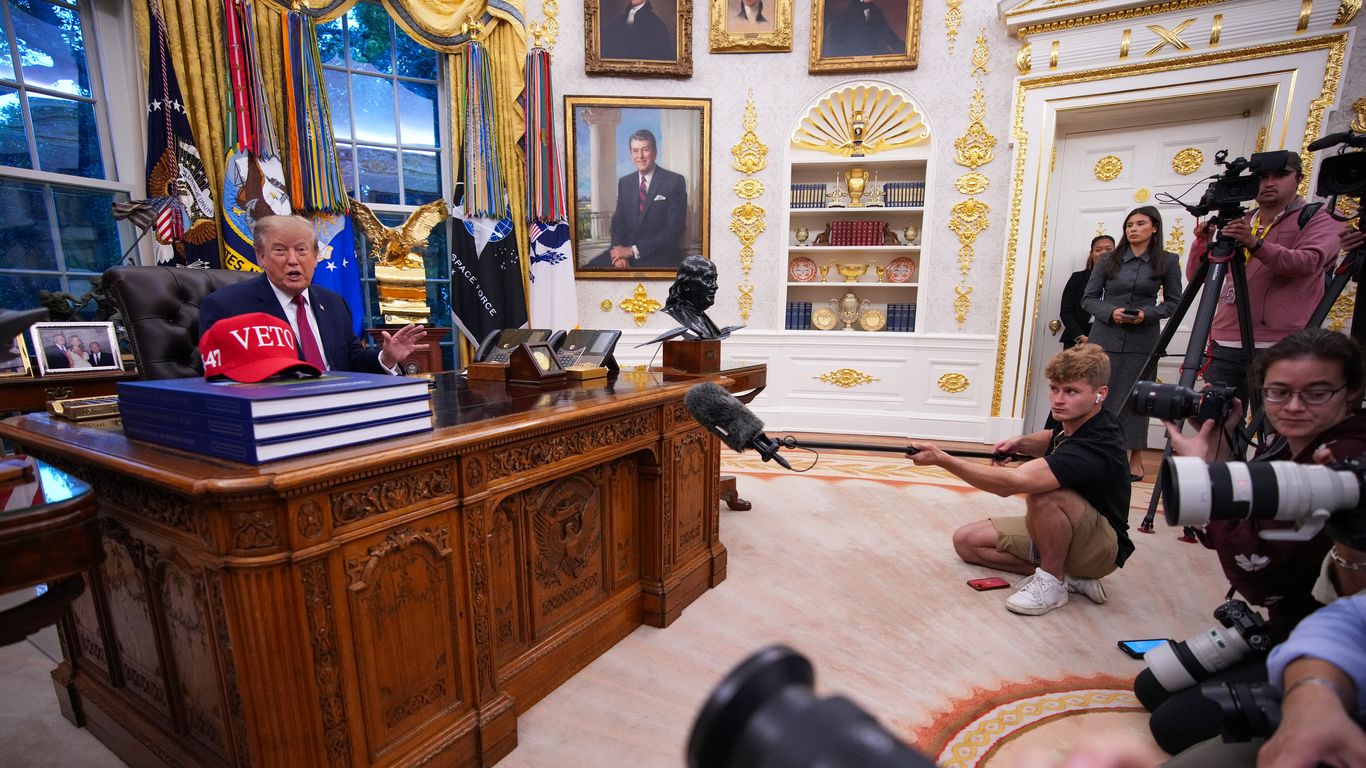
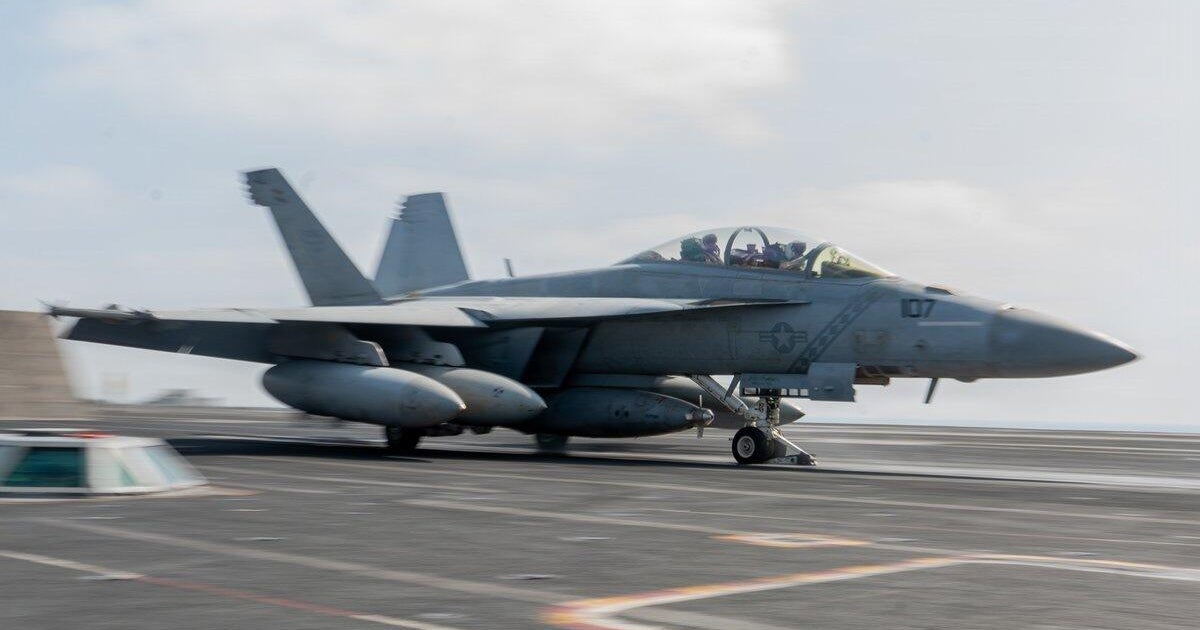
President Donald Trump said Thursday that he will soon decide whether to resume full-scale war with Iran, after meeting his top national security advisers for the first time since Democrats swept the midterm elections. No decision had been announced in reports published through Friday.
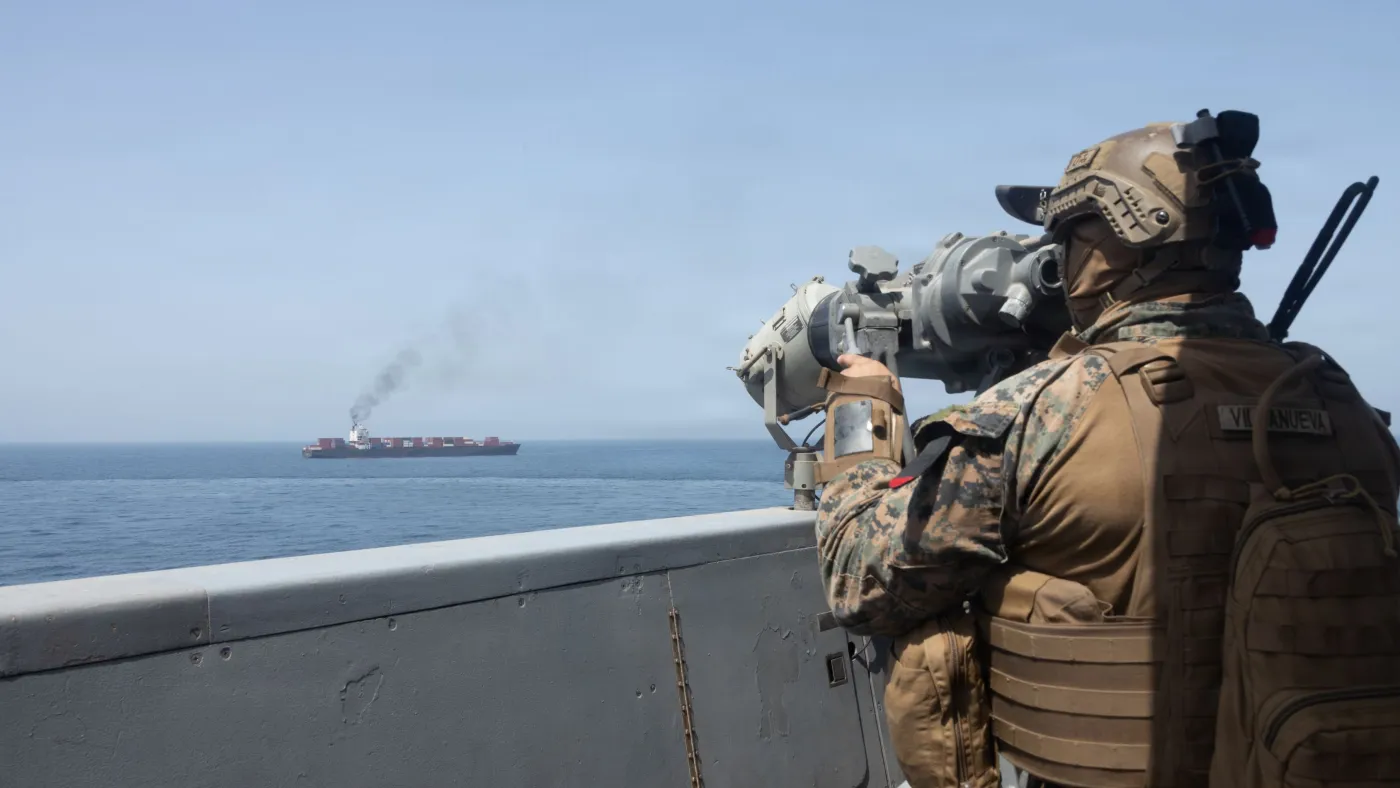
Axios reported that Trump is weighing three options: launching further strikes, maintaining the economic pressure campaign, or reaching an agreement that would involve major concessions to Tehran. The outlet also reported a split among his advisers. CIA Director John Ratcliffe, Treasury Secretary Scott Bessent and others want Trump to give the naval blockade and economic pressure more time to work before ordering a return to bombing. An Axios analysis said the president has mostly bad options and no tidy way to "finish the job."
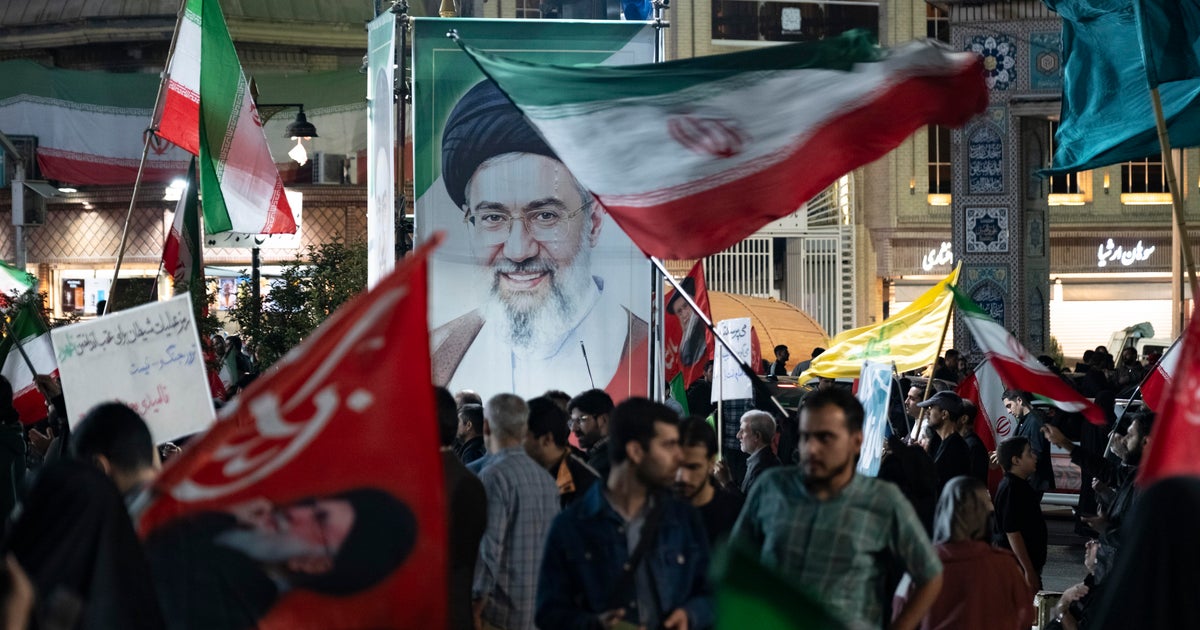
The decision comes as the political ground has shifted under the White House. Trump acknowledged to Fox News that the war played a part in Tuesday's losses, saying, "I think a part of it was Iran." A Fox News survey found 74% of respondents called the war a crucial or major factor in their congressional vote. Voters have also been angry about living costs and tariffs, and the conflict has pushed U.S. gasoline above $4 a gallon. Iran's parliament speaker, Mohammad Bagher Ghalibaf, said Americans "said NO TO WAR."
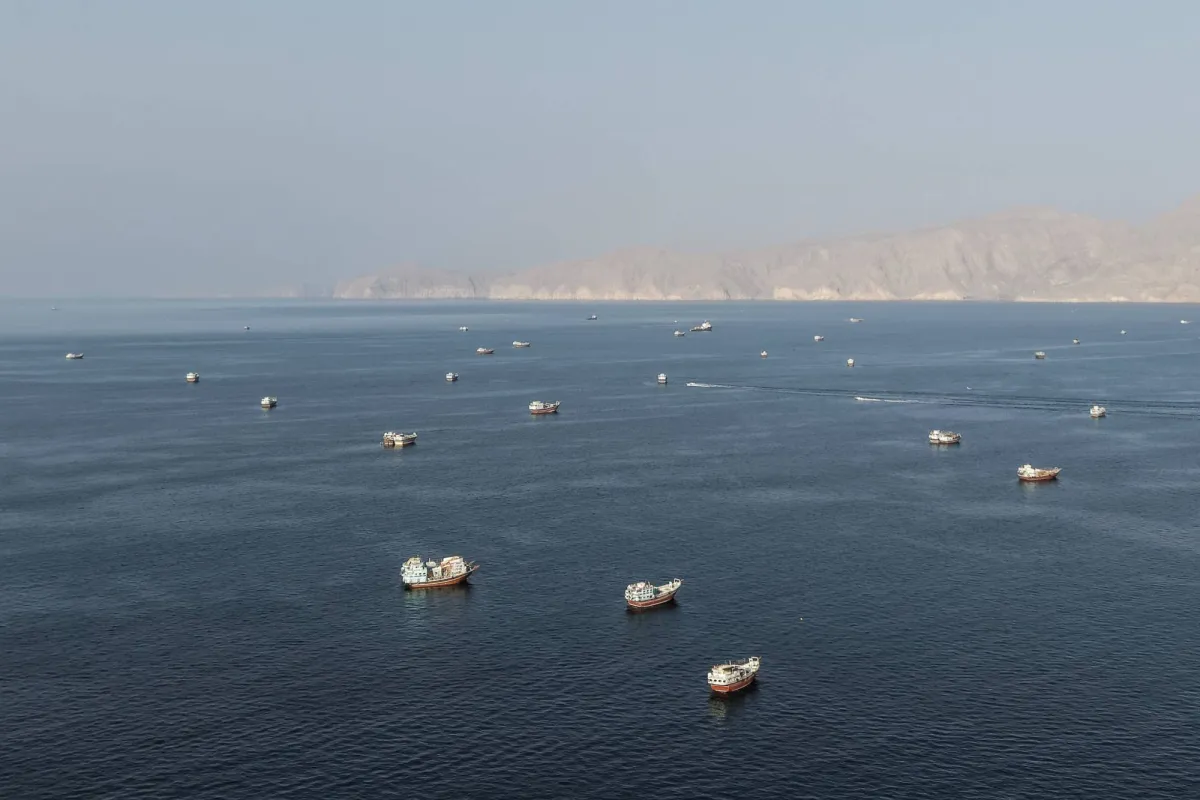
On the diplomatic track, Iran sent Washington a new nuclear proposal through Qatar, Reuters reported, citing a senior Iranian official. The official said any discussion of its contents depends on the United States first meeting Iran's seven demands, which Iranian officials have described as including an end to the U.S. naval blockade, the release of frozen assets and a halt to hostilities on all fronts. Mohsen Rezaei, secretary of Iran's Supreme National Security Council, said the Strait of Hormuz would remain closed and talks would not begin until those conditions are met. Washington is reviewing the proposal, and Trump spoke by phone with the Qatari emir.
Mediators from Qatar, Pakistan and Oman have been passing drafts between the two sides. One reported sequence would have the United States lift its blockade and release some frozen funds while Iran invites International Atomic Energy Agency inspectors to damaged nuclear sites, with the strait reopening on the second day and talks on Iran's enriched-uranium stockpile to follow. Qatar has said a ceasefire and the reopening of Hormuz are essential before formal negotiations can restart.
The stakes reach beyond the battlefield. Brent crude closed Thursday at $98.29 a barrel, and Bank of England Governor Andrew Bailey said his bank's rate decisions depend largely on the Iran war and its effect on oil prices and inflation. Newly elected Democrats, including Senate leader-to-be Chuck Schumer, have said ending the war is a priority when they take over Congress in January, though they will have limited tools to force the issue before then.