Iran's Oil Minister Resigns as Rial Falls to Record Low in Seven-Month War
Mohsen Paknejad quit Sunday, with Hamid Bovard stepping in as acting minister, as the U.S. squeeze on Iranian oil sales deepens the country's economic crisis.
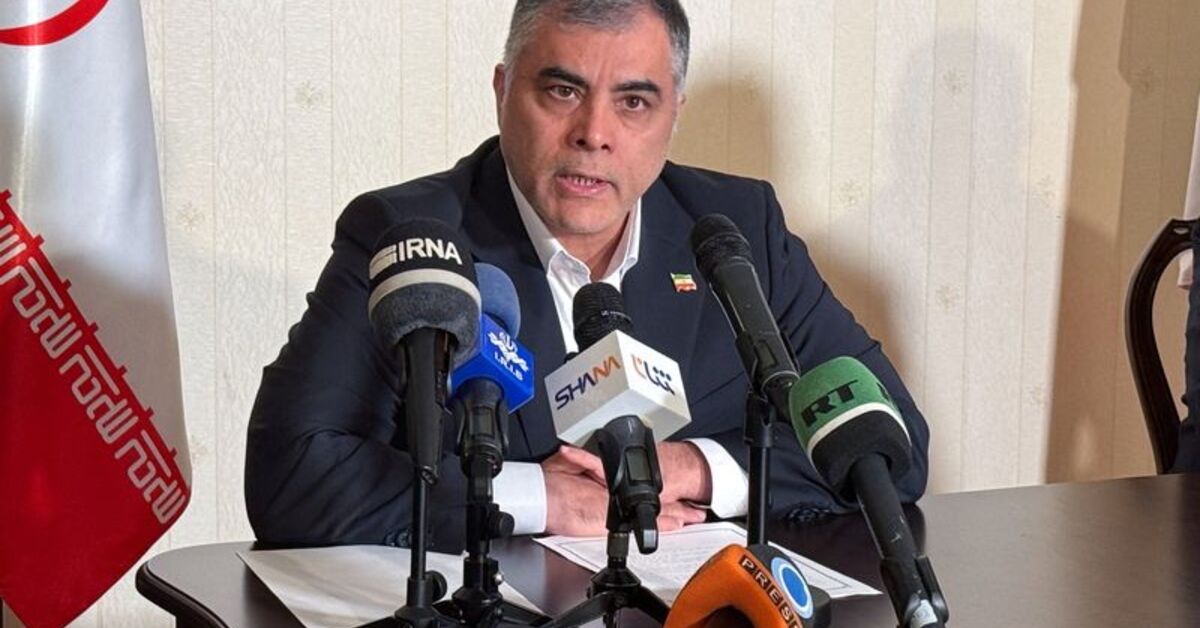
Iran's oil minister, Mohsen Paknejad, resigned on Sunday, state media reported, as the seven-month war between Iran and the United States strains the country's economy and the Iranian currency slid to another record low.
Hamid Bovard, chief executive of the state-owned National Iranian Oil Company, was named acting oil minister. Paknejad has led the ministry of the OPEC member since August 2024. He appointed Bovard, a career oilfield operations manager, to run the national oil company that same month.
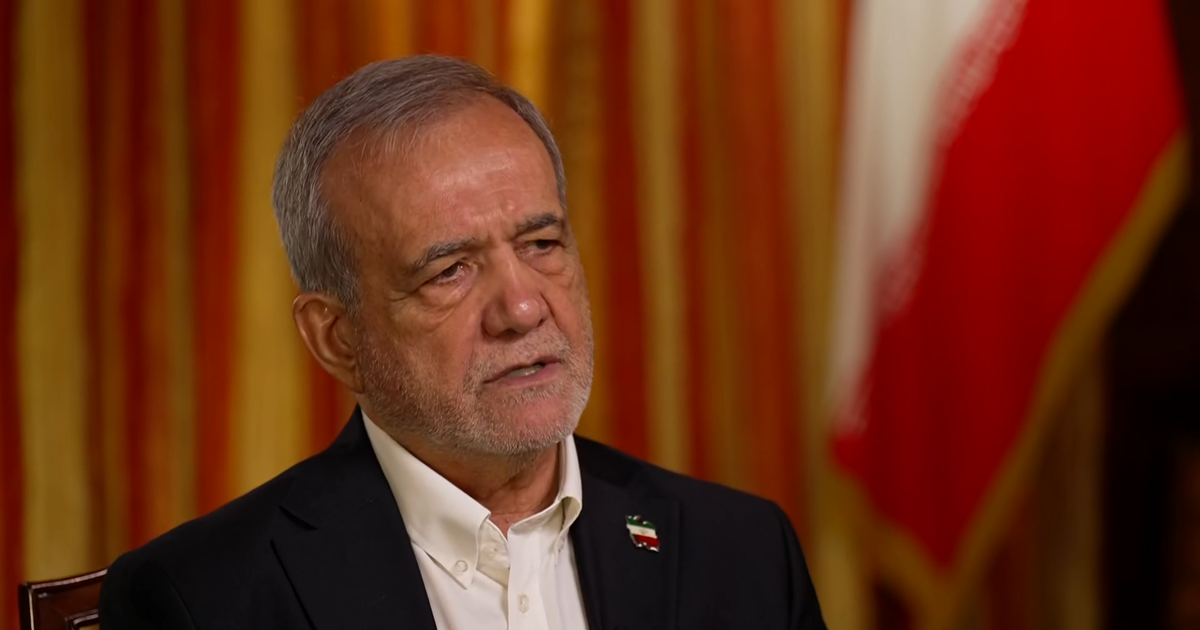
Mehdi Tabatabaei, communications deputy in President Masoud Pezeshkian's office, told state TV that Paknejad had resigned for personal reasons "a long time ago" and that Pezeshkian accepted the resignation at Paknejad's insistence. "With acceptance of Mohsen Paknejad's resignation by Dr. Pezeshkian, Hamid Bovard has been appointed as acting oil minister," Tabatabaei said. Before the news broke, state media had quoted Paknejad saying "revenues of the oil that we have sold are still coming and that will continue God willing."
The timing is hard to ignore. Fox News reported that the rial traded at about 2.688 million to the dollar on Saturday, weaker than 2.632 million on Friday, and that the central bank was injecting up to $2 billion to support the currency. Inflation is running above 70% by that report, and some Iranian outlets put the September figure far higher. The U.S. has pursued a campaign to restrict Iran's oil exports and financial flows, and Tehran has been under pressure on fuel supply and government revenues.
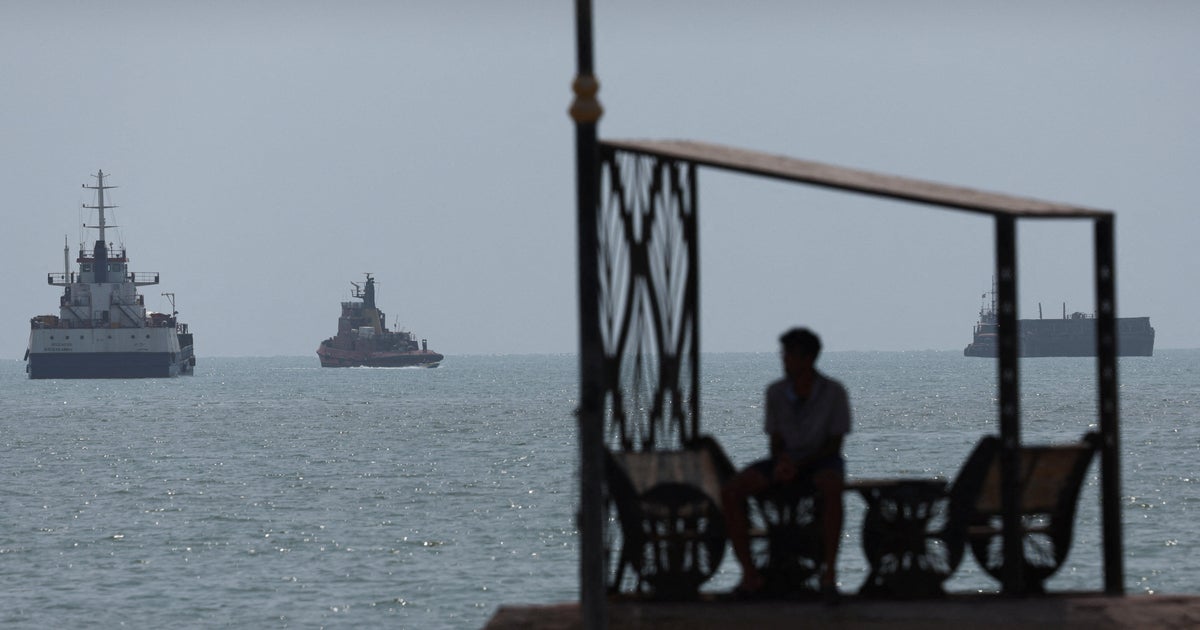
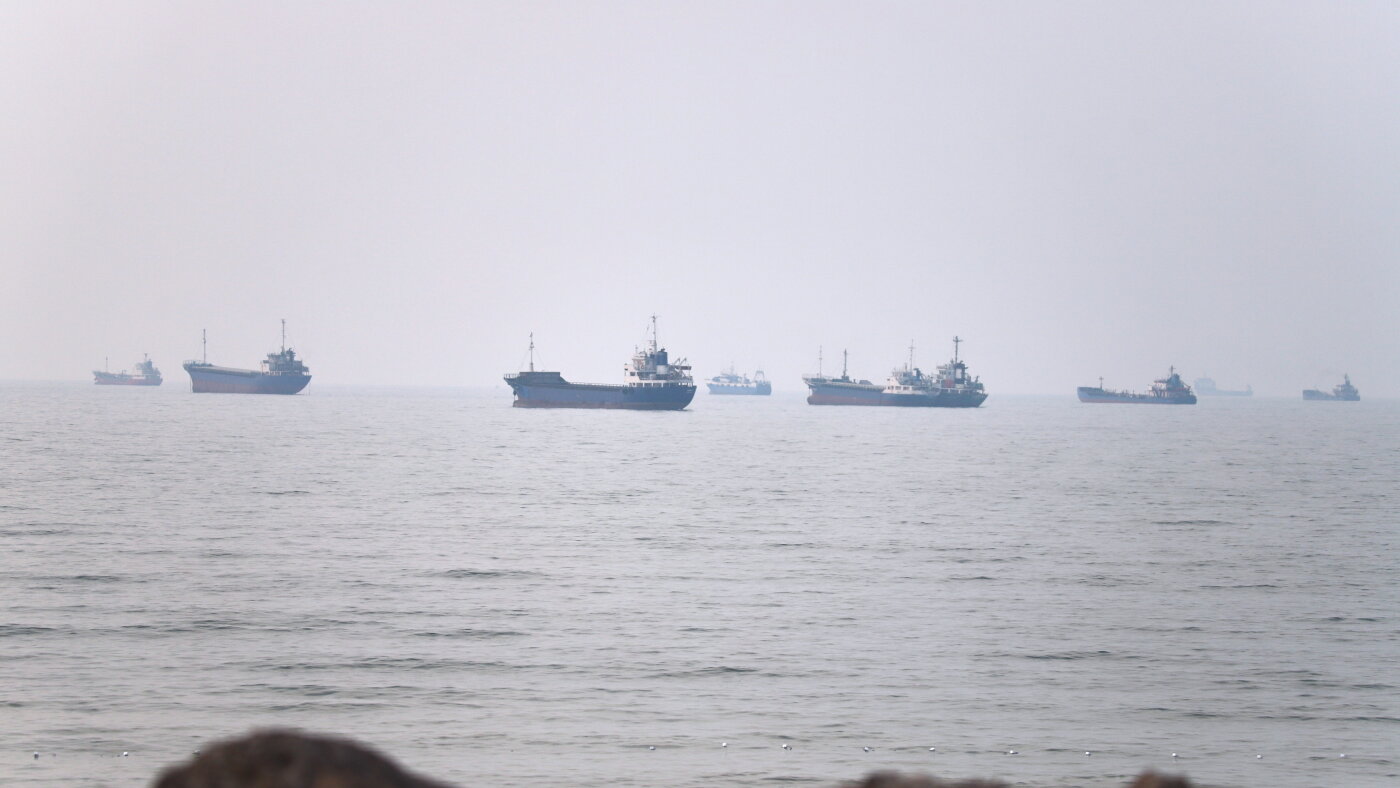
The economic strain is colliding with a diplomatic standoff. Iran's parliament speaker, Mohammad Baqer Qalibaf, said the Strait of Hormuz will remain closed until seven Iranian conditions are met, saying the era of "dictating one-sided demands is over." Iran's Foreign Ministry rejected the latest U.S. counterproposal, insisting talks focus on reopening the strait instead of the denuclearization demands from Washington. Foreign Minister Abbas Araghchi, meanwhile, denied reports that Iran's U.N. delegation had been forced out of the United States, saying the diplomats left as scheduled after the General Assembly. Brent crude was trading at about $103 a barrel on Sunday, as a commercial tanker reportedly was hit by an unknown projectile near the strait.
Iran's military has warned it will extend its missile range, and Araghchi said that if Washington moves toward military options, "we are more prepared than before." President Trump has said the war ends after the midterms, and his advisers met at Camp David on Iran over the weekend.
It is not clear whether Paknejad's exit signals a shift in oil policy. The ministry has not said whether Bovard's appointment is permanent. But losing the minister who oversaw crude sales, at the moment those sales are the central target of U.S. pressure, adds to the sense of an economy under strain. For ordinary Iranians, the numbers that matter are the ones at the market: a currency that buys less each week and prices that keep climbing.