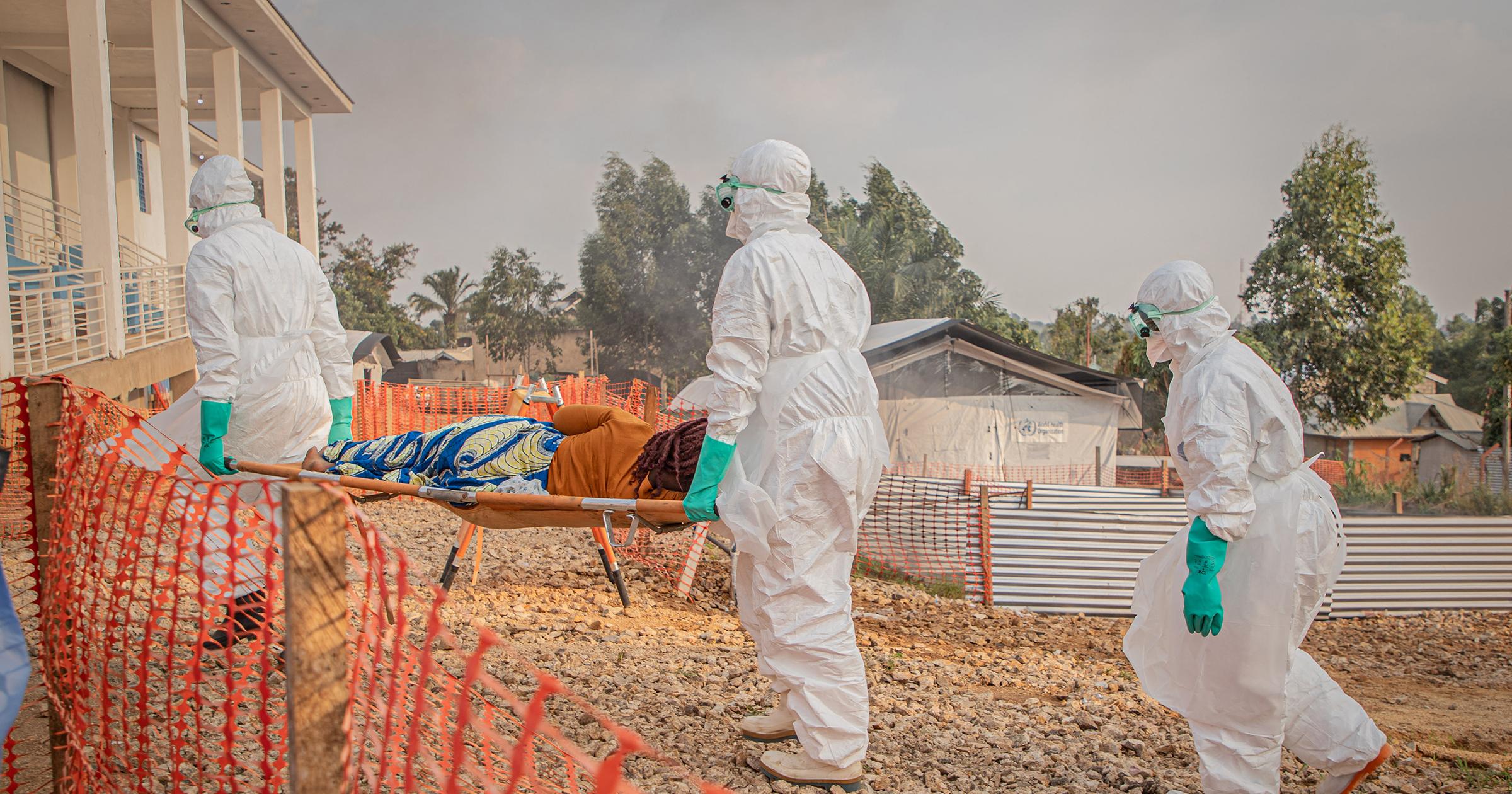
Congo's Ebola Deaths Passed 3,000. Only One in Five New Cases Comes From a Known Contact
Health ministry figures put the toll at 3,007 out of 6,186 confirmed cases across six provinces. Africa CDC believes the real outbreak may be three times larger than what has been counted.

The Ebola outbreak in the Democratic Republic of Congo has now killed more than 3,000 people, according to health ministry figures released Wednesday, and the epidemiology underneath that number is worse than the number itself.
The ministry counted 3,007 deaths out of 6,186 confirmed cases since the outbreak was declared a global health emergency in mid-May. The virus has spread across six provinces in the country's northeast. It is caused by the Bundibugyo species of Ebola, for which there is no approved treatment, and it has already become the largest and deadliest outbreak in Congo's history, passing the 2018-2020 epidemic in the same region. It is now second only to the 2014-2016 West African outbreak, which infected more than 28,600 people and killed over 11,000 across Guinea, Liberia and Sierra Leone. The World Health Organization has warned that this one is on track to exceed it.
The figure that explains the trajectory is contact tracing. According to the U.S. Centers for Disease Control and Prevention, only 15 to 20 percent of newly confirmed cases can be traced back to a known contact. The other four in five appear from outside any chain investigators are watching, which means the outbreak is being detected rather than tracked. The Africa Centers for Disease Control and Prevention estimates the true size of the epidemic may be roughly three times the official case count.
The reasons are not medical. The affected provinces sit inside an active conflict zone, and health workers have been attacked. Mining communities move constantly across provincial borders, carrying transmission chains with them. Clinics are short of beds, protective equipment and staff, and health workers in several districts have gone on strike over unpaid wages during the response. Schools reopened during the surge. Residents describe a shrinking daily life: drivers limiting how many passengers they will carry, families avoiding funerals and markets.
Congo has begun distributing the Ervebo vaccine to frontline health workers in Kisangani. Ervebo was developed against the Zaire species of Ebola, not Bundibugyo, and its protection against this variant is a matter of ongoing study rather than settled fact. Researchers are watching for cross-immunity while the vaccination campaign proceeds on the assumption that partial protection for exposed health workers is better than none.
Africa's public health leadership warned in August, when the toll stood at 1,707 after 12 weeks, that contact tracing was not working. The toll has nearly doubled since. The response is now competing for money and personnel with a separate Marburg outbreak that surfaced in Uganda in July, and with a global aid environment in which the World Food Programme is halving assistance elsewhere for lack of funds.