Congo's Ebola Outbreak Kills More Than 600 and Spills Into New Provinces
Health officials call it the fastest-growing Ebola epidemic Africa has recorded, driven by a rare viral strain with no approved vaccine or cure.

The Ebola outbreak sweeping the Democratic Republic of the Congo has killed more than 600 people and is now bleeding beyond its epicenter into new provinces, health officials warned, in what the Africa Centres for Disease Control calls the fastest-growing Ebola epidemic the continent has ever recorded.
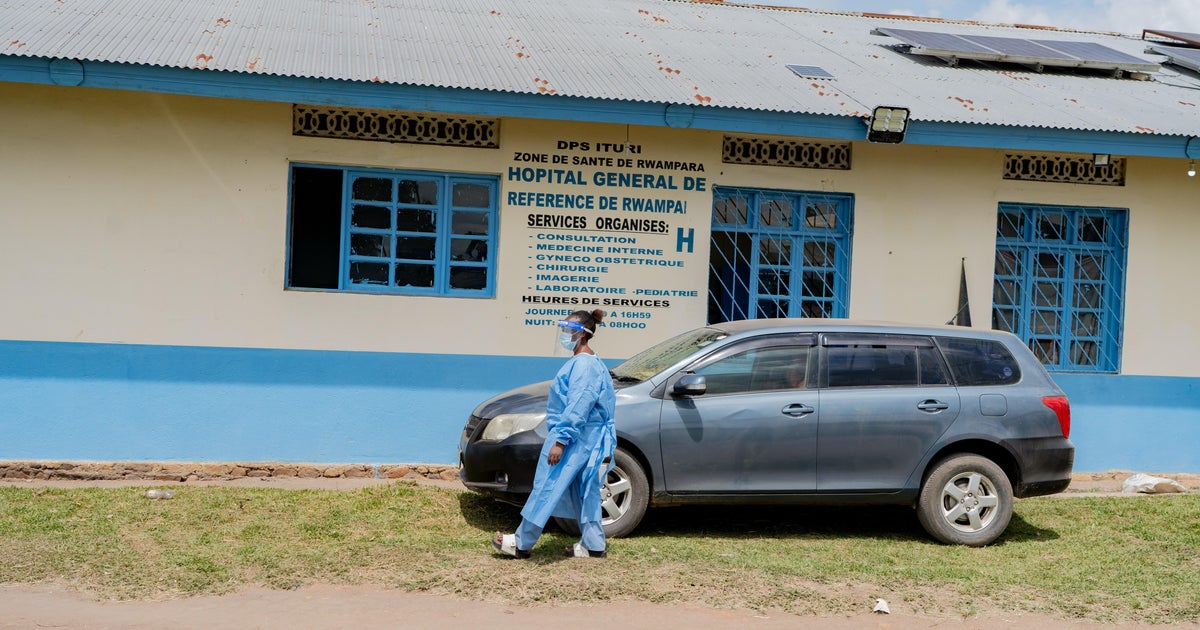
As of July 9, Congolese authorities had logged 1,792 confirmed cases and at least 625 related deaths, according to figures cited by international health agencies. The World Health Organization said the outbreak remains in a 'very active' phase and has not yet peaked — an ominous assessment months after the virus first surfaced in the northeastern province of Ituri.
What has alarmed responders most is the spread. Suspected cases have now been detected in Tshopo and Haut-Uele provinces, well beyond the original hot zone. Two cases turned up in Kisangani, a river city of more than a million people in neighboring Tshopo, one of them with links back to Ituri — the kind of urban jump that can accelerate an outbreak and complicate the painstaking work of tracing contacts.
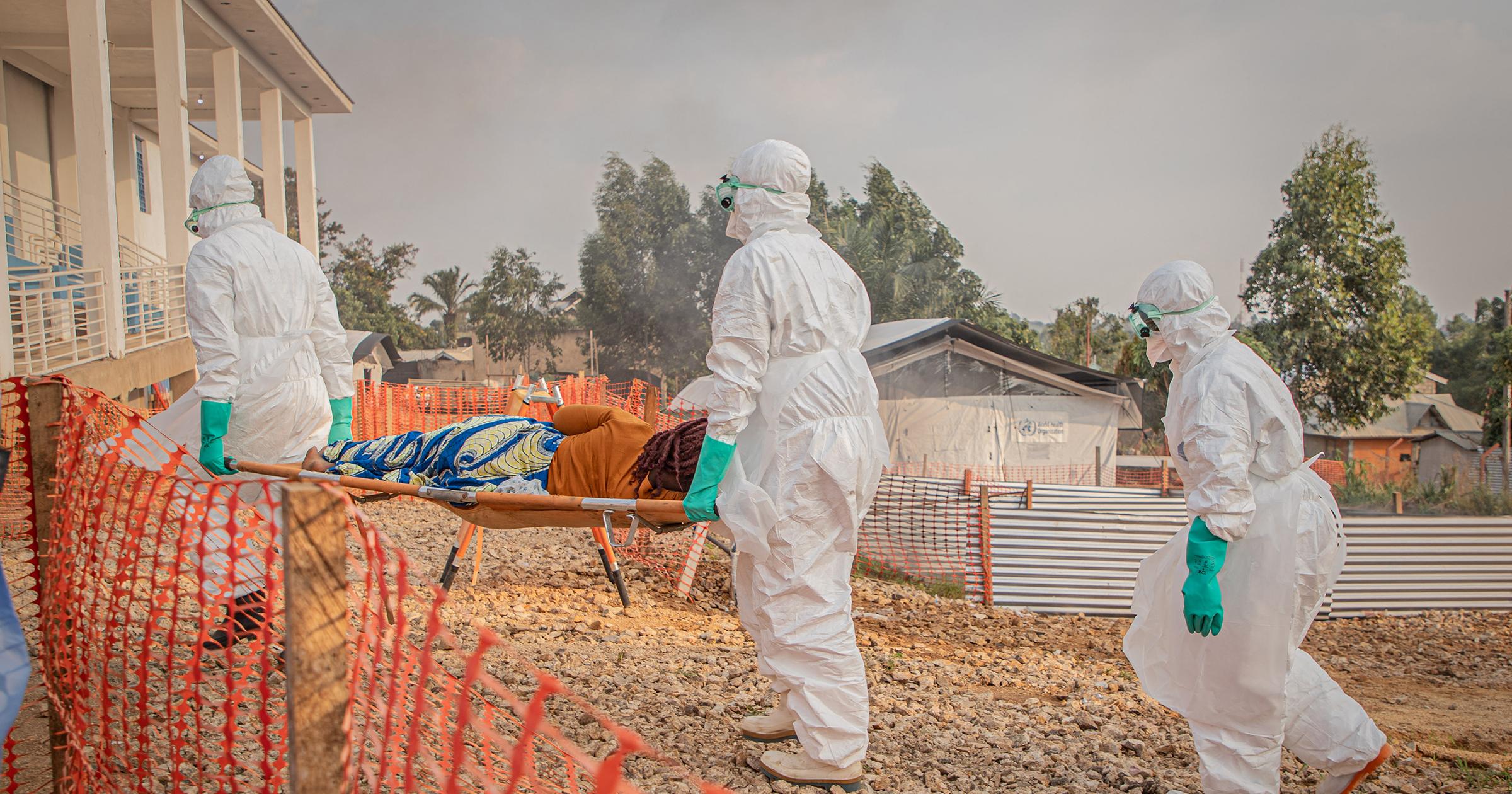
This epidemic is caused by the Bundibugyo virus, a rarer member of the Ebola family for which there is no approved vaccine or treatment — a crucial and dangerous difference from the more common Zaire strain, against which licensed vaccines exist. That gap has forced doctors to fall back on isolation, supportive care and contact tracing while the virus outpaces them.
There is a thread of hope. On July 2, researchers launched a clinical trial evaluating the monoclonal antibody MBP134 and the antiviral remdesivir — alone and in combination — against the Bundibugyo strain. If the therapies prove effective, they could give clinicians their first real tools to save patients and blunt the outbreak's staggering fatality rate.
For now, the numbers keep climbing. Aid groups including Doctors Without Borders have poured personnel into a region already strained by conflict and weak health infrastructure, racing to build treatment centers and win the trust of frightened communities. Ebola spreads through contact with the bodily fluids of the infected, and every new province it reaches widens the front line in a fight the WHO says is far from over.