Israeli Strike Kills a School Principal and Three Others in South Lebanon, Testing a Fragile Truce
Esperanza Ghandour was returning from checking repairs on her war-damaged home in Nabatieh when a drone struck her vehicle, in one of the deadliest attacks since the ceasefire took hold.

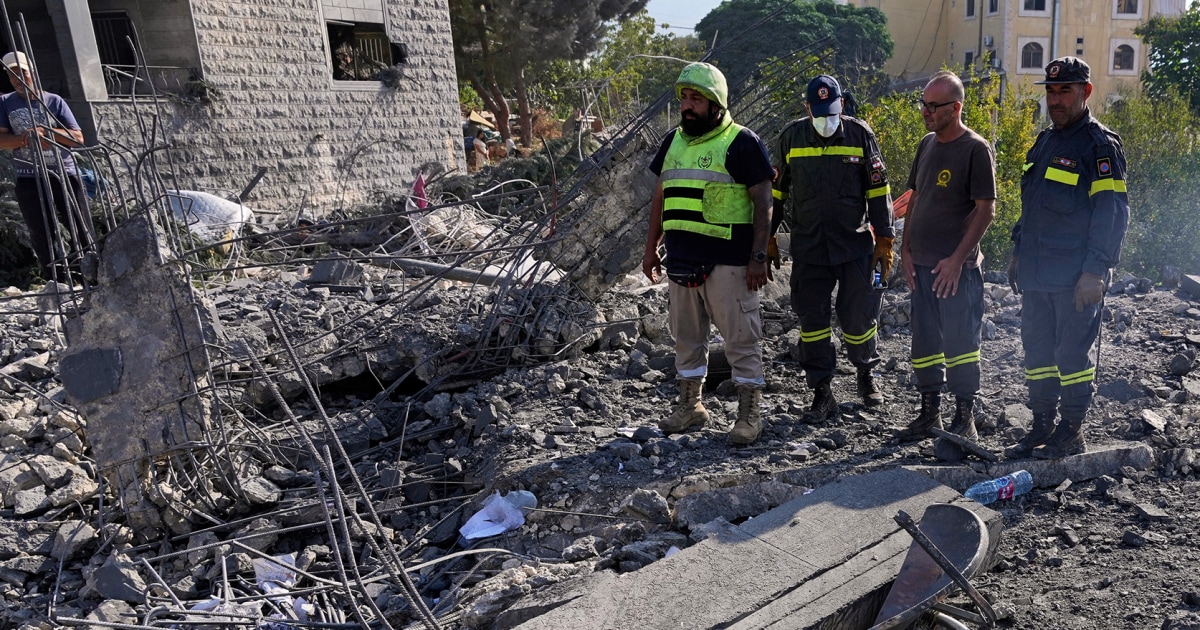
An Israeli drone strike on a vehicle in southern Lebanon killed four people, including a school principal, on Monday, one of the deadliest attacks in weeks and a stark test of a ceasefire that was meant to end more than a year of cross-border war.
The Lebanese Health Ministry identified the victims as school principal Esperanza Ghandour, her mother, a female domestic worker and a male foreign laborer. Ghandour had traveled to Nabatieh to check on repairs at her home, which had been damaged in earlier fighting, and was on her way back when the strike hit her car. The attack occurred in an area that residents had come to regard as safe, shattering what little sense of security had returned under the truce.
The Israeli military said it had struck a vehicle carrying four people who it claimed were approaching what it called a "security zone" in southern Lebanon and posing a threat to Israeli forces. It did not offer evidence linking those killed to any armed group, and Lebanese authorities identified the dead as civilians, including an educator and household workers.
The strike lands squarely on a ceasefire announced only last month, an agreement that has sharply reduced but not eliminated the violence in southern Lebanon — the main arena of conflict between Israel and the Iran-aligned Hezbollah. Since the truce took effect, intermittent Israeli strikes have continued to kill people in the border region, straining the accord and fueling Lebanese accusations that Israel is violating its terms. Israel, for its part, has justified the continued attacks as necessary to prevent Hezbollah from rebuilding its arsenal and reestablishing positions near the frontier, arguing that its forces retain the right to act against what they deem imminent threats even after the guns fell largely silent.
Monday's strike was among the deadliest since the ceasefire took hold, and it drew swift condemnation from Lebanese officials who cast the killing of an educator and household workers as evidence that the agreement is being hollowed out. Each such incident deepens the mistrust that has haunted the truce from the start.
For the people of Nabatieh and the surrounding towns, the killing of Ghandour and her companions carried a particular weight. A school principal returning to inspect a bombed-out home is exactly the kind of civilian whose safe return the ceasefire was supposed to guarantee. Instead, her death has become a symbol of how precarious the calm remains, and how quickly ordinary routines can turn fatal.
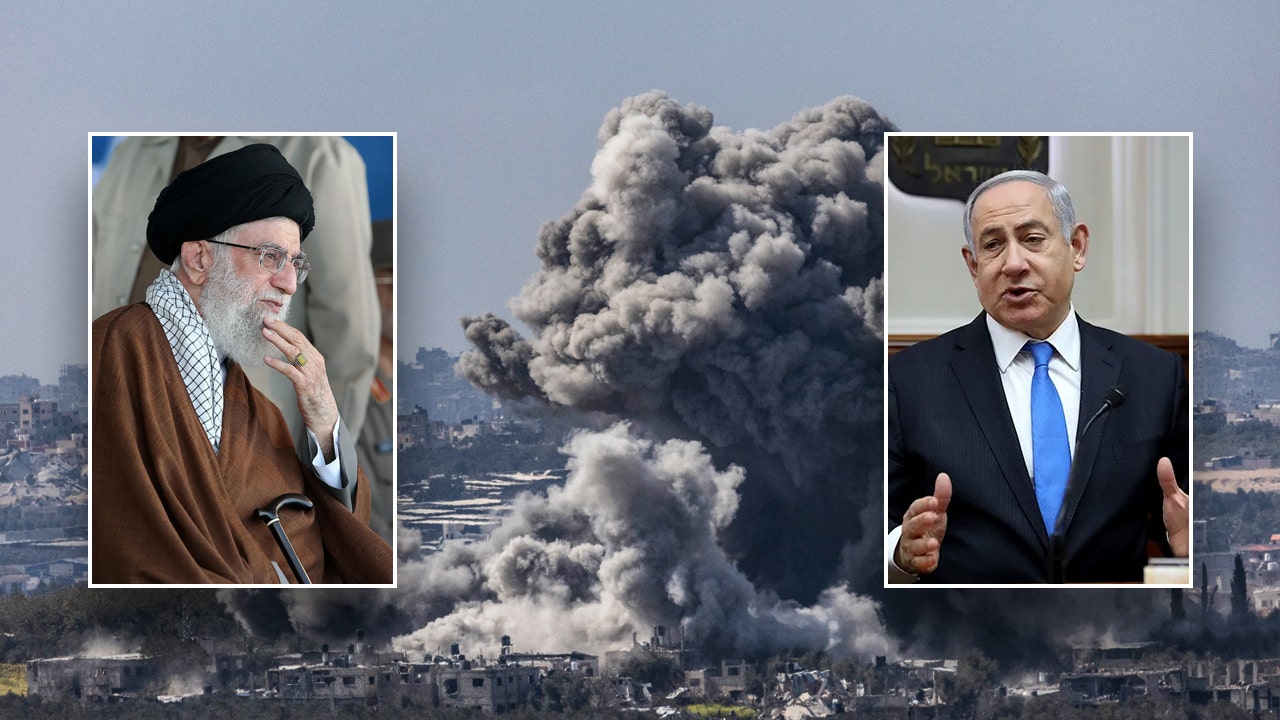
The attack adds to mounting pressure on the truce at a moment of broader regional turmoil, with the United States and Iran trading strikes elsewhere in the Middle East. Each incident like the one in Nabatieh chips away at the fragile understanding that halted full-scale war, and raises the question of how long a ceasefire can hold when the killing has not fully stopped.