WHO Declares Global Health Emergency as Bundibugyo Ebola Tears Through Eastern Congo
An outbreak centered on the gold-mining town of Mongbwalu has killed at least 264 people and crossed into Uganda's capital, while attacks on health workers hamper the response.
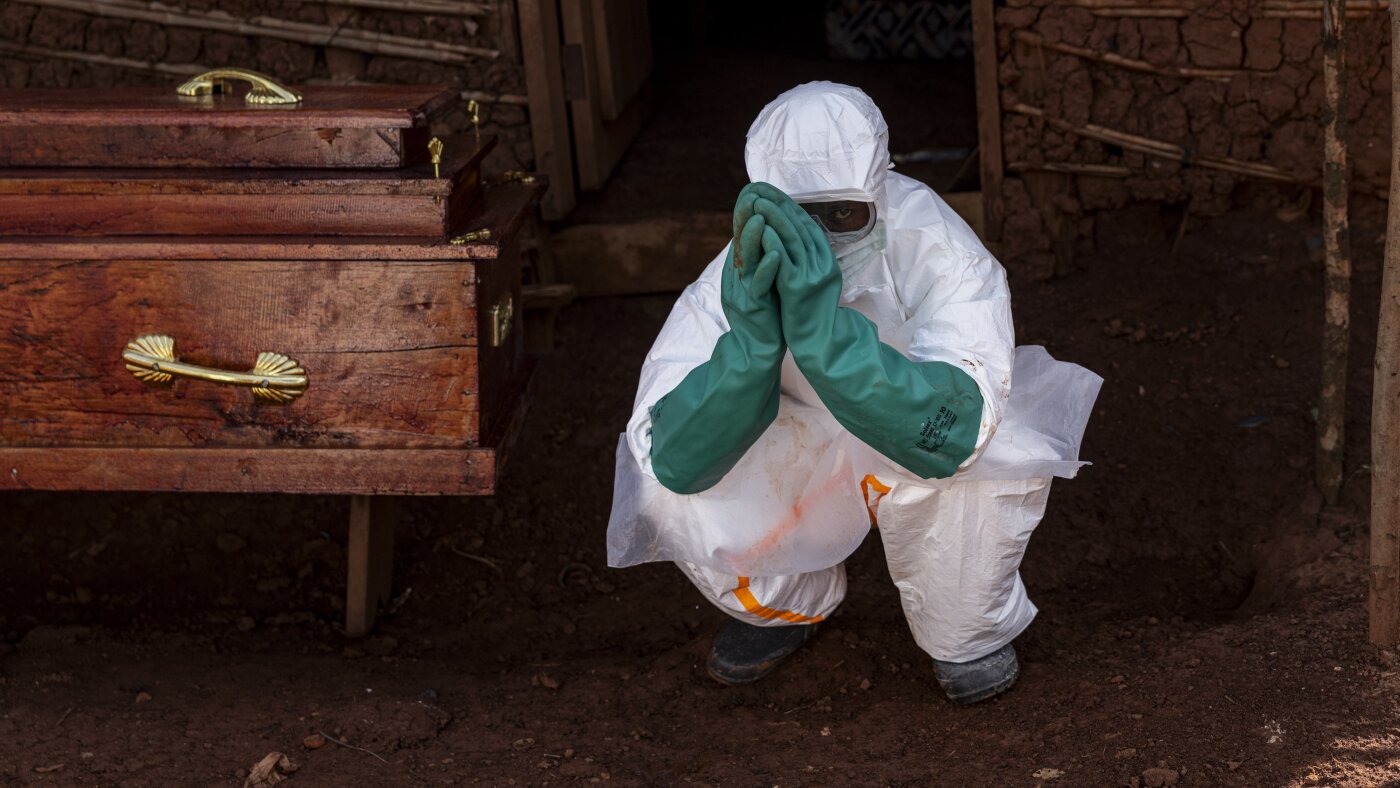
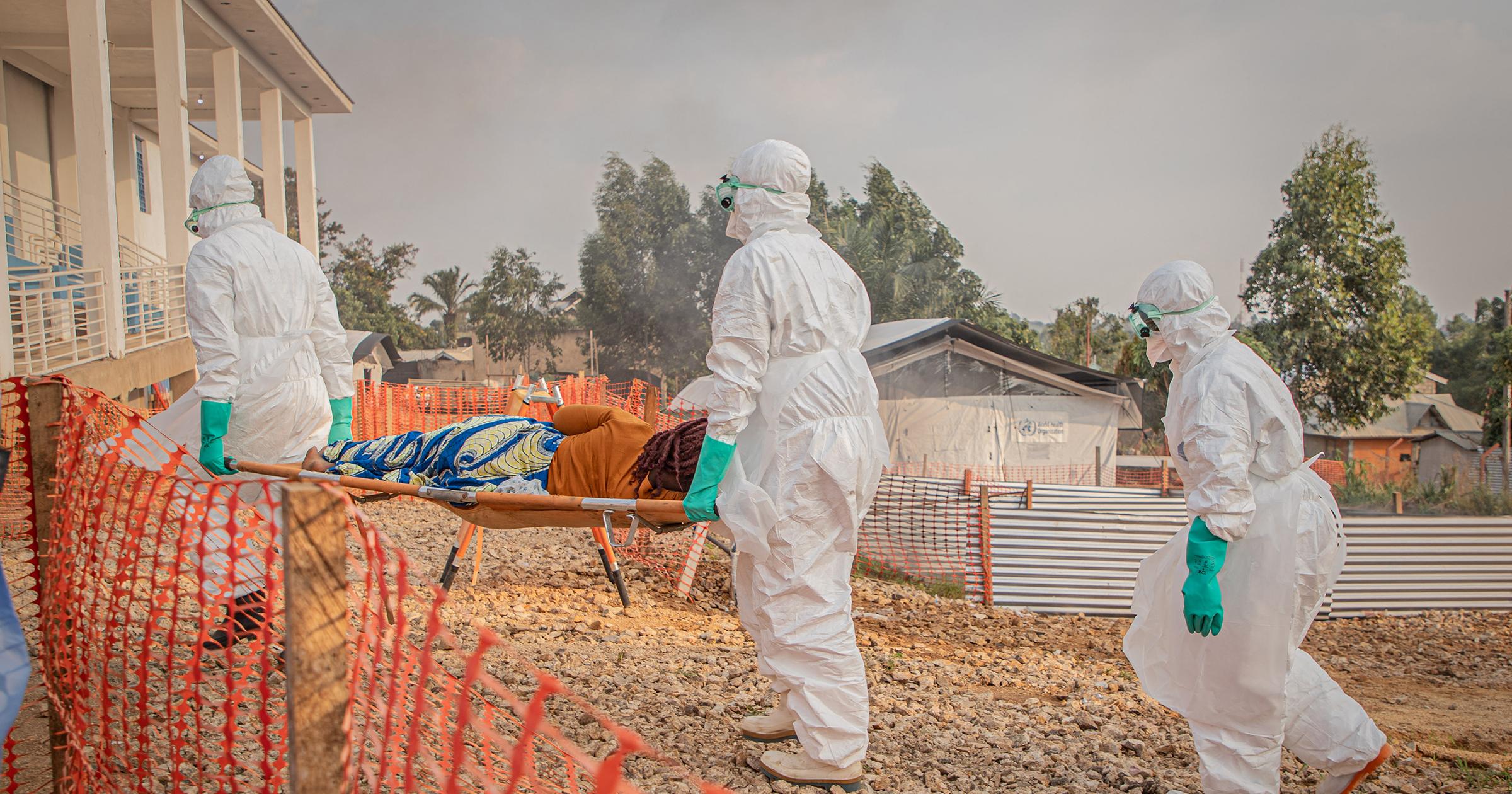
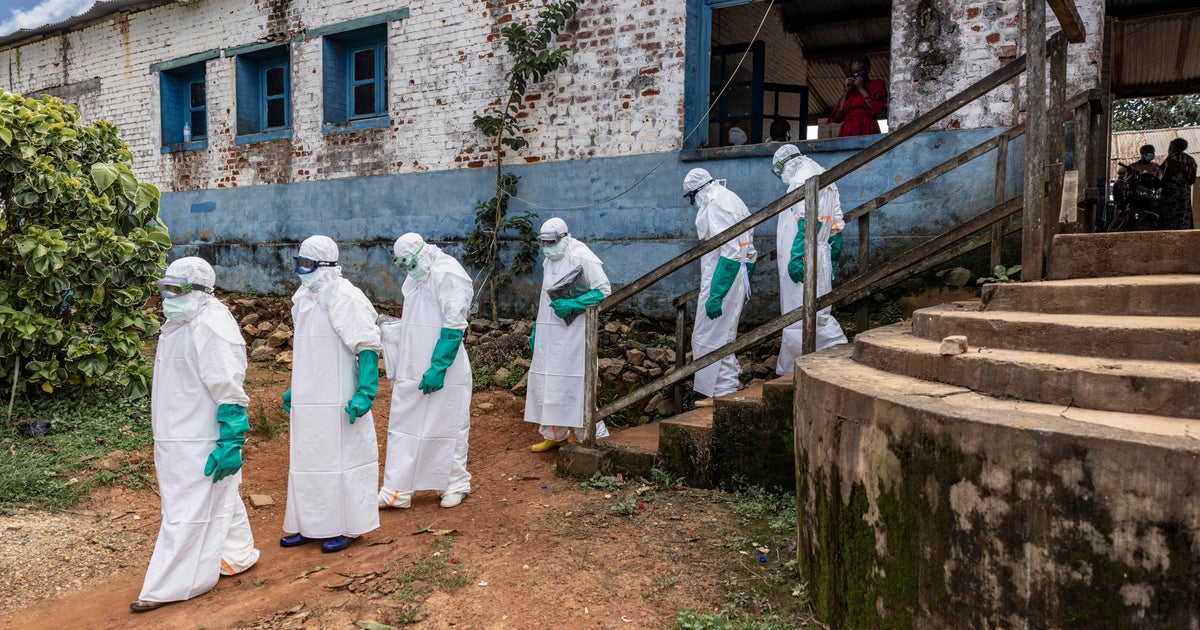
The World Health Organization has declared the rapidly expanding Ebola outbreak in the Democratic Republic of the Congo a Public Health Emergency of International Concern, its highest level of alarm, as the virus spreads across multiple provinces and slips across the border into Uganda.
The crisis traces to early May. On May 5, WHO received an alert about an unknown illness with high mortality in the Mongbwalu Health Zone of Ituri province, including four health workers who died within four days. Laboratory testing confirmed the culprit on May 15 as Bundibugyo virus disease, a strain of Ebola. WHO Director-General Tedros Adhanom Ghebreyesus declared the emergency on May 17, citing the speed of transmission and the risk of regional spread.
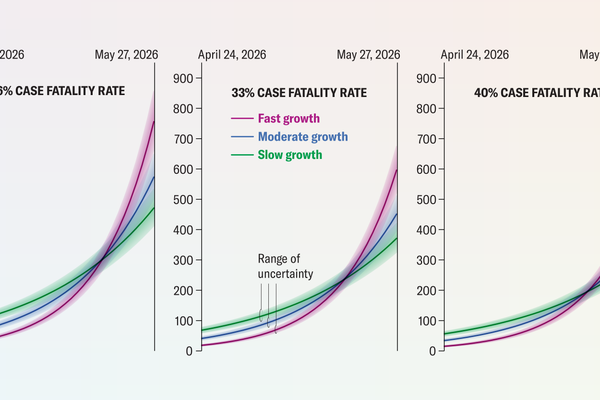
The toll has mounted quickly. As of May 27, officials had logged 1,205 suspected and confirmed cases and at least 264 deaths. A day earlier, the DRC's Ministry of Health reported 121 confirmed cases — including 17 deaths — alongside 1,077 suspected cases that included 238 deaths, spread across Ituri, North Kivu and South Kivu provinces. The epicenter, Mongbwalu, is a poor gold-mining town of roughly 130,000 people.
The geographic footprint is widening. Cases have been reported in the Ituri towns of Bunia and Rwampara in addition to Mongbwalu, and two laboratory-confirmed cases, one of them fatal, have surfaced in Kampala, Uganda's densely populated capital — a development that raises the specter of urban transmission far from the rural outbreak's origin.
Complicating the emergency is the nature of the virus itself. The outbreak is driven by the Bundibugyo ebolavirus, not the more familiar Zaire strain that the existing licensed Ebola vaccines and monoclonal-antibody treatments were designed to fight. That mismatch leaves responders uncertain how well their best tools will perform and forces difficult decisions about deploying countermeasures that have not been proven against this strain.
Insecurity is making a hard job harder. Health facilities in the region have come under attack, and aid groups have described a response struggling to keep pace with the spread as armed groups operate across eastern Congo. The combination of a novel strain, weak health infrastructure, cross-border movement and violence has set off memories of past Ebola epidemics that took thousands of lives before they were contained.
A Public Health Emergency of International Concern is the WHO's most serious designation, one the agency has invoked sparingly — for the COVID-19 pandemic, recent mpox outbreaks and earlier Ebola epidemics among them — and it is meant to unlock international funding, coordination and the rapid deployment of medical teams. The stakes are well established in this corner of Africa: the 2018 to 2020 Ebola epidemic in eastern Congo killed more than 2,200 people, and the current outbreak's mix of an unusual strain and insecure terrain has raised fears of a similarly grueling fight.