Saudi Arabia Says Iraqi Militias and the Houthis Are Preparing Coordinated Attacks on Its Ports, Airports and Oil Fields
A Saudi official told CNN the kingdom has tracked meetings between Iraqi militiamen, Houthi operatives and Iran's Revolutionary Guard, along with the movement of drones and missiles. The warning came a day after the Houthis hit a Saudi oil tanker in the Gulf of Aden.

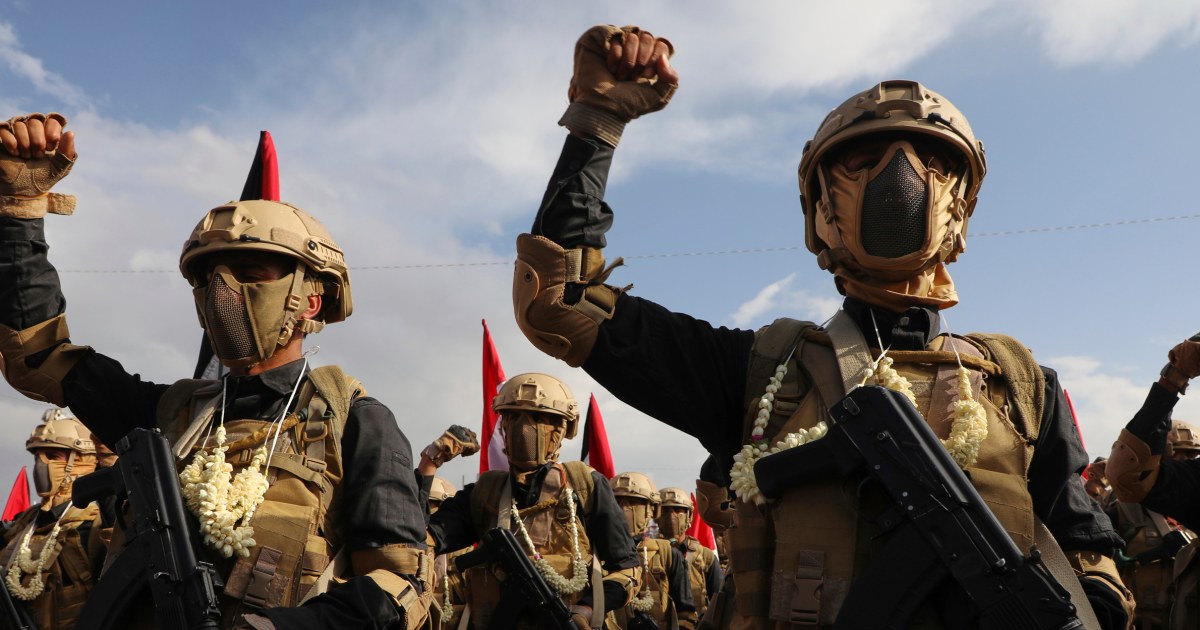
Saudi Arabia is bracing for what a senior Saudi official described as "multiple coordinated attacks" by Iraqi militia factions working alongside Yemen's Iran-backed Houthis, a warning that threatens to pull the kingdom's civilian infrastructure directly into the widening Middle East war. The official, speaking to CNN, said the assessment rests on "multiple intelligence reports" gathered by Saudi Arabia, the United States and other countries in the region, all pointing to an attack "in the very near future" carried out under the guidance of Iran's Islamic Revolutionary Guard Corps.
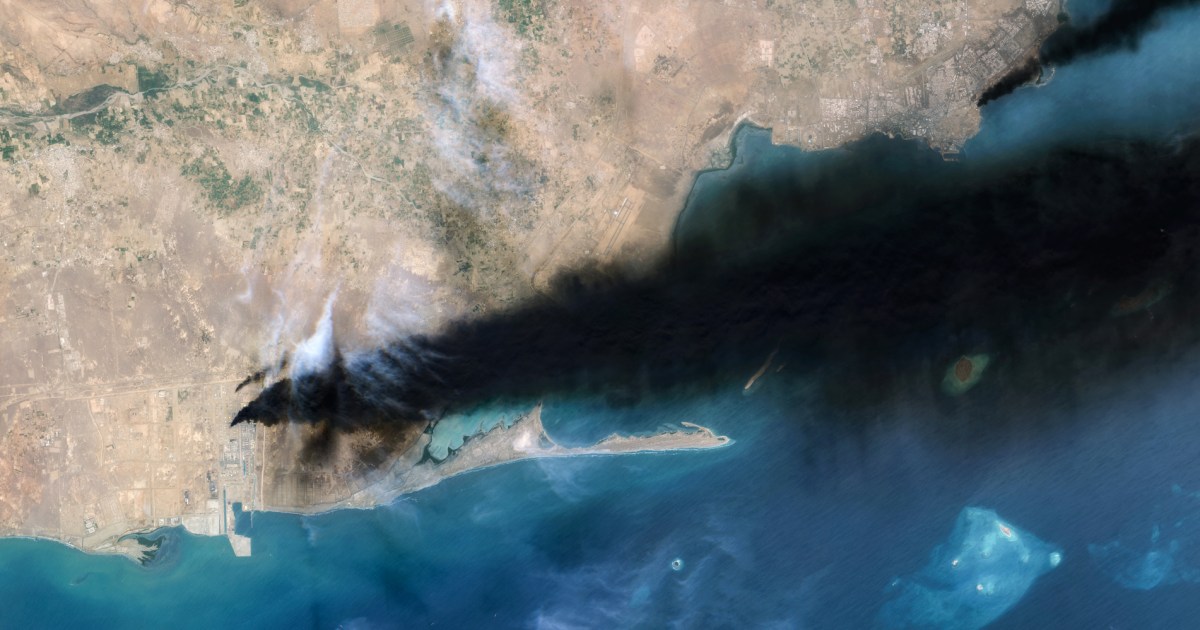
What alarmed Riyadh was not a single tip but a pattern. The official said Saudi Arabia had detected meetings involving Iraqi militiamen, Houthi representatives and members of the IRGC, along with the physical movement of drones and missiles. The likely targets, the official said, are "mostly civilian and economic installations" — energy facilities, ports and airports — the arteries through which the kingdom's oil moves and its economy breathes. "Saudi Arabia will take all necessary measures to deal with any aggression," the official said, while insisting the kingdom would continue its de-escalation efforts and keep open its channels to authorities in Baghdad.
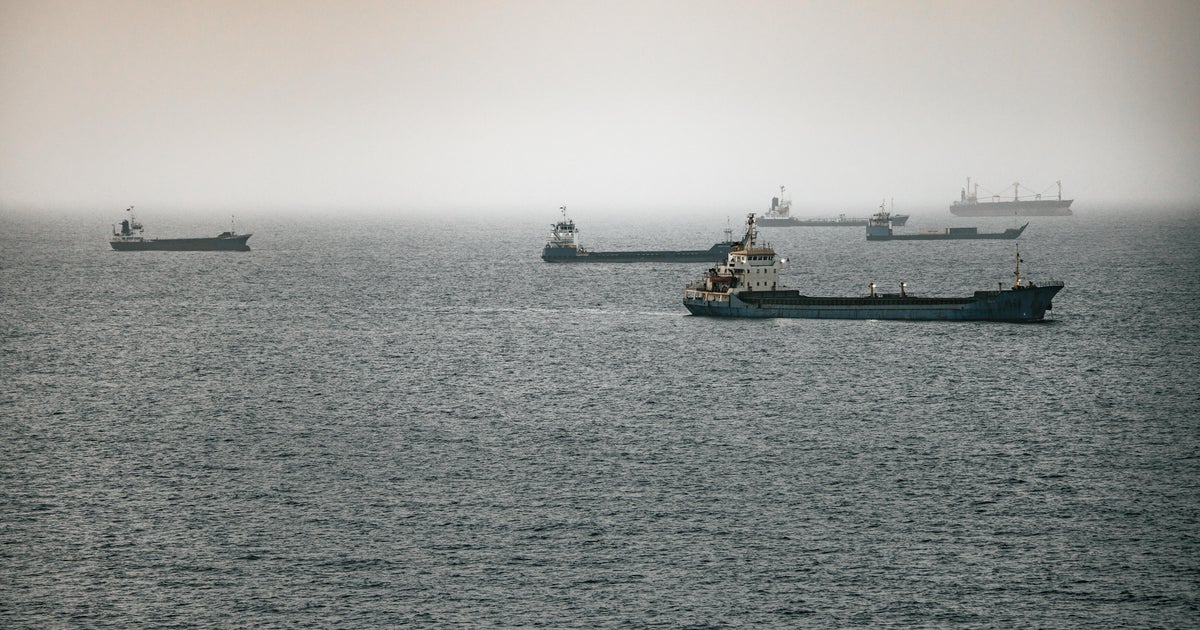
The warning landed one day after the Houthis claimed responsibility for a missile strike on a Saudi oil tanker in the Gulf of Aden, one of the world's most heavily trafficked shipping lanes. The group said the operation was part of a maritime blockade of Saudi Arabia it calls the "siege for siege" equation. Hours after the Saudi official spoke, the Saudi-led coalition announced that 11 civilians had been wounded in a Houthi attack in the kingdom's south, near the Yemeni border. Seven of the wounded were Saudi nationals, including a woman and a 4-year-old child who suffered second-degree burns. A Yemeni, two Egyptians and a Pakistani were also hurt. "The terrorist Houthi militia carried out these terrorist attacks using indiscriminate shelling against civilian objects," the coalition said.
The timing is what the Saudi official found most revealing. The intelligence arrived, the official said, at precisely the moment Riyadh was pushing for de-escalation and negotiations involving Iran appeared to be heading in the right direction. The official suggested the planned attacks were designed to blow up that diplomacy — and might reflect a power struggle inside Iran itself, between factions that want a deal and factions that do not. "I think they want to coordinate attacks from both north and south," the official said, describing a pincer that would come out of Iraq and Yemen simultaneously.
Saudi Arabia has already been absorbing fire from both directions for weeks: missiles from the Houthis in Yemen, drones from Iran-aligned militias in Iraq. On July 29, Saudi Arabia and U.S. Central Command carried out joint airstrikes on Popular Mobilization Forces sites across several Iraqi provinces, killing 20 fighters and wounding 32, according to Iraqi officials. CENTCOM said the targets were weapons and logistics sites belonging to groups that had launched more than 30 drone attacks in the preceding 72 hours. The PMF, an umbrella of mostly Shia militias formally folded into Iraq's own security forces, condemned the strikes as a violation of Iraqi sovereignty.
Riyadh's response has been to build a wall of alliances. The kingdom led the coalition that intervened against the Houthis in Yemen in 2015 and never dislodged them from the capital. This time it has moved diplomatically, signing a joint defense agreement with Turkey and Pakistan in Mecca, and standing up a multinational naval arrangement to protect Red Sea traffic. Whether any of that deters a strike aimed at an airport terminal or an oil loading berth is the question the next several days are likely to answer.