Houthi Missiles and Drones Hit Yemeni Government Army Camps in Marib and Hadramout, Killing at Least 30 Troops
It is the sharpest escalation since the de facto truce of April 2022. A Houthi commander claimed 'hundreds' of casualties and told followers to strike Saudi positions 'wherever they may be.'
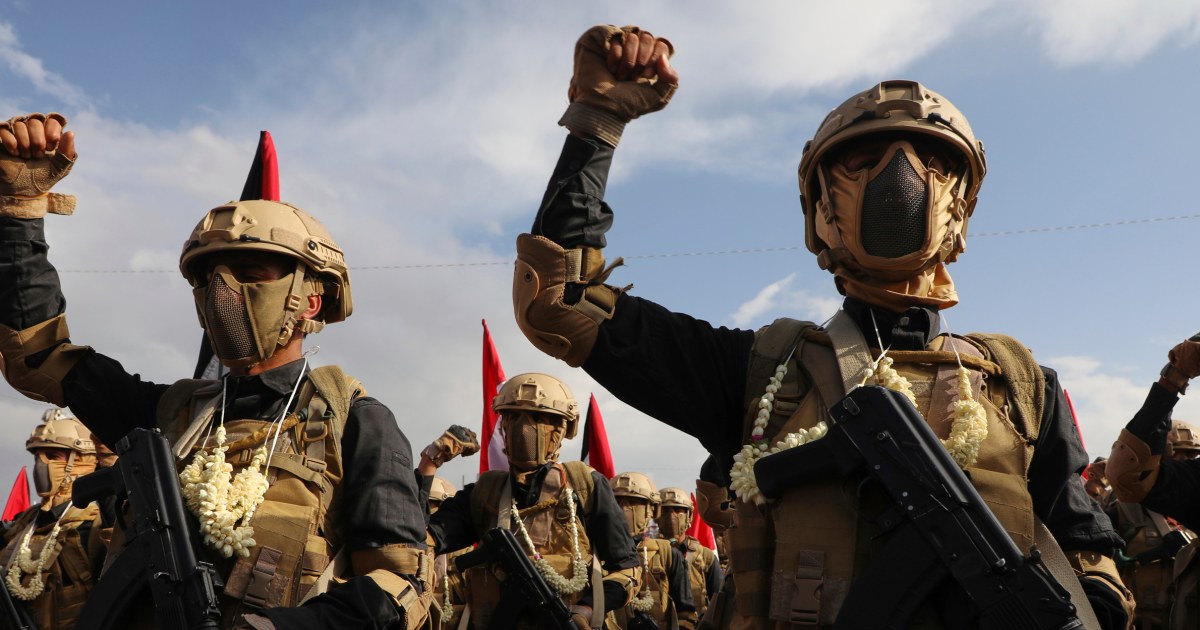
Iran-backed Houthi forces struck military camps belonging to Yemen's internationally recognized government on Thursday in the provinces of Marib and Hadramout, killing at least 30 troops and wounding at least 50 more, Yemeni government officials said. The officials spoke on condition of anonymity because they were not authorized to talk to reporters. Yemen's army acknowledged publicly only that the attacks had left dead and wounded among its forces, without giving a toll.
Houthi Brig. Gen. Yahya Saree, the group's military spokesman, said the strikes used ballistic missiles and drones and were a response to a buildup of Saudi-backed forces in eastern Yemen. He claimed the attacks killed and injured "hundreds of Saudi enemy mercenaries" and destroyed camps, depots, military vehicles and weapons. "We call upon all our people to remain vigilant and confront any Saudi aggression, and to strike Saudi troop concentrations wherever they may be," Saree said in a broadcast address.
The U.S. mission to Yemen posted condolences on X to the families of the soldiers killed in Hadramout and Marib and said the assaults "represent yet another example of their terrorism against the Yemeni people."
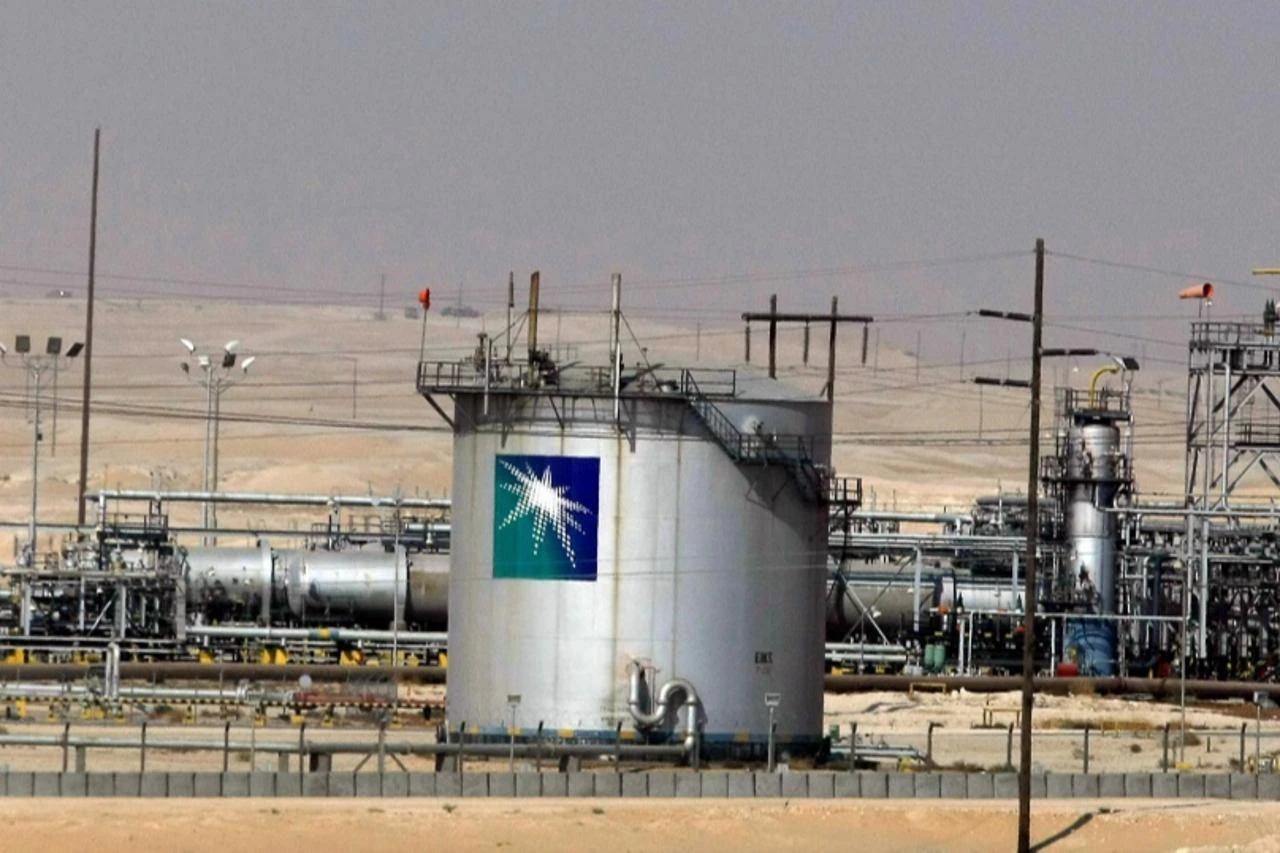
The significance of Thursday's attacks is the line they cross. Yemen's civil war has been effectively frozen since April 2022, when a de facto truce halted large-scale fighting between the Houthis and the Saudi-led coalition backing the exiled government. Marib, an oil-producing province, was the bloodiest front of the war before that truce; a resumption of missile and drone attacks on camps there is the closest the country has come to full-scale ground war in four years.
The war itself dates to 2014, when the Houthis seized the capital, Sanaa, and drove the internationally recognized government into exile in Saudi Arabia. A Saudi-led coalition intervened months later and has been fighting the rebels since 2015 without dislodging them. Neither side has won; the conflict settled into a stalemated proxy fight between Riyadh and Tehran.
The current escalation has been building since late July, when the Houthis declared a blockade on Saudi oil vessels in the Red Sea in retaliation for Saudi strikes on the airport in Sanaa. The Houthis say the airport was hit while an Iranian official was traveling through Yemen. The group frames its Red Sea and Bab el-Mandeb operations as an answer to what it calls a Saudi air and sea blockade on Yemen in place since 2015.
The same day as the camp attacks, Houthi forces launched strikes inside Saudi Arabia itself, injuring 11 people in the Najran region, according to Saudi military spokesperson Turki Al-Malki, who said the militia used "indiscriminate shelling against civilian objects." Most of the injured were Saudi nationals, including a 4-year-old; the rest were Egyptian, Yemeni and Pakistani.
The timing matters well beyond Yemen. Gulf states already absorbing Iranian missile and drone fire from the wider war are pressing Washington and Tehran toward an interim agreement on the Strait of Hormuz, and are warning that another round of escalation could put their oil infrastructure in the crosshairs.