France Will Send Troops and Air Defenses to Guard Saudi Arabia's Yanbu Oil Port
Macron says the soldiers and radar will protect the Red Sea terminal of the pipeline Saudi Arabia now depends on while Hormuz is shut, after new Houthi missile and drone attacks.

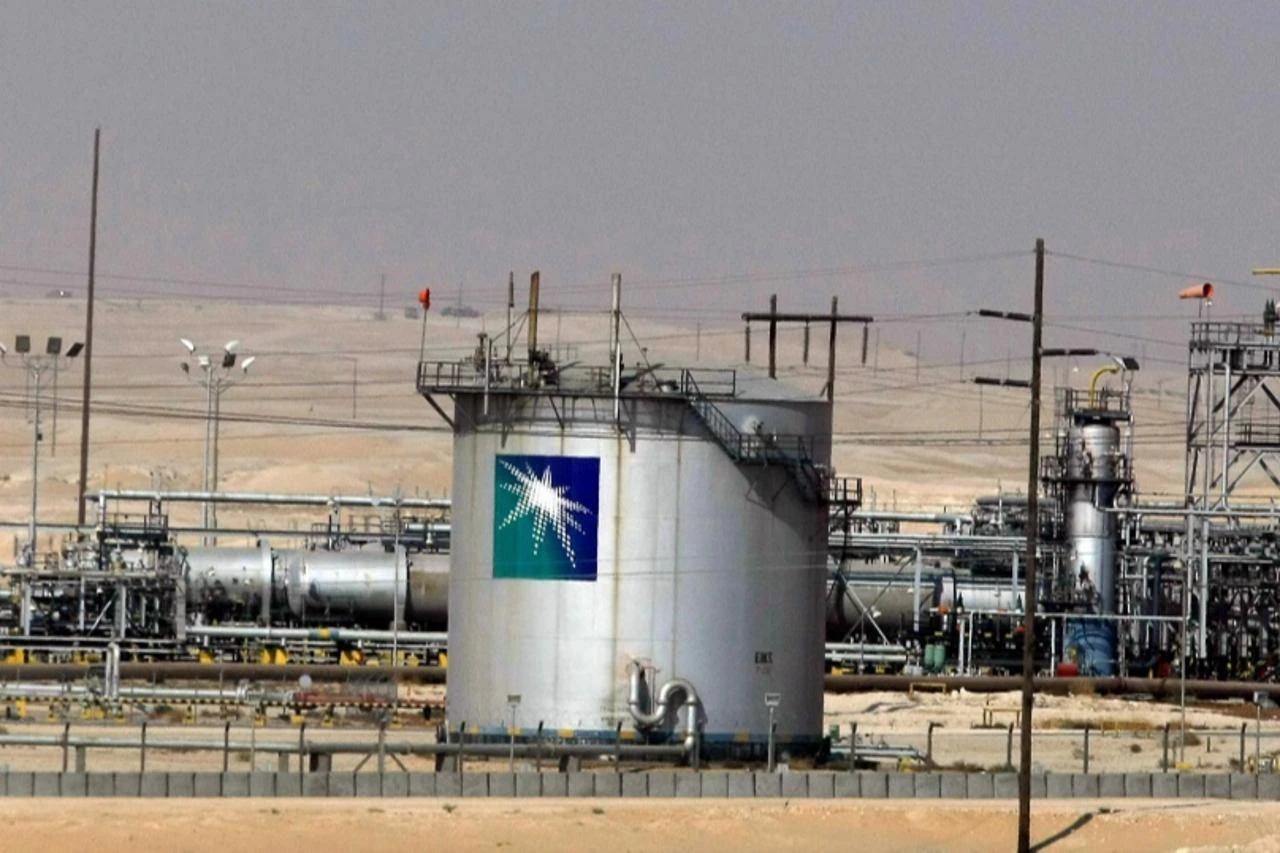
France will send soldiers, radar systems and air defenses to Saudi Arabia to protect the Red Sea oil port of Yanbu, President Emmanuel Macron said Thursday, as Yemen's Houthi rebels escalated missile and drone attacks on the kingdom's energy lifeline.
"We are going to send military resources, that is to say, soldiers, radar systems and defense systems, to protect this site — not to get us involved in any conflicts, but to protect this site," Macron said in a live interview with the French networks TF1 and France 2. He did not say how many troops would go, what equipment they would bring or when they would arrive. Reuters reported the arrangement with Riyadh had been finalized.
Yanbu matters because of where it sits. It is the Red Sea end of Saudi Arabia's East-West Pipeline, which runs roughly 1,200 kilometers across the kingdom and before the latest disruptions carried around 4 to 5 million barrels of oil a day. With the Strait of Hormuz closed by the Iran war, the pipeline and the port have become the kingdom's main route to get crude to market.
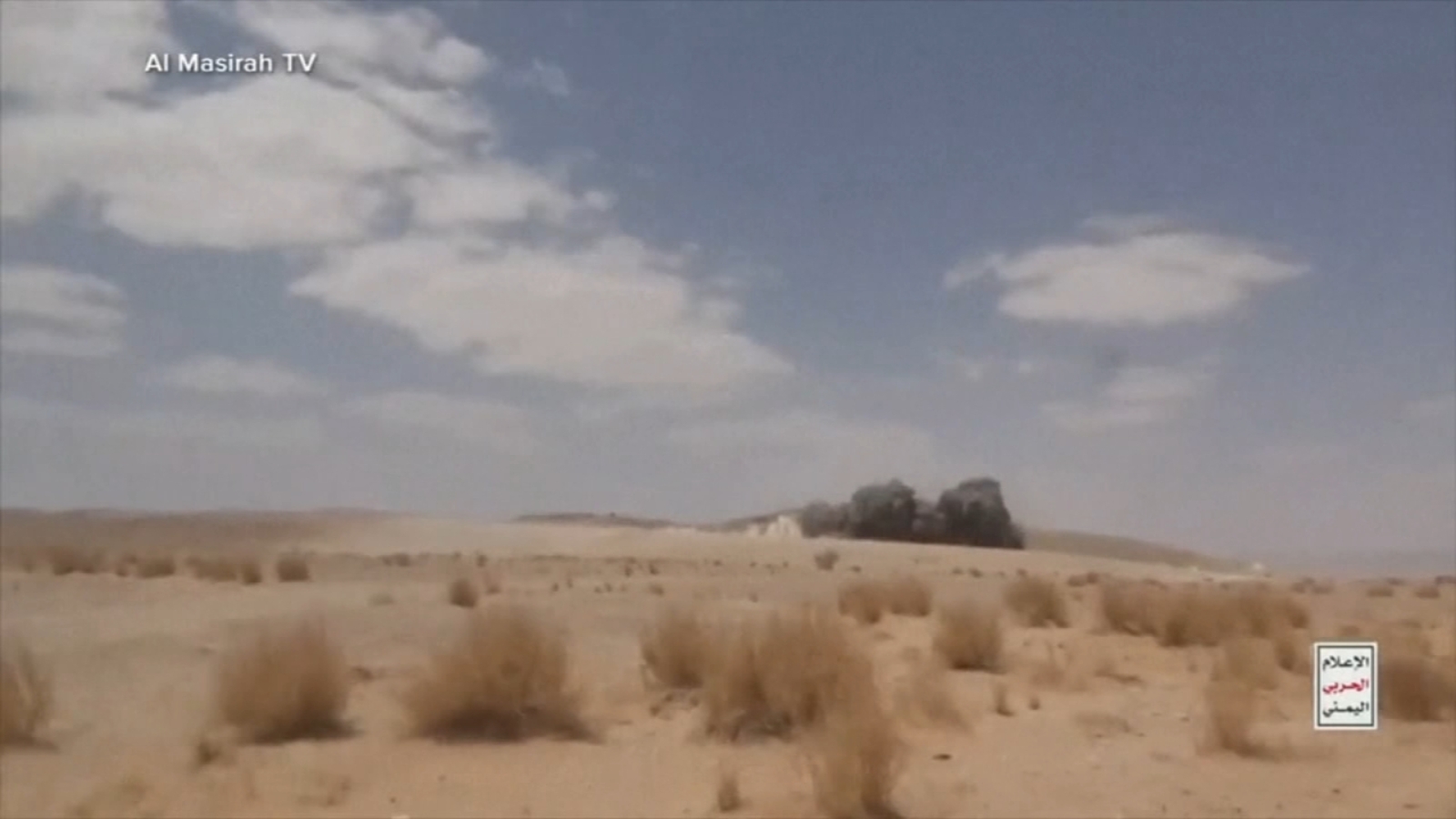
That has made them a target. On Thursday, the Saudi-led coalition said it shot down six ballistic missiles aimed at Taif and the Yanbu area. The Houthis then claimed two waves of attacks using ballistic missiles, cruise missiles and drones, including on Saudi Aramco facilities in Yanbu and what they called a "sensitive target" in Riyadh. Saudi civil defense did not issue an alert for the capital, and the Riyadh claim could not be confirmed. The Houthis also said they struck the port city of Jizan. Brent crude rose to nearly $107 a barrel by Thursday evening.
Macron tied the decision directly to prices at home. France has seen record costs for diesel, jet fuel and natural gas, and he presented the mission as a way to keep oil flowing rather than a step into the war. His insistence that the mission is "not to get us involved in any conflicts" is aimed at voters wary of being drawn into the fighting between the United States, Israel and Iran.
Saudi Arabia is also leaning on regional partners. Military chiefs from Saudi Arabia, Turkey and Pakistan are due to meet about the Mecca Joint Defense Agreement the three countries signed in August, though neither Ankara nor Islamabad has yet sent direct military help. Saudi Arabia's Grand Mufti called on soldiers to prepare to drive the Houthis out of Yemen, and Turkish Parliament Speaker Numan Kurtulmus suggested the pact could grow to include the broader "Muslim world," even Iran.
The Houthis fired a ballistic missile at Riyadh last weekend in the first strike on the Saudi capital since the war reignited in July. A French deployment would put Western troops on Saudi soil at a site the rebels have repeatedly targeted.