Last U.S. Troops to Leave Iraq by September 30, Ending a 23-Year Military Presence
President Trump and Iraqi Prime Minister Ali al-Zaidi say all remaining American forces will withdraw as Washington shifts from a military mission to economic partnership.

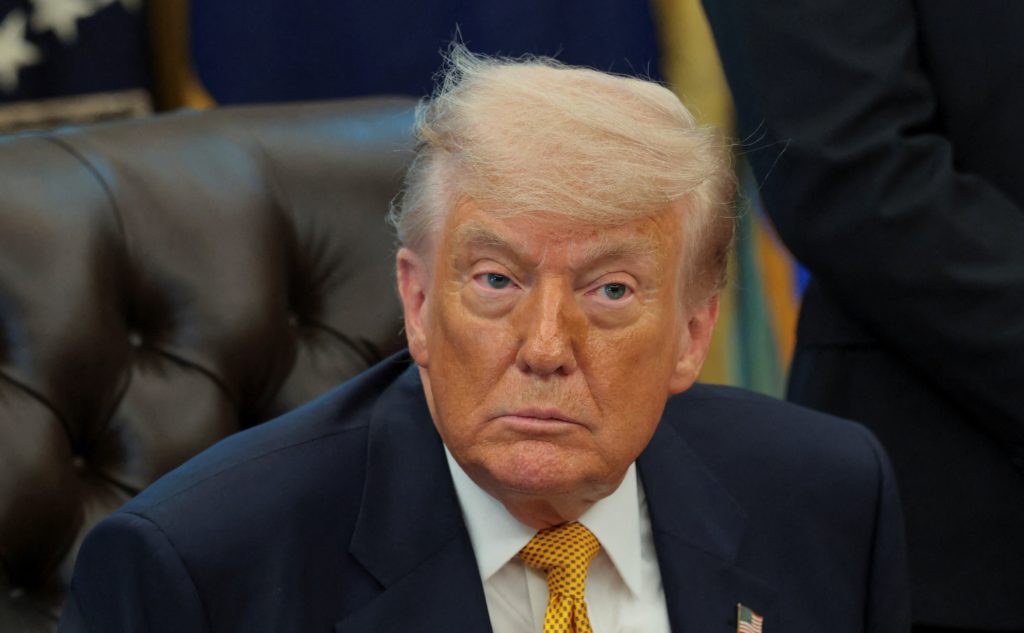
The United States will pull its remaining troops out of Iraq by September 30, President Donald Trump and Iraqi Prime Minister Ali al-Zaidi announced, drawing a close to a military footprint that has spanned 23 years since American forces invaded in 2003 to topple Saddam Hussein.
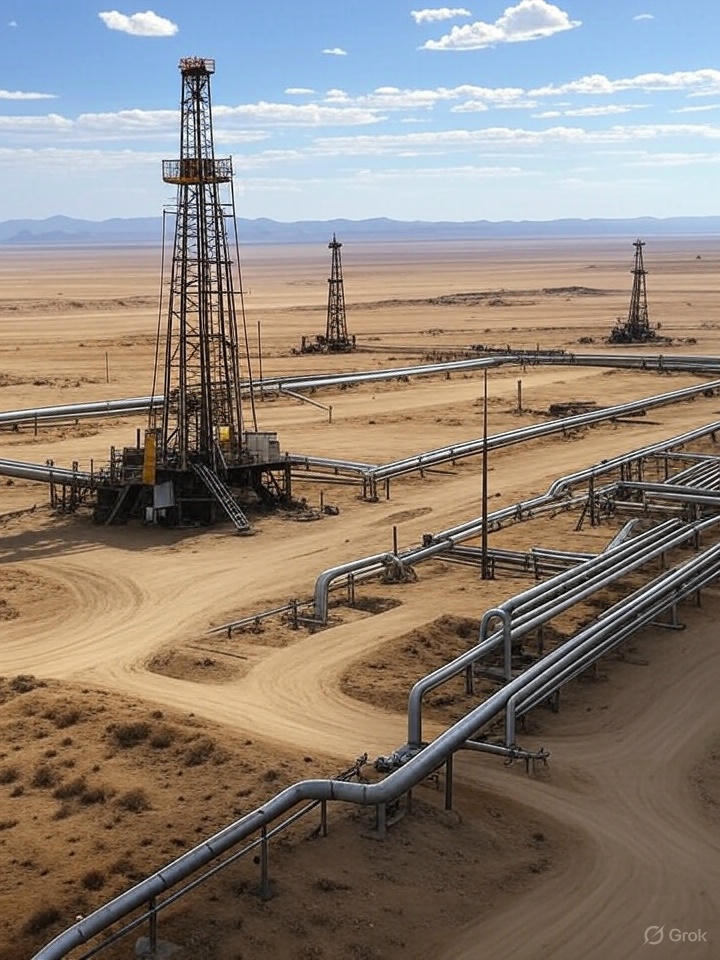
Speaking through an interpreter, al-Zaidi said flatly that "U.S. forces will be out of Iraq" by the end of September, "while U.S. companies will be inside Iraq" — a formulation that captured the shift both governments are now emphasizing, from a security relationship to an economic one. Trump has said a standing military presence is no longer needed and has repeatedly stressed a pivot toward commercial and corporate partnerships, noting that American firms are "taking out a lot of oil."
The withdrawal completes a drawdown that has been years in the making. The Defense Department pointed to a 2024 agreement, negotiated during Joe Biden's presidency, to wind down the U.S.-led coalition mission against the Islamic State group. In recent weeks American forces have already handed off and departed the sprawling Ain al-Asad Airbase in western Iraq, long a symbol of the U.S. presence in the country.
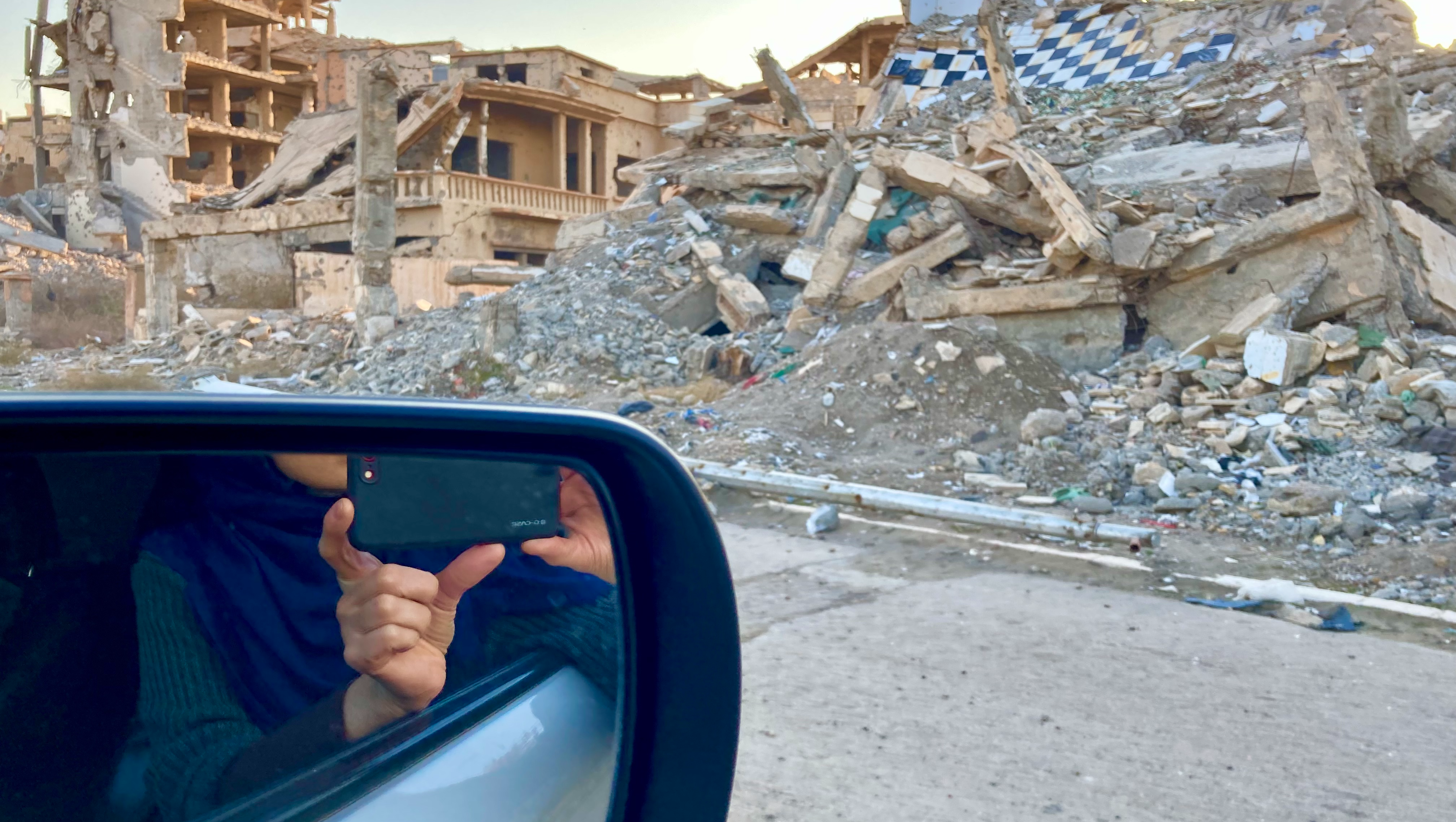
The 2003 invasion, launched on the premise that Saddam Hussein possessed weapons of mass destruction that were never found, plunged Iraq into years of insurgency, sectarian bloodshed and the eventual rise of ISIS, which seized roughly a third of the country in 2014 before being beaten back by an American-led coalition. At its peak the U.S. had more than 160,000 troops in Iraq; in recent years the number had dwindled to about 2,500 advisers and counterterrorism forces.
For Baghdad, the exit is politically potent. Powerful Iran-aligned factions have for years demanded an end to the American presence, and Iraqi leaders have sought to avoid becoming a battlefield in the wider confrontation between Washington and Tehran. Some reporting has indicated the U.S. intends to keep a residual footprint in the semi-autonomous Kurdistan region in the north even as it leaves federal Iraq, a nuance officials have not fully spelled out publicly.
The announcement lands at a combustible moment in the region, with the United States locked in an open-ended conflict with Iran and oil prices spiking. Supporters cast the withdrawal as the overdue end of a costly chapter that claimed thousands of American lives and hundreds of thousands of Iraqi ones. Skeptics warn that leaving could create a vacuum that ISIS remnants or Iranian-backed militias rush to fill — the same fear that has repeatedly delayed a full American exit before.