U.S. Withholding Iraq's Oil Revenue Over Tehran Ties
The United States has halted dollar shipments to Iraq's cash-based economy in an effort to force Baghdad to distance itself from Iran.
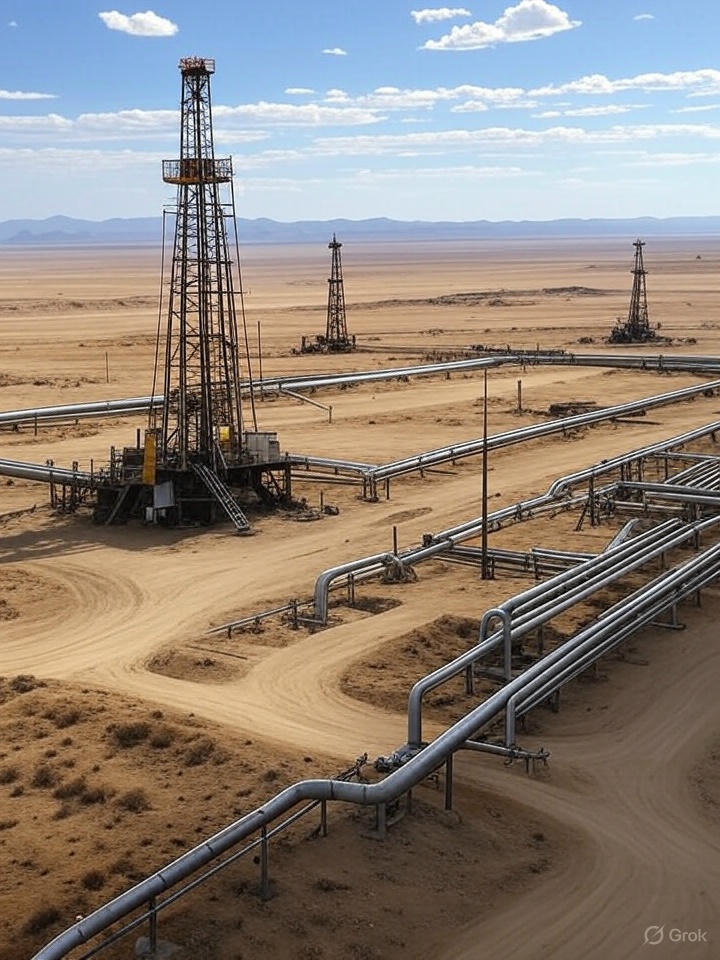
The United States has suspended dollar shipments to Iraq's cash-dependent economy as part of a broader strategy to pressure the Baghdad government into reducing its ties with Iran. The unprecedented move involves withholding Iraq's own oil revenues, which are typically held in U.S. accounts and regularly transferred to support the country's financial system.
Iraq's economy relies heavily on cash transactions conducted in U.S. dollars, making these regular shipments crucial for basic economic functions including government operations, business transactions, and banking services. The suspension represents a significant escalation in Washington's efforts to isolate Iran economically and diplomatically, using Iraq's dependence on dollar liquidity as leverage to influence its foreign policy decisions.
The timing of the suspension coincides with heightened tensions in the region as the U.S. and Iran engage in indirect negotiations over various issues, including Iran's nuclear program and regional influence. Iraqi officials have found themselves caught between their largest trading partner, Iran, and their primary security guarantor and economic lifeline, the United States. This delicate balancing act has become increasingly difficult as both Washington and Tehran pressure Baghdad to choose sides.
The withholding of Iraq's oil revenues marks a departure from previous U.S. approaches to influencing Iraqi policy. Rather than relying solely on diplomatic pressure or military threats, the Biden administration is leveraging Iraq's structural economic vulnerabilities to achieve foreign policy objectives. The move demonstrates how the dollar's role as the global reserve currency can be weaponized in international disputes, even when dealing with sovereign nations' own resources.
Iraqi government officials have privately expressed concern about the economic impact of the suspension, particularly as the country continues to rebuild its infrastructure and economy following decades of conflict. The policy puts Iraqi Prime Minister Mohammed Shia al-Sudani in an increasingly difficult position as he attempts to maintain relationships with both Washington and Tehran while managing domestic economic pressures. The situation highlights the complex web of economic and political relationships that define Middle Eastern geopolitics, where energy resources, financial systems, and regional rivalries intersect in ways that can significantly impact civilian populations.