Iranians Struggle with Economic Pain and Lost Hope Beneath Veneer of Normalcy
After months of conflict and upheaval, many Iranians attempt to maintain daily routines while quietly grappling with grief, financial stress, and diminished optimism.

Across Iran, citizens are attempting to maintain the appearance of normal life while privately wrestling with profound economic hardship, personal loss, and a deepening sense that their country's future remains uncertain. The recent months of military conflict and international isolation have taken a psychological toll that extends far beyond the immediate effects of warfare, creating a complex landscape where public resilience masks private despair.
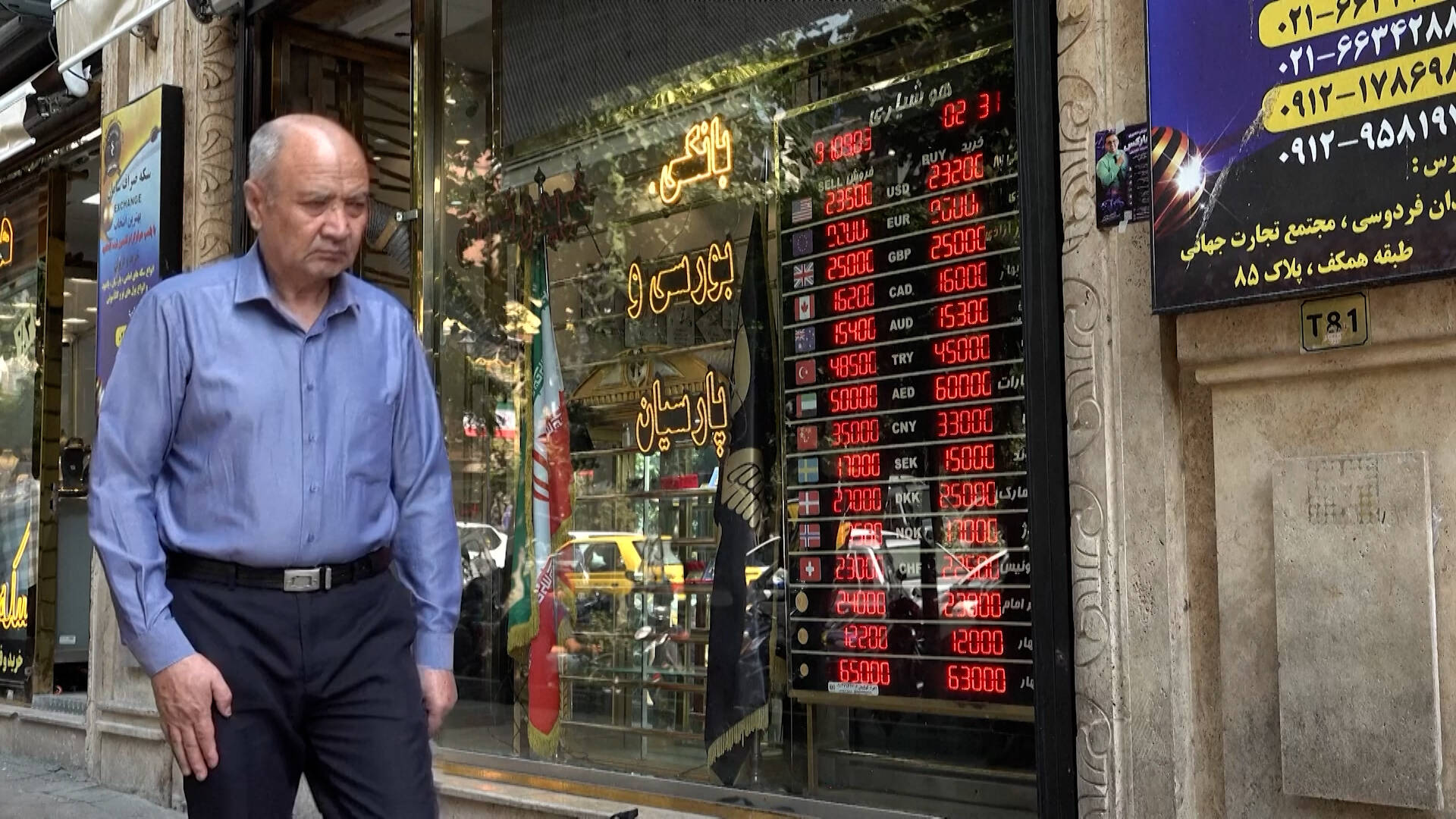
The economic impact of prolonged sanctions and military operations has created widespread financial stress for ordinary Iranians, with many families struggling to afford basic necessities as inflation continues to erode purchasing power. Small business owners report dramatic declines in customer traffic, while young professionals increasingly speak of emigration as their primary long-term strategy. The disconnect between official government messaging about national strength and the daily reality of economic struggle has created an atmosphere of quiet cynicism.
Many Iranians describe a peculiar duality in their daily experiences, where they participate in normal social activities and maintain family routines while constantly processing news of conflict and international tensions. Parents report particular anxiety about their children's futures, with some expressing concern that an entire generation is coming of age during a period of national crisis. The psychological burden of uncertainty has become a defining feature of contemporary Iranian life.
Grief has become a pervasive but often unspoken element of the national mood, as families mourn both direct losses from the conflict and the broader sense that cherished aspirations for their country may be slipping away. Community gatherings and traditional celebrations continue, but participants frequently describe them as carrying an undertone of melancholy that reflects deeper concerns about Iran's trajectory.
The combination of external pressure and internal challenges has created what many describe as a survival mindset, where immediate concerns about family welfare take precedence over broader political engagement. This shift represents a significant change from previous periods of crisis, when many Iranians maintained active hope for political reform or international reconciliation. The current atmosphere suggests a population that has adapted to prolonged uncertainty while harboring deep concerns about what lies ahead for their nation and their personal futures.