Iran Lists Peace Demands That Trump Deemed 'Unacceptable' as War Continues
Tehran's conditions include U.S. war reparations, recognition of its sovereignty over the Strait of Hormuz, and an end to American sanctions.

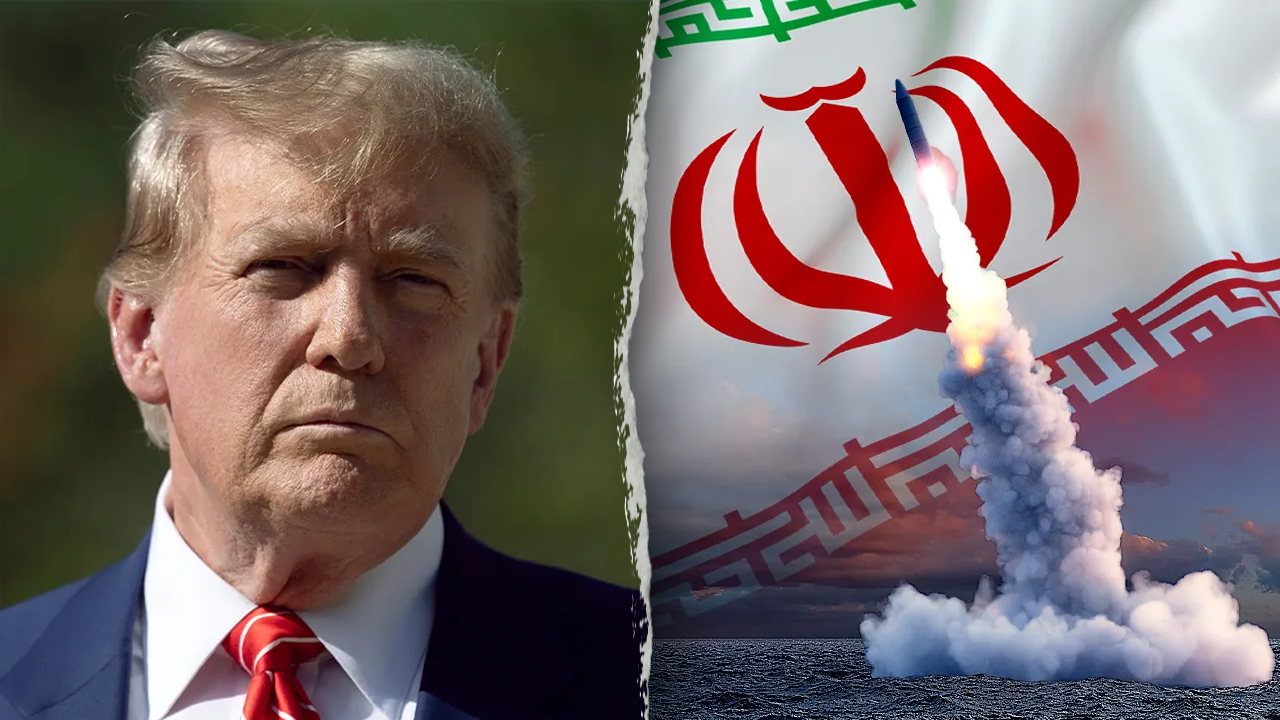
Iran has publicly outlined its demands for a peace deal with the United States, proposing conditions that President Trump immediately rejected as "unacceptable" according to Iranian state media reports. Tehran's list includes three major requirements: U.S. war reparations for damages sustained during the conflict, formal recognition of Iranian sovereignty over the strategically vital Strait of Hormuz, and the complete removal of all American economic sanctions. The demands represent Iran's opening position as diplomatic efforts continue despite the ongoing military hostilities.
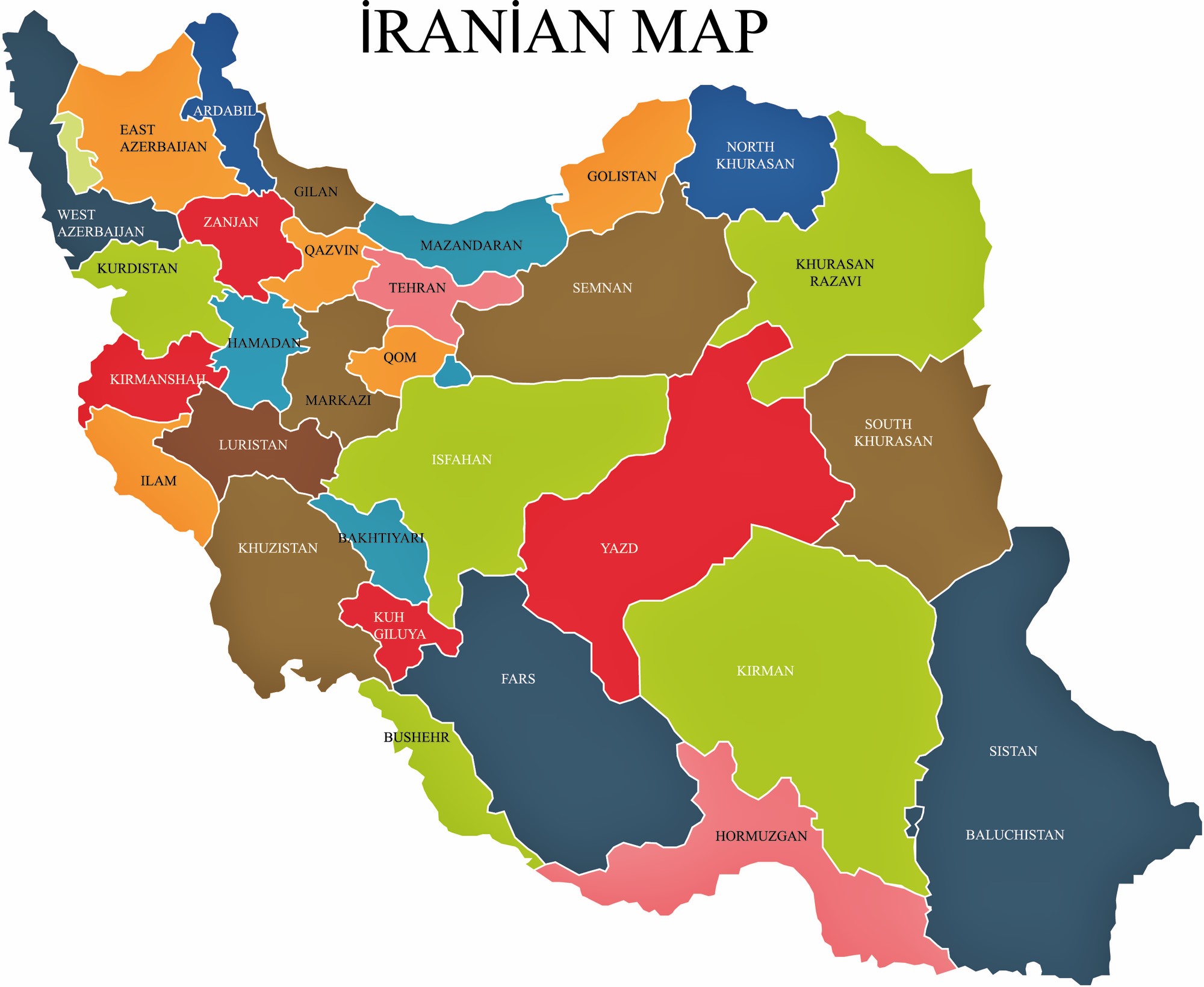
The Iranian government's insistence on recognition of its sovereignty over the Strait of Hormuz represents perhaps the most significant geopolitical demand. The narrow waterway serves as a critical chokepoint for global oil shipments, with approximately 20% of the world's petroleum passing through the strait daily. Iran's claim to control this vital shipping lane would fundamentally alter the balance of power in the Persian Gulf and could give Tehran unprecedented leverage over global energy markets. The demand effectively asks the United States to acknowledge Iranian control over one of the world's most strategic maritime passages.
The call for war reparations reflects Iran's position that the United States bears responsibility for initiating the current conflict and the resulting humanitarian and economic costs. Iranian officials have not yet specified the monetary amount they would seek, but analysts suggest the figure could reach into the hundreds of billions of dollars. Such reparations would represent an unprecedented acknowledgment of American culpability in the conflict and could set a precedent for future international disputes. The demand for reparations also serves as a domestic political tool for Iranian leadership to demonstrate their commitment to seeking justice for the Iranian people.
Trump's swift rejection of Iran's peace terms suggests that significant diplomatic work remains before any meaningful negotiations can begin. The president's characterization of the demands as "unacceptable" indicates that the current gulf between the two sides may be too wide to bridge through conventional diplomacy. American officials have consistently maintained that any peace agreement must include verifiable restrictions on Iran's nuclear program and regional military activities, demands that do not appear in Iran's current proposal. The divergent positions suggest that the conflict may continue for an extended period before serious peace talks can commence.
The public nature of Iran's demand list represents a shift in diplomatic strategy, as Tehran appears to be appealing directly to international opinion rather than engaging in private negotiations. This approach may be designed to build support among non-aligned nations and to pressure the United States to make concessions. However, the strategy also risks hardening positions on both sides and making eventual compromise more difficult. As the war continues, both sides face mounting domestic and international pressure to find a path toward peace, even as their public positions remain fundamentally incompatible.