G7 Finance Ministers Pledge Fiscal Restraint in Paris Communique as Iran War Slams Bond Markets and Pushes Oil Above $100 for First Time Since 2022
Treasury Secretary Scott Bessent and counterparts from France, Germany, Italy, the U.K., Canada and Japan agreed to a measured stimulus approach as the U.S.-Israel conflict with Iran rattles sovereign debt and inflation expectations.

Finance ministers and central bank governors from the Group of Seven nations wrapped a two-day meeting in Paris on Tuesday with a joint communique pledging not to over-extend their public balance sheets in response to the economic shock from the Iran war, even as bond yields across the bloc surged to multi-year highs and oil prices touched $103 a barrel for the first time since the spring of 2022. The 14-page statement, hammered out under the chairmanship of French Finance Minister Roland Lescure, was unusually unanimous in its call for "fiscal prudence" — a phrase Lescure used five times in his closing press conference at Bercy.
U.S. Treasury Secretary Scott Bessent, attending his first multilateral meeting since the United States began direct strikes on Iranian nuclear facilities last month alongside Israel, used the gathering to push back against European calls for a coordinated G7 fiscal stimulus modeled on the COVID-era response. "We are not in 2020 and we should not behave as if we are," Bessent told reporters in a brief stakeout. "American taxpayers have already absorbed an enormous bill from this conflict, and we are not going to deficit-finance a global cushion." Bessent confirmed that the Treasury Department's borrowing announcement next week will refrain from expanding its issuance calendar.
European delegates pressed the U.S. to soften that line. German Finance Minister Joachim Nagel told a closed plenary, according to a senior European official briefed on the proceedings, that "the world's reserve currency cannot pretend the spillovers are not its problem." The German 10-year Bund yield touched 3.95% during the meeting — a level last seen in 2011 — and the spread between Italian BTPs and German Bunds widened to 215 basis points, the highest since 2018. Lescure ultimately bridged the disagreement by inviting outside finance ministers from Saudi Arabia, the UAE, Qatar, India, Brazil, Kenya, South Korea, Syria and Ukraine to a closed dinner Monday night, an unusual configuration aimed at signalling broader coordination.
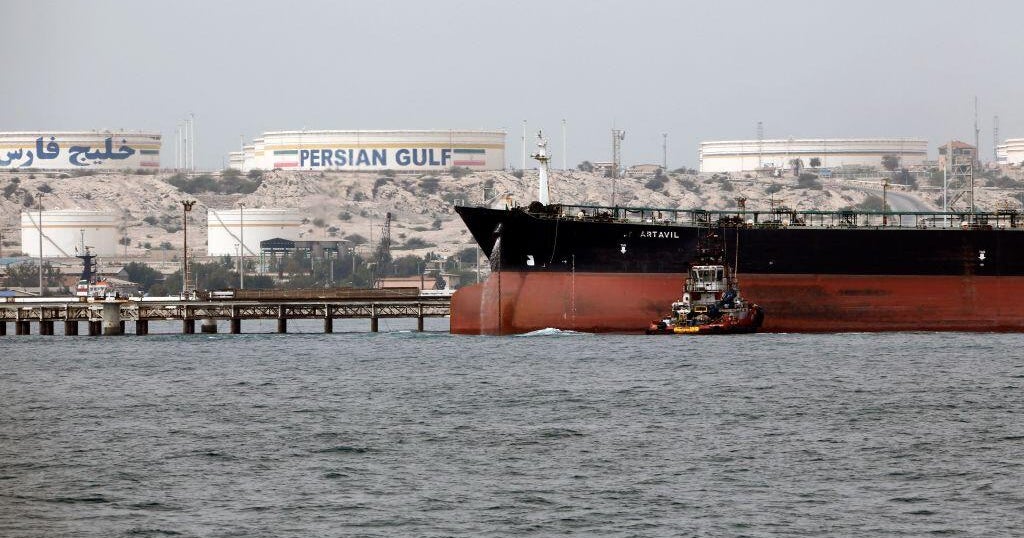
The communique itself was sparse on numbers. It called on the International Monetary Fund and the World Bank to "accelerate concessional financing for low-income importers" hit by the oil price spike and asked the IMF to expand its Catastrophe Containment and Relief Trust by an additional $5 billion. It contained no explicit reference to Iran, instead criticizing in coded language "destabilising actions in the Middle East that threaten freedom of navigation in international waters." Japan, which led the linguistic negotiations on that paragraph, opposed naming Tehran directly out of concern for the safety of Japanese-flagged vessels transiting the Strait of Hormuz.
Markets received the communique with relief but not enthusiasm. Brent crude closed at $101.84 on the New York Mercantile Exchange, down $1.40 on the day. The MSCI All-Country World Index ticked up 0.3%. The dollar weakened slightly against the euro and the yen. "The G7 message is essentially: hold the line, don't blink, but also don't panic-spend," wrote Krishna Guha, vice chair of Evercore ISI, in a note to clients. "Whether that holds depends entirely on whether Iran retaliates and whether oil heads to $130 or back to $80."