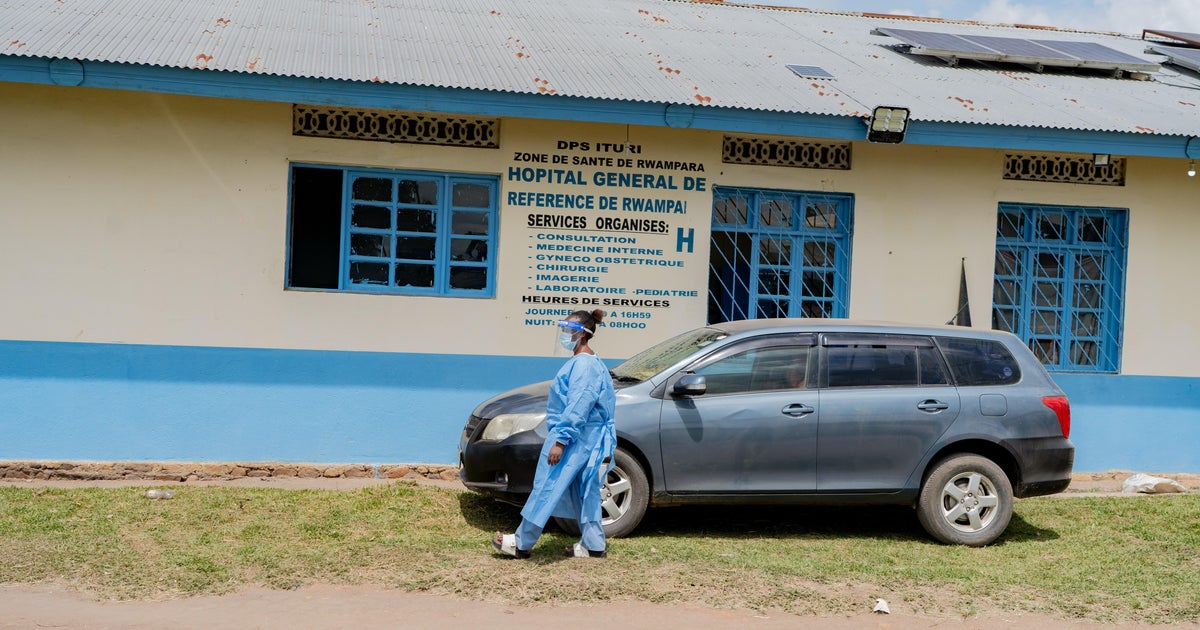
World Health Organization Declares Ebola Outbreak in Democratic Republic of Congo and Uganda a Public Health Emergency of International Concern as Bundibugyo Strain Spreads to Kinshasa
WHO Director-General Tedros Adhanom Ghebreyesus invoked the agency’s highest alarm Sunday after eight confirmed cases, 246 suspected cases and 80 suspected deaths surfaced in Ituri Province, with cross-border spread to western Uganda and no approved vaccine or treatment for the Bundibugyo strain.
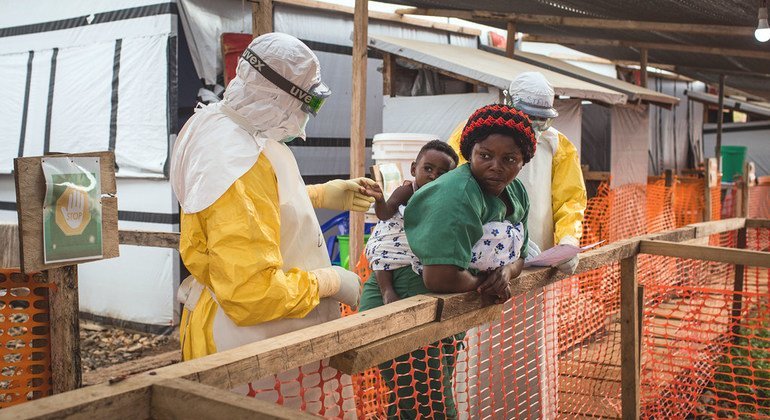
GENEVA — The World Health Organization on Sunday declared the rapidly expanding Ebola outbreak in the Democratic Republic of the Congo and Uganda a Public Health Emergency of International Concern, the agency's highest level of alarm and the first such designation since the 2024 mpox emergency. As of May 16, health authorities had logged eight laboratory-confirmed cases, 246 suspected cases and 80 suspected deaths concentrated in Ituri Province in eastern Congo, with confirmed spread to the capital Kinshasa and across the border into western Uganda.
Laboratory analysis at the Institut National de Recherche Biomédicale in Kinshasa confirmed Bundibugyo virus disease, one of six known species of Ebola and a strain for which no licensed vaccine or therapeutic exists. "The combination of rising case numbers, cross-border spread to a country that had not seen Ebola in five years, and the very limited tools we have for Bundibugyo virus mean this outbreak cannot be managed solely within affected countries," WHO Director-General Tedros Adhanom Ghebreyesus said in his Sunday declaration. He chaired an emergency meeting of the IHR Emergency Committee on Saturday before issuing the formal determination on May 17.
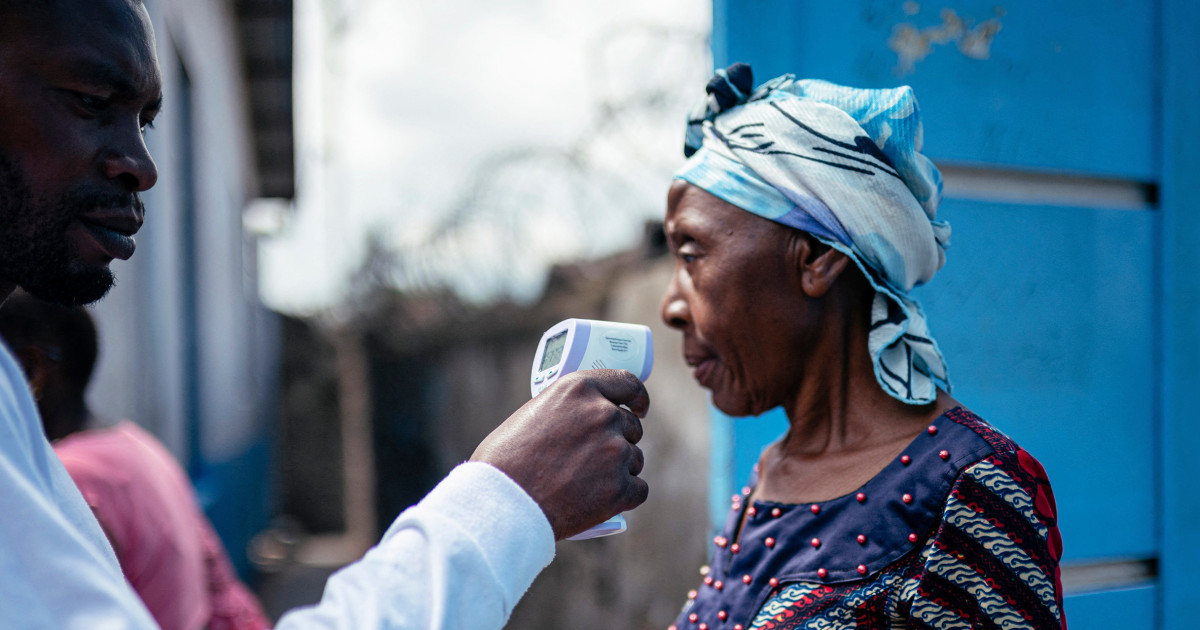
The geographic footprint is what most alarmed the committee. Ebola has now been confirmed in Ituri's Mambasa Health Zone, in the city of Kinshasa more than 1,500 kilometers to the west, and in Bundibugyo District in western Uganda, where two patients traveled by road from Congo before being admitted to intensive care. Last week, an American burn surgeon working at a Catholic relief mission in Bunia, Dr. Peter Stafford, tested positive for the virus and was evacuated to the National Institutes of Health Clinical Center in Bethesda, Maryland. The U.S. Centers for Disease Control and Prevention has activated enhanced airport screening for travelers from the DRC and Uganda at five U.S. ports of entry.
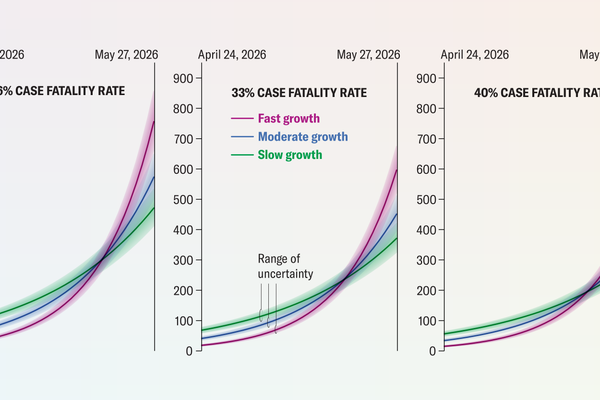
The Bundibugyo strain has caused only three previous documented outbreaks — in Uganda in 2007, in Congo in 2012 and again in Uganda in 2022 — and case-fatality rates in those outbreaks ranged between 30 and 40 percent, lower than the Zaire ebolavirus strain that drove the 2014-2016 West Africa epidemic and the 2018-2020 eastern Congo outbreak but high enough that the WHO is urgently pushing for compassionate use of two experimental monoclonal antibody cocktails developed by Mapp Biopharmaceutical and Regeneron. Neither has been tested against Bundibugyo virus in humans.
WHO has released $4 million from its Contingency Fund for Emergencies and is appealing for $52 million more from member states over the next 90 days to fund contact tracing, infection control in 14 designated treatment centers, and a community engagement campaign in Ituri, where deep distrust of central government has hampered three previous outbreak responses. The CDC said in a press release Sunday that it has deployed a 24-person team of epidemiologists and laboratory specialists to Kinshasa and Kampala. Tedros stressed that the global risk to populations outside the immediate region remains low.