SpaceX Crew-13 Launches to the Space Station in the Fastest U.S. Trip Yet, With a 100-Year-Old Watch Aboard
NASA's Jessica Watkins, Luke Delaney, Canada's Joshua Kutryk and Russia's Sergey Teteryatnikov lifted off from Cape Canaveral despite weather worries.
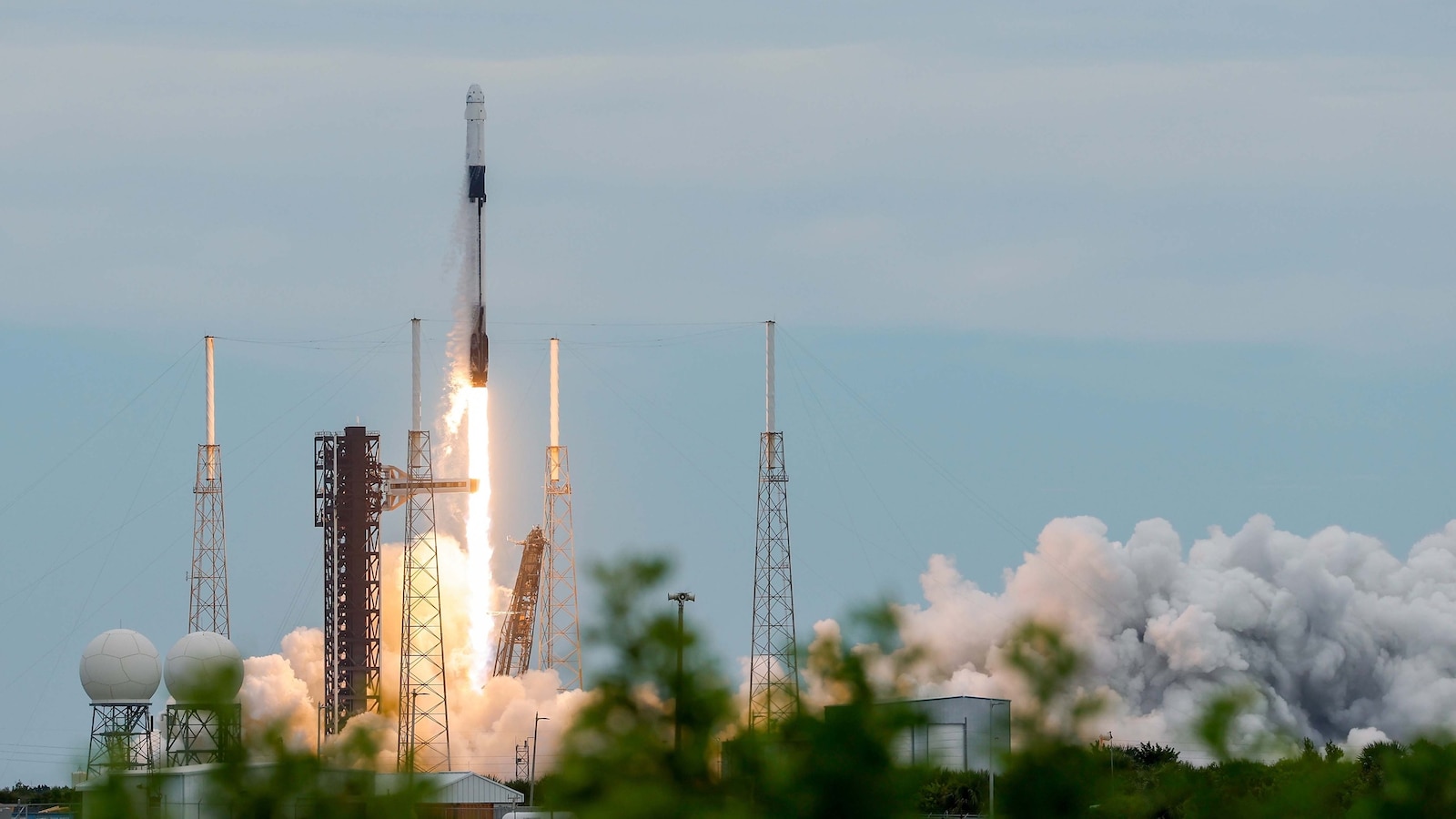
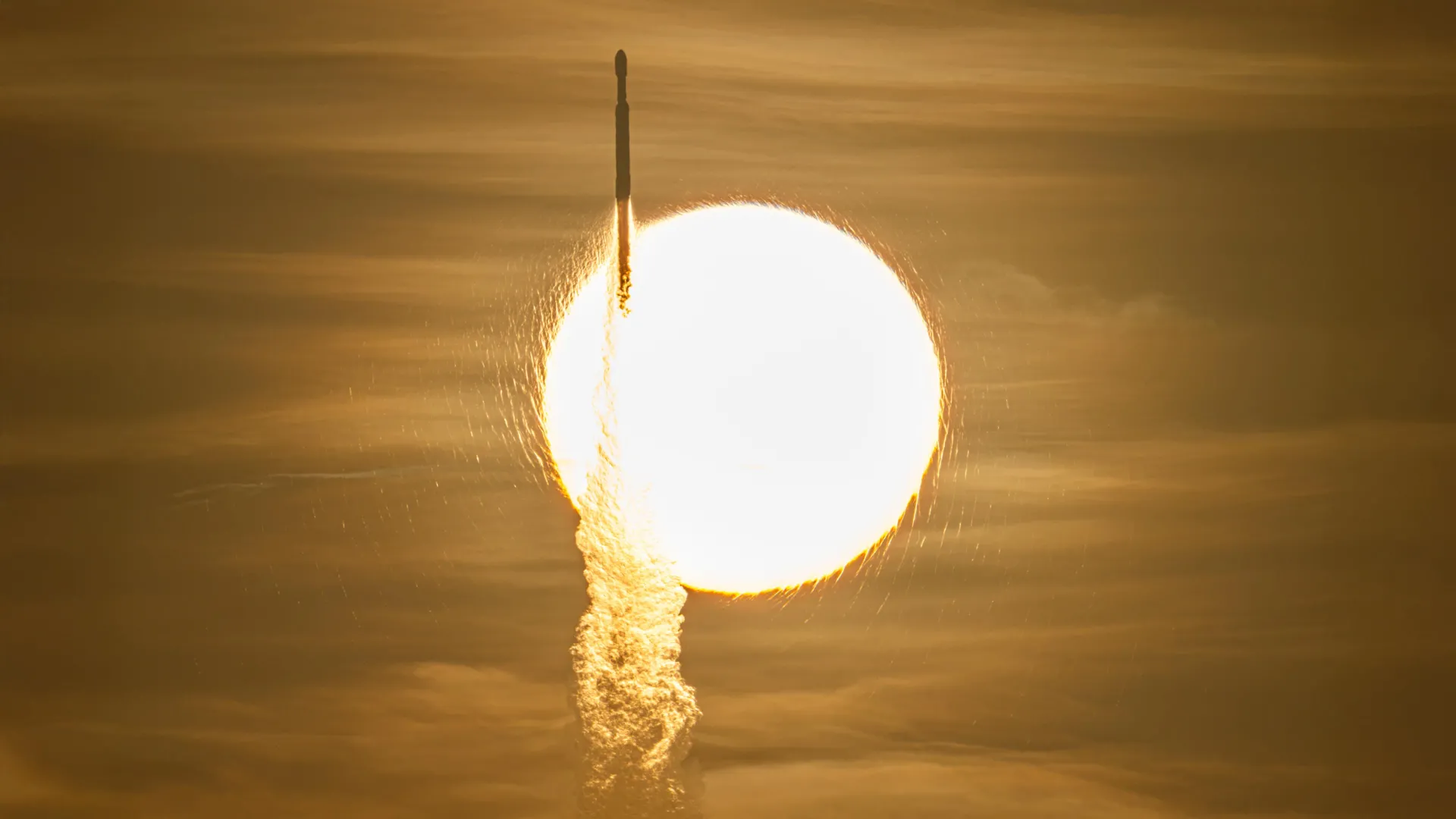
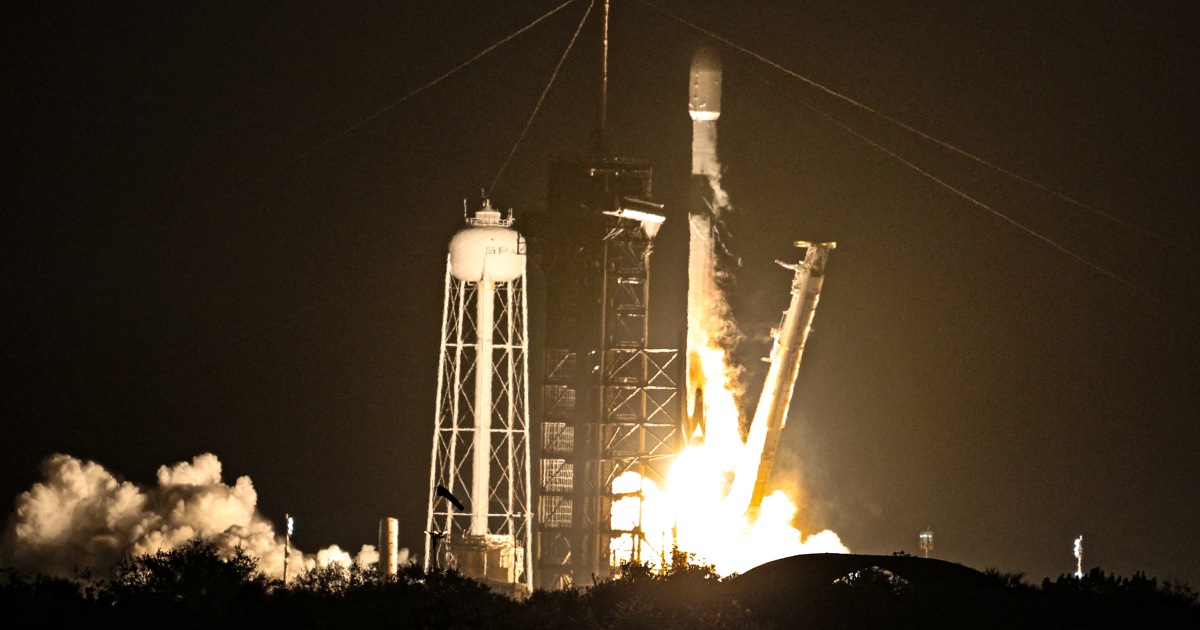
A SpaceX Falcon 9 rocket carrying four astronauts lifted off from Cape Canaveral Space Force Station in Florida at 11:10 a.m. ET on Thursday, beginning NASA's Crew-13 mission to the International Space Station. The launch went ahead despite concerns about bad weather.
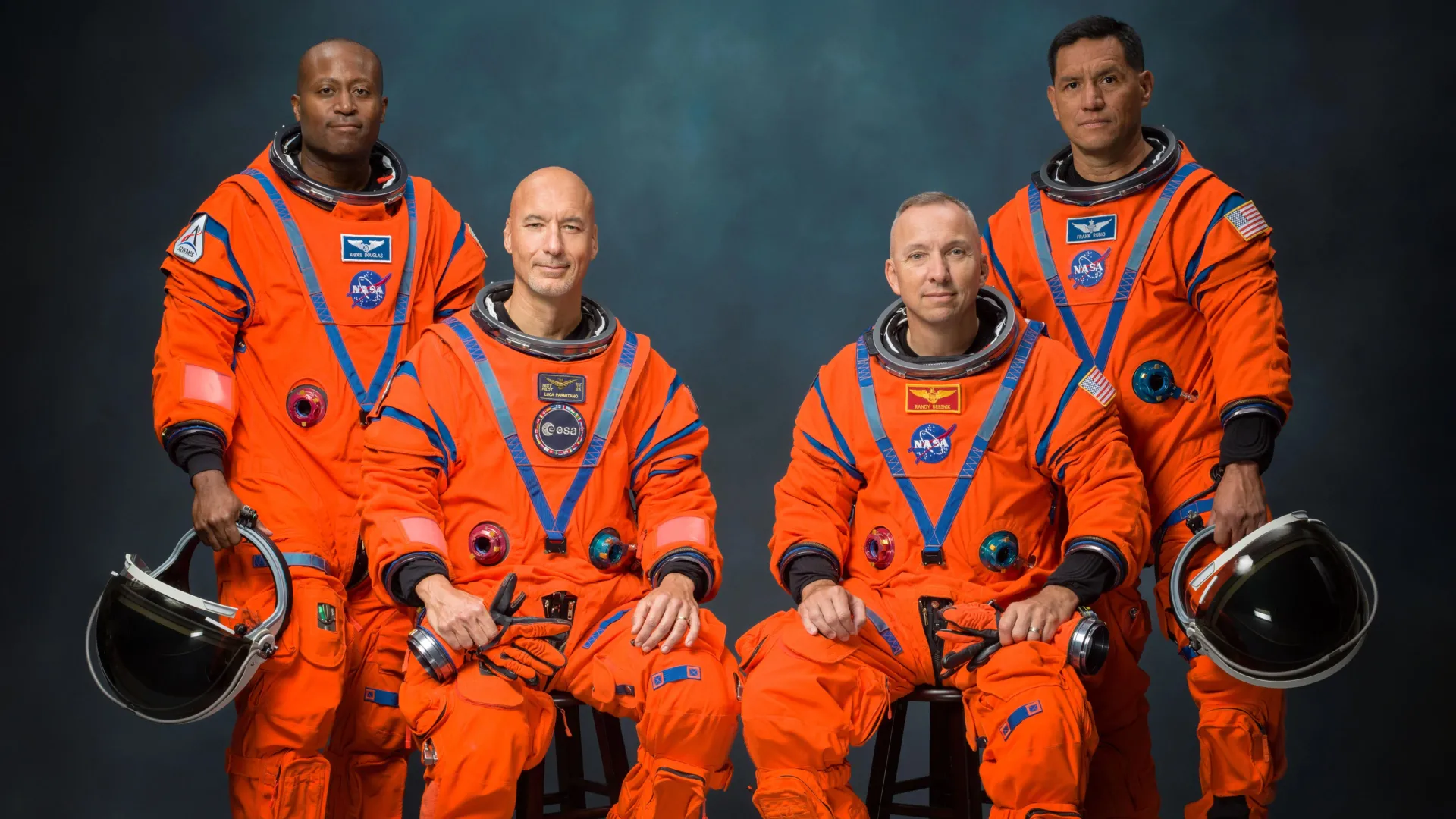
The crew is NASA astronauts Jessica Watkins and Luke Delaney, Canadian Space Agency astronaut Joshua Kutryk, and Roscosmos cosmonaut Sergey Teteryatnikov. Watkins is the commander and is set to become the first NASA astronaut to launch aboard a Crew Dragon for a second time. Kutryk and Teteryatnikov are both making their first trip to space.
Their capsule is named Grace, the fifth and final Dragon spacecraft SpaceX built. NASA and SpaceX say this will be the fastest trip to the station by an American spacecraft. Docking was scheduled for about 7:00 p.m. ET, roughly seven hours and 50 minutes after liftoff, with the hatch opening around 8:45 p.m.
Kutryk brought a family keepsake: a pocket watch more than 100 years old. A fourth-generation Ukrainian Canadian, he joked that "I need a watch to tell time," and said the watch also stands for the progress his family has made across generations.
The four will spend about six months on the station. Their research list includes work on heart disease, Parkinson's disease, crop production and abnormal blood flow, all areas where the microgravity environment lets scientists see processes that gravity masks on the ground.
The new crew replaces Crew-12, which has been aboard since February. Those astronauts could return to Earth as early as October 5, after a handover period in which the two crews work side by side so that the departing group can pass along how the station's systems and ongoing experiments are running.
The mission also shows how routine commercial crew flights have become. NASA has relied on SpaceX to ferry astronauts to the station since 2020, and the faster ride reflects refinements in how the Dragon is steered and timed to catch the orbiting outpost. A shorter trip means less time strapped into a small capsule before arriving, which crews have long said matters for comfort.
Crew-13 is also notable for who is flying. Watkins, the mission commander, is the first NASA astronaut to launch aboard a Crew Dragon twice, which gives the crew an experienced hand in command. For Kutryk, the flight is the first of his career and a milestone for the Canadian Space Agency, whose astronauts rely on seats negotiated with NASA to reach orbit.
The capsule's name, Grace, follows the practice of Dragon crews naming their own spacecraft. Grace is the fifth and final Dragon spacecraft SpaceX built.