NASA’s Roman Telescope Is on Its Way to a Point a Million Miles Out. It Will Send Home 1.4 Terabytes a Day
The Nancy Grace Roman Space Telescope lifted off on a Falcon Heavy at 7:26 a.m. on August 30. Its 300-megapixel infrared camera surveys the sky about 1,000 times faster than Hubble.
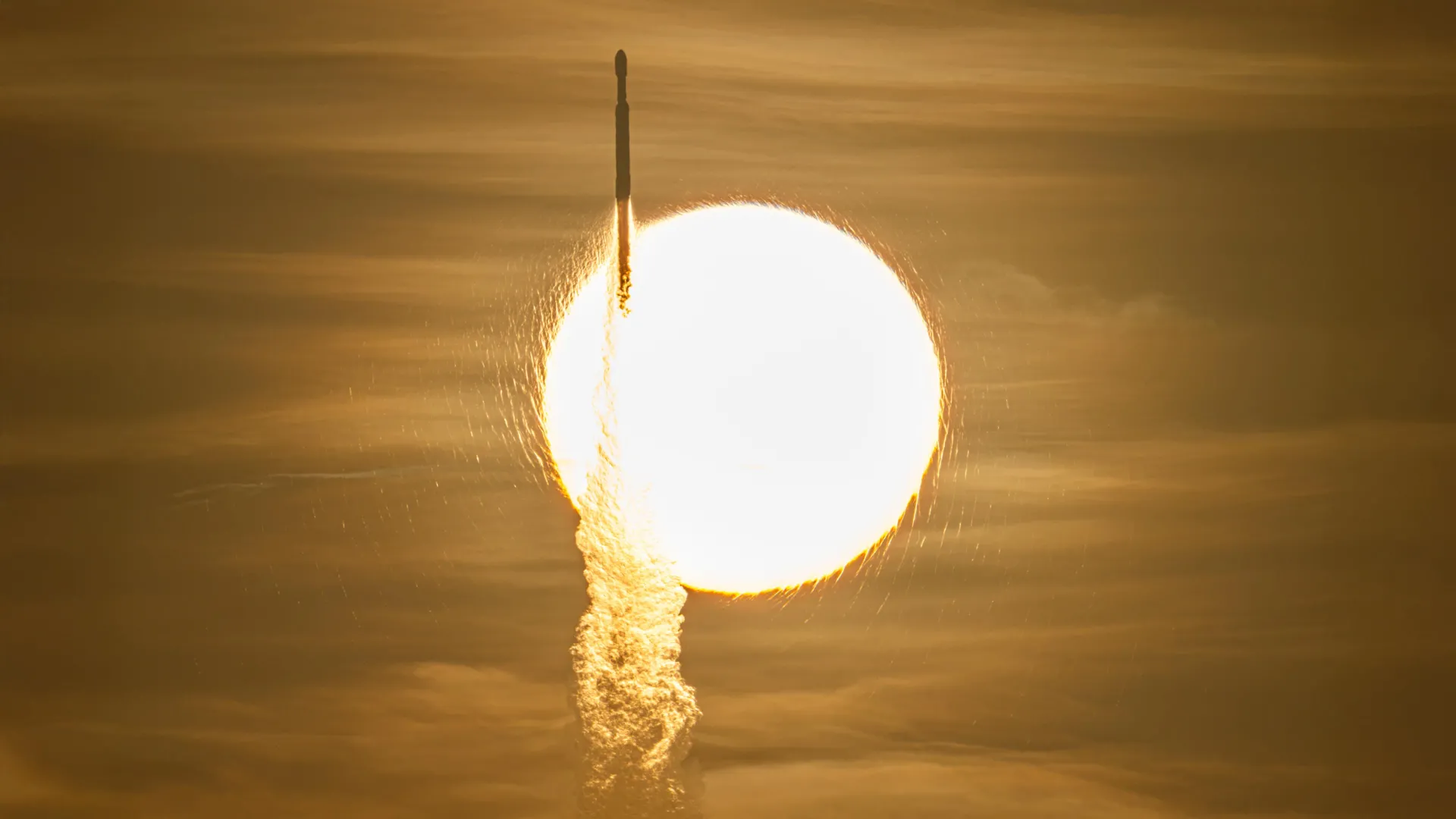
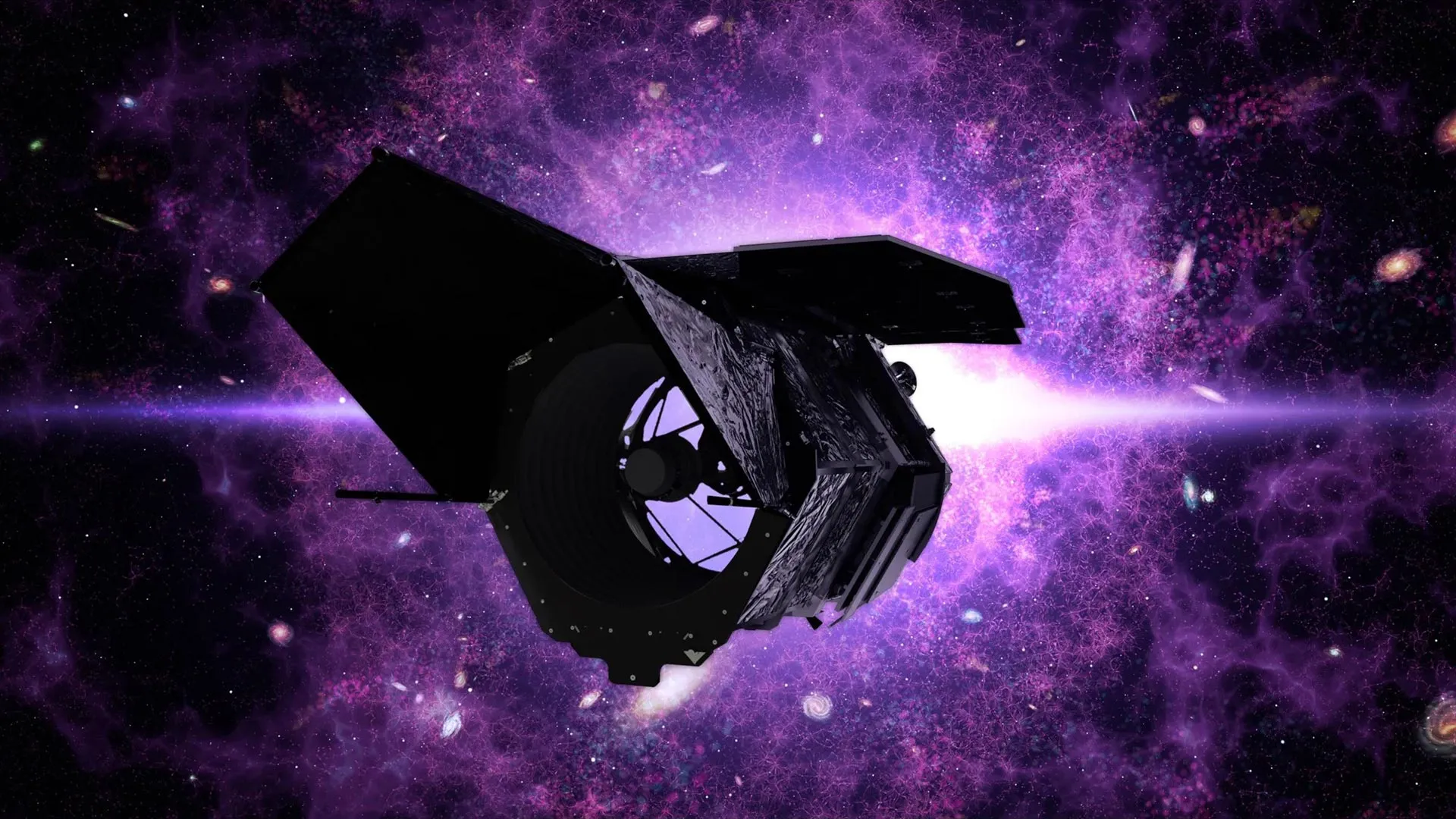
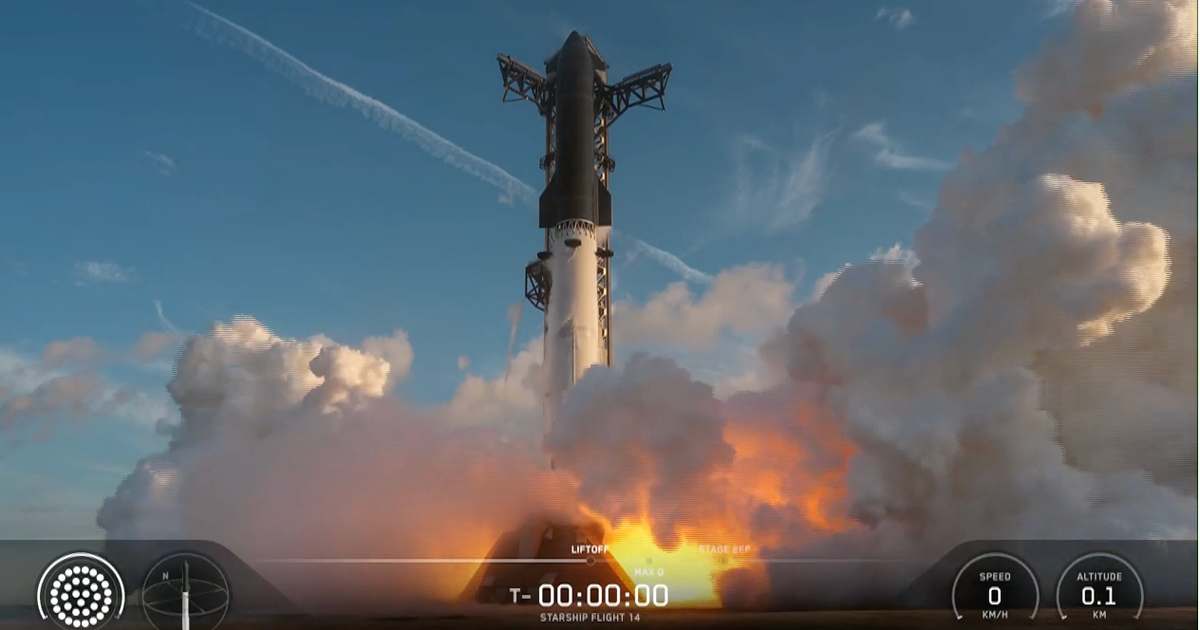
NASA's Nancy Grace Roman Space Telescope left Earth at 7:26 a.m. EDT on August 30, riding a SpaceX Falcon Heavy off Launch Complex 39A at Kennedy Space Center in Florida. It is now three months into a journey of roughly one million miles to the second Sun-Earth Lagrange point, the gravitational parking spot where the James Webb Space Telescope also sits and where an observatory can hold station using very little fuel.
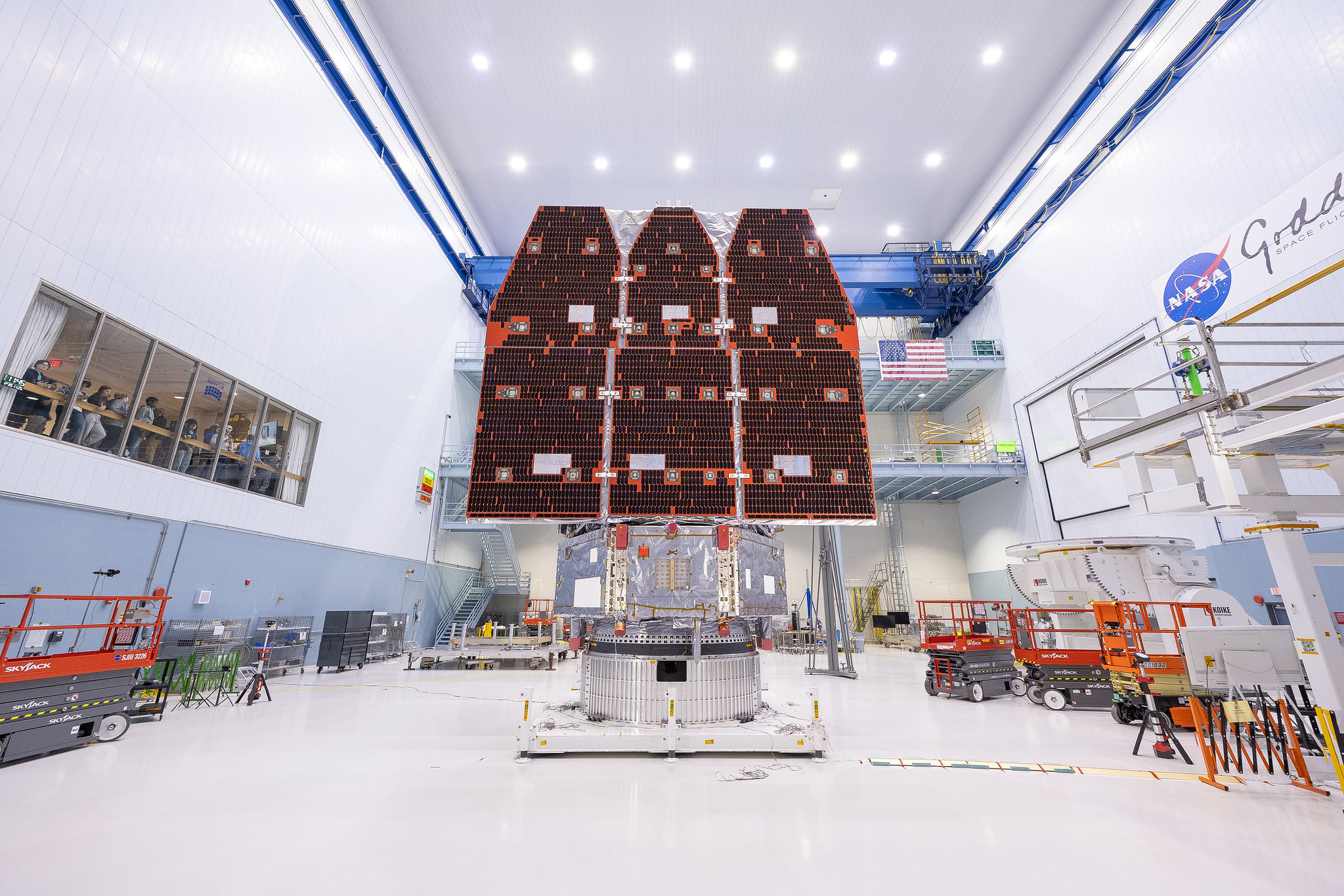
The launch went cleanly. The rocket's center core separated 31 minutes after liftoff and both side boosters flew back for refurbishment. Roman deployed its solar panels 83 minutes into the flight, the first hard confirmation that the spacecraft was alive and powered on its own.
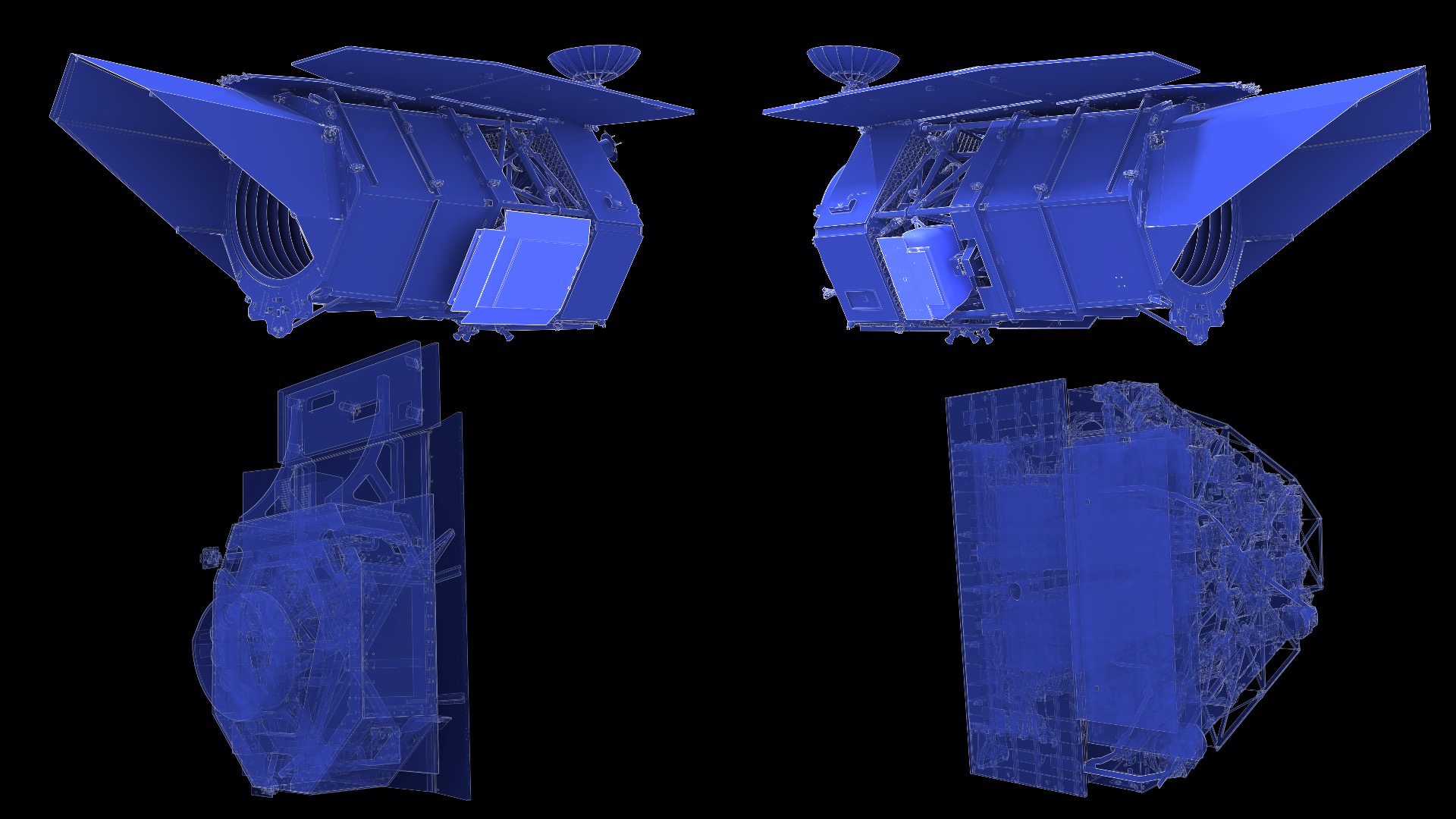
The instrument that matters most is the Wide Field Instrument, a 300-megapixel infrared camera built around eighteen 4K detectors. It gives Roman a field of view vastly larger than Hubble's while holding comparable image sharpness, which is the whole point: the telescope can survey the sky roughly 1,000 times faster than Hubble can. Rather than staring at single targets, Roman is designed to sweep enormous areas repeatedly and let statistics do the work. A second instrument, the Coronagraph, blocks the light of a star so the telescope can directly image planets down to roughly Jupiter's size — a technology demonstration for the far harder job of photographing an Earth-like world.
That survey strategy points at the two questions the mission was built around. Roman will map how cosmic structure grew over billions of years, which is the most direct handle astronomers have on dark energy and the distribution of dark matter, and it will use gravitational microlensing to find planets that transit surveys systematically miss — worlds in wide orbits, and free-floating planets bound to no star at all. The data volume is unprecedented for the agency: about 1.4 terabytes a day, the highest daily downlink rate of any NASA astrophysics mission.
"Delivered ahead of schedule and on budget," NASA Administrator Jared Isaacman said of the observatory, crediting "more than a decade of dedication." Roman was assembled with hardware from BAE Systems, L3Harris Technologies and Teledyne Scientific & Imaging, with contributions from the European Space Agency, Japan's JAXA, France's CNES and the Max Planck Institute.
Commissioning begins once Roman reaches L2 and its optics cool to operating temperature. NASA expects the first images in early 2027, followed by the start of the core surveys that will occupy most of the telescope's five-year primary mission.