NASA's Roman Space Telescope Switches On Its 300-Megapixel Camera and Sees First Starlight
The first test image shows stars as blurry rings, exactly as expected. Sharp pictures are still months away, and science operations are set for 2027.
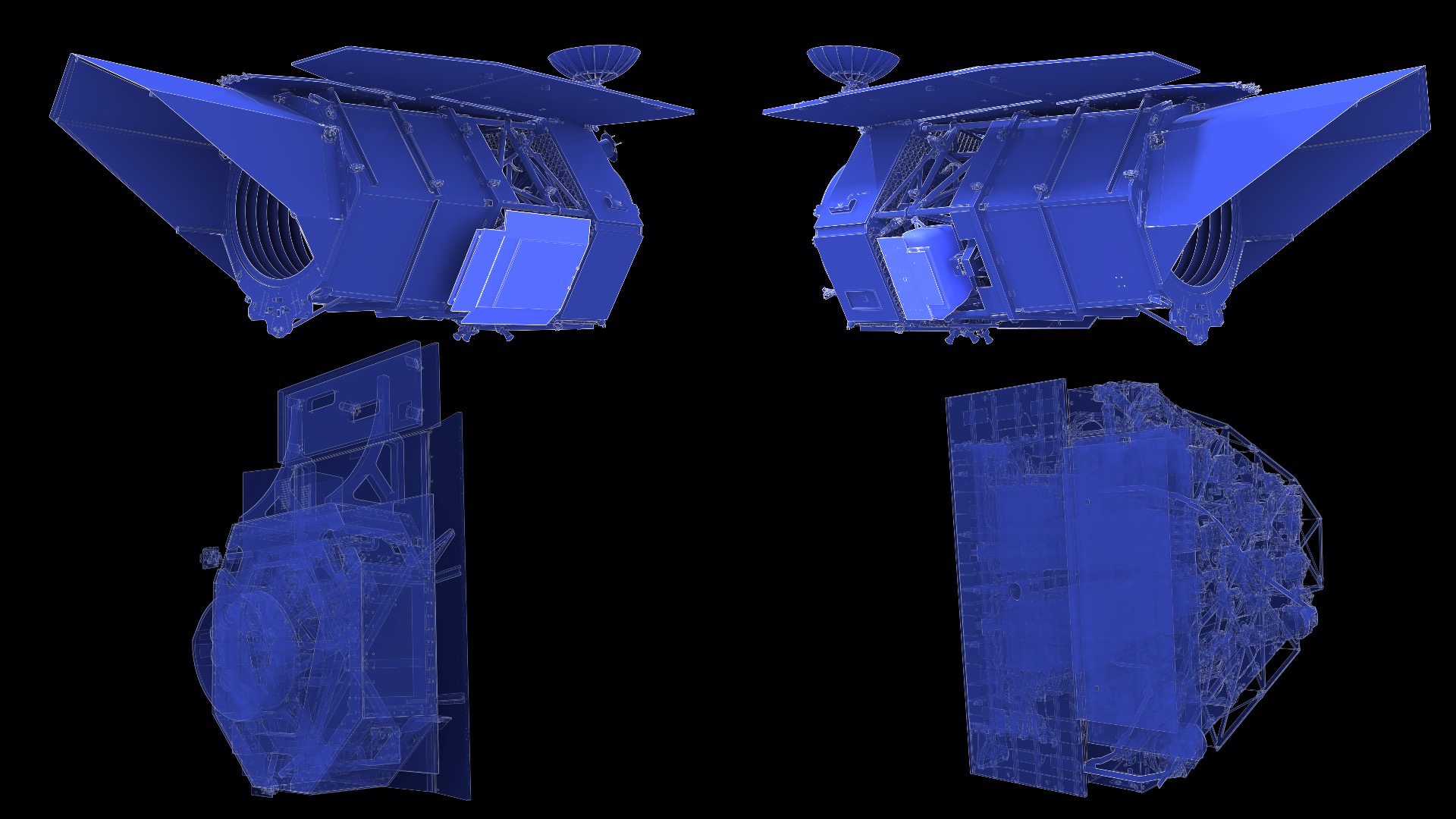
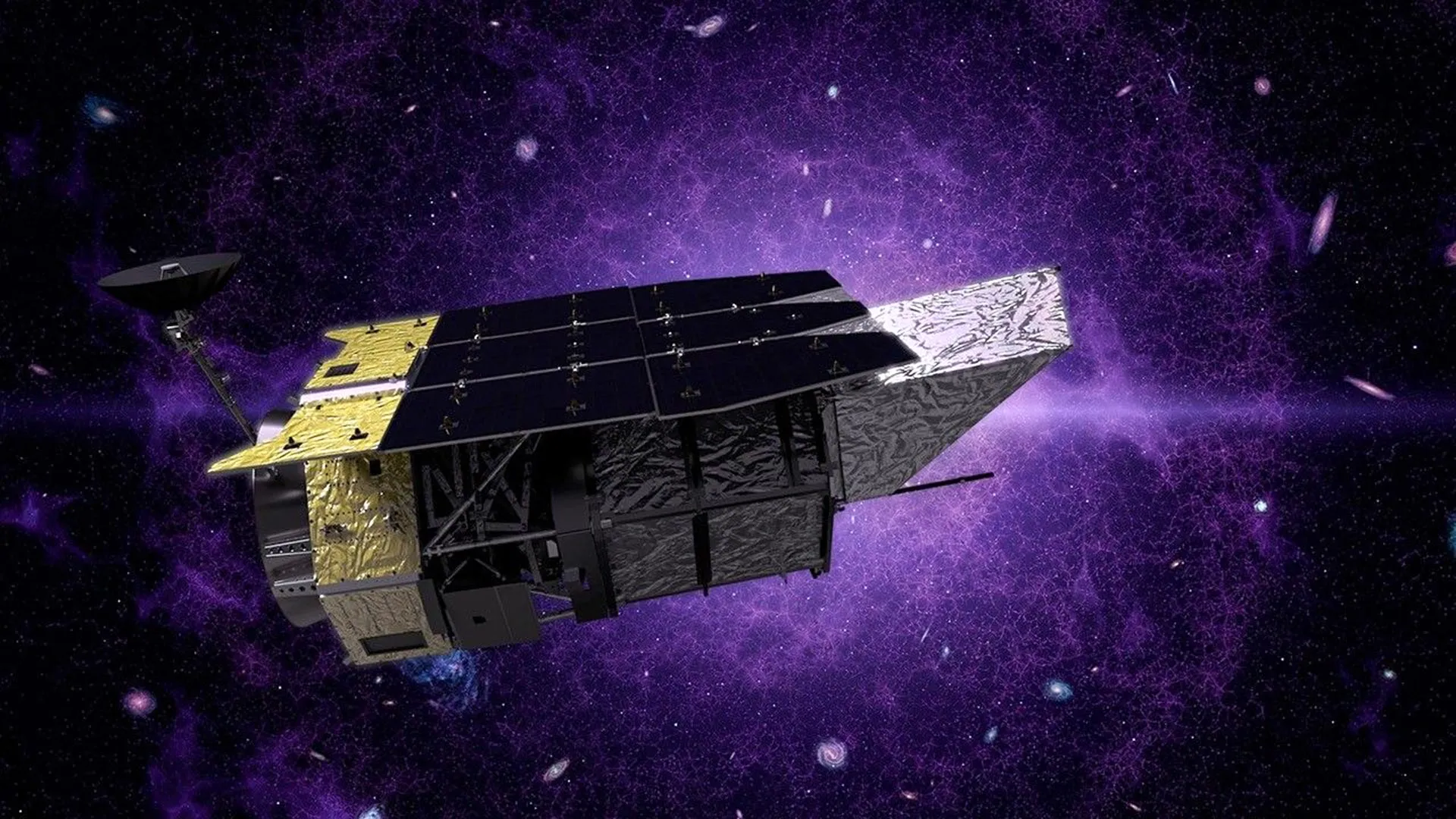
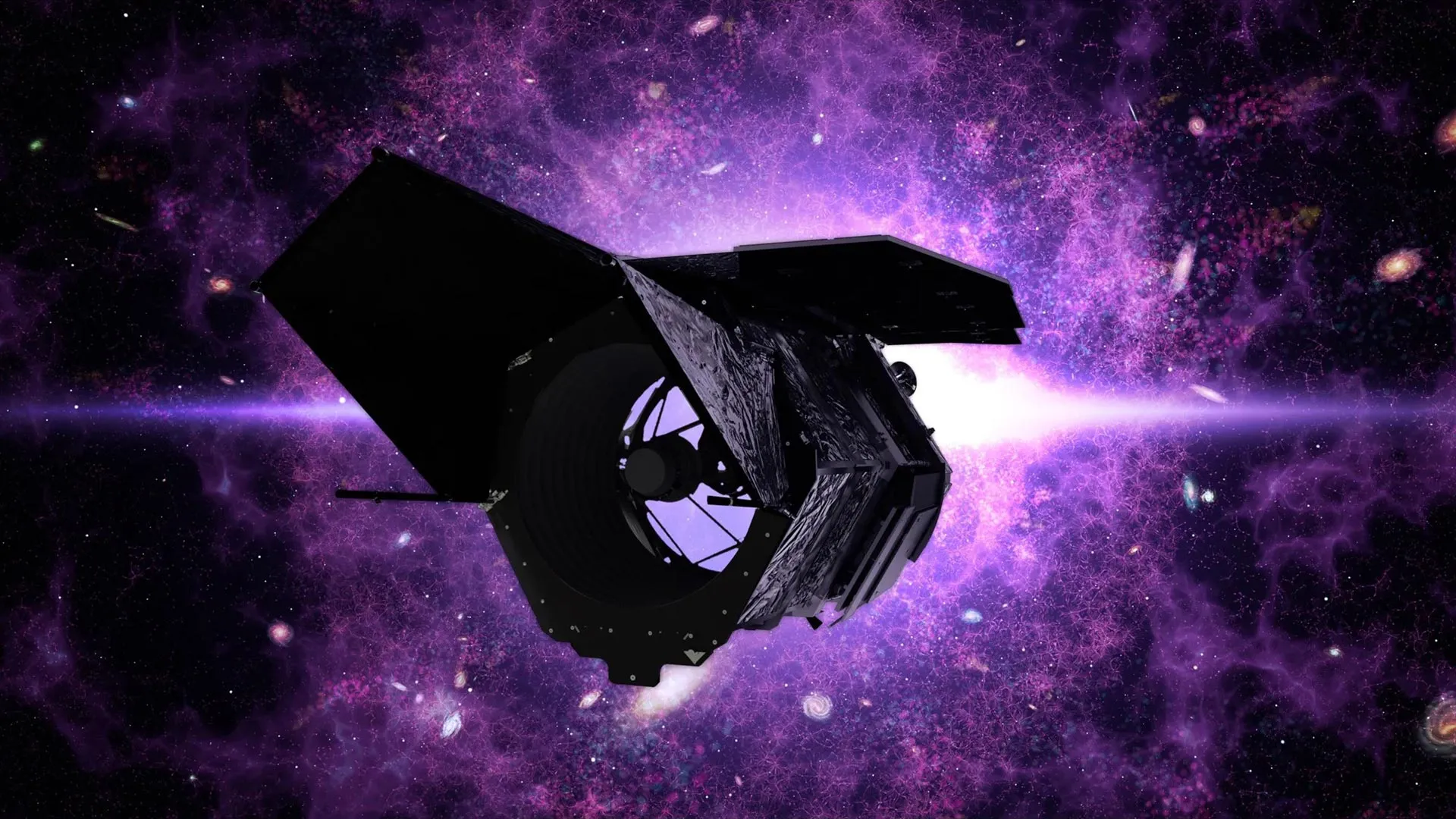
NASA's Nancy Grace Roman Space Telescope has switched on its main science camera and caught its first starlight, confirming that the instrument survived launch and works in space.
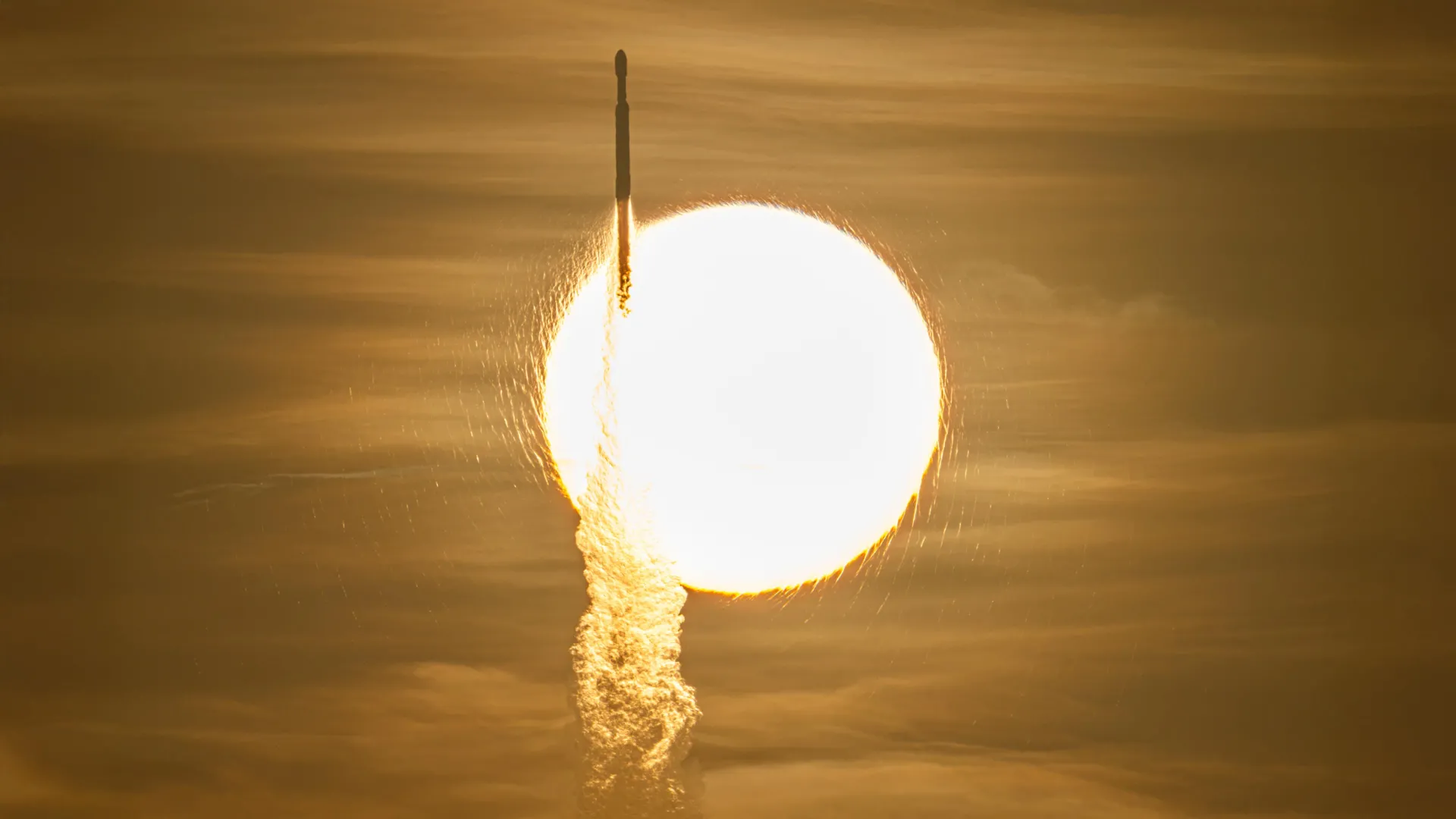
The telescope launched on August 30, 2026. Engineers activated the Wide Field Instrument, a 300-megapixel infrared camera, on September 11. The first test image shows hundreds of stars as green rings of light, according to NASA's account of the checkout.
The rings are not a flaw. Like Hubble, Roman collects light with a large primary mirror and a smaller secondary mirror mounted in front of it. The secondary blocks the center of the incoming beam, so when a star is badly out of focus, the missing center shows up as a dark hole. Engineers will spend the next few months tuning the focus before the images sharpen.
"After years of effort to build and test the instrument on the ground, we now have confirmation that it is operational in space," said Josh Schlieder, a scientist on the Wide Field Instrument team, as quoted by Scientific American. Engineers have already activated the camera's calibration system, its light-filtering devices and its focus mechanism, and all of them are working as expected.
NASA also checked out Roman's coronagraph, an instrument that blocks the glare of a star so that a planet next to it can be seen directly. That check went as planned too.
Once tuned, each image from the camera will capture a patch of sky larger than the apparent size of the full Moon while keeping the sharpness of space telescopes like Hubble. NASA says Roman will study more than 50 times the sky area in five years that Hubble covered in its 30-year record. The camera works at about minus 300 degrees Fahrenheit, cold enough that the telescope's own heat does not swamp faint infrared light.
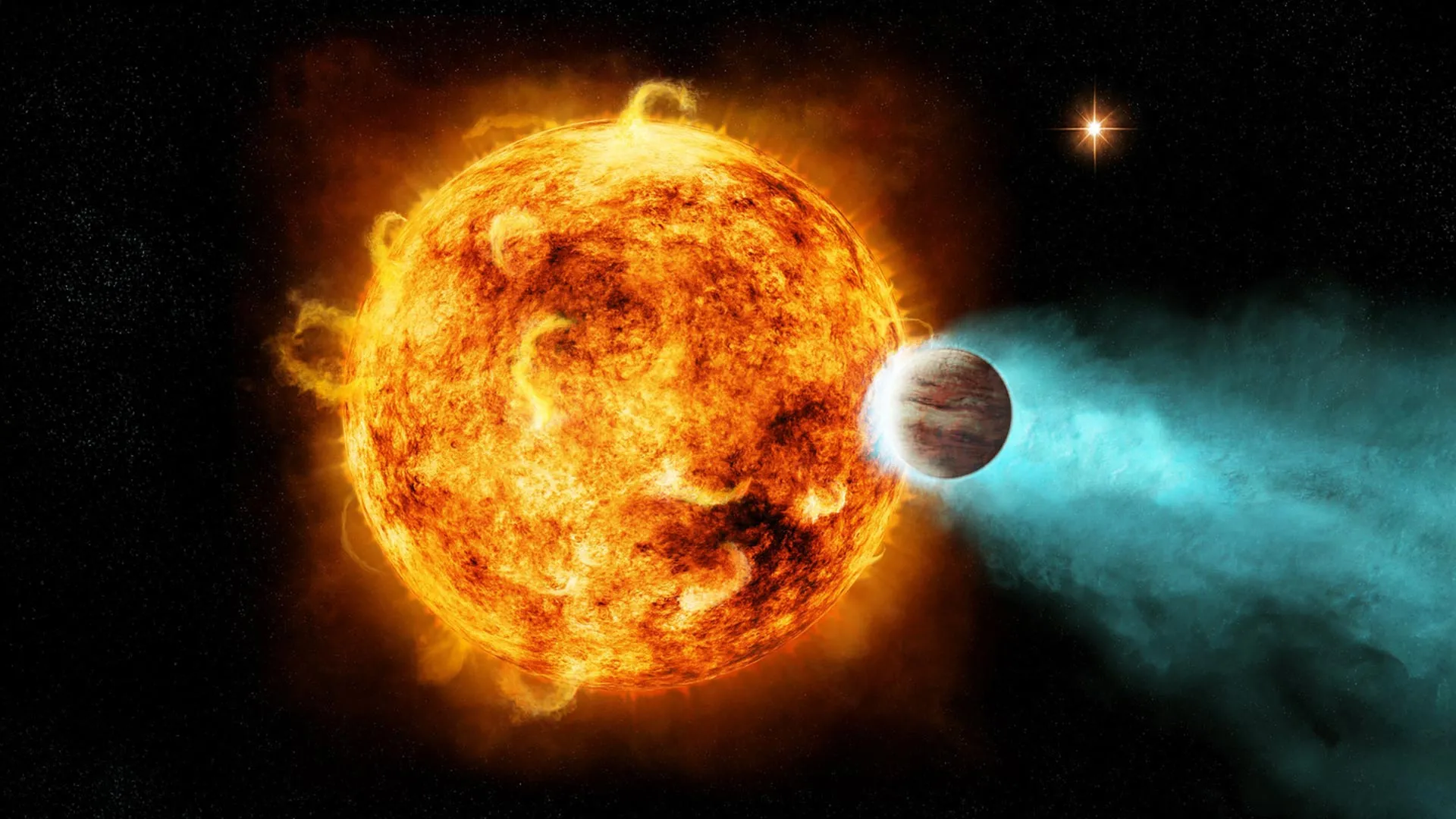
The mission's targets include thousands of new planets around other stars, the structure of the Milky Way, and the nature of dark matter and dark energy, the two ingredients that together make up most of the universe but have never been directly identified.
NASA says the first sharp images are expected around the holiday season, and science operations are scheduled to begin in early 2027. Until then the team will keep working through a long list of checkouts, each of which has to pass before the telescope can start its survey.
Roman is designed as a survey machine. Where Hubble looks closely at chosen targets, Roman is meant to scan huge areas quickly, which is what allows astronomers to count galaxies, map dark matter through its gravity and watch for the faint dimming of distant stars as planets pass in front of them.