NASA's Roman Telescope Could Unveil Millions of Hidden Neutron Stars Drifting Through the Milky Way
A new Astronomy & Astrophysics study finds that the soon-to-launch Nancy Grace Roman Space Telescope will be sensitive enough to weigh isolated neutron stars through gravitational microlensing, finally cataloguing the city-sized stellar corpses that have eluded detection for nearly a century.
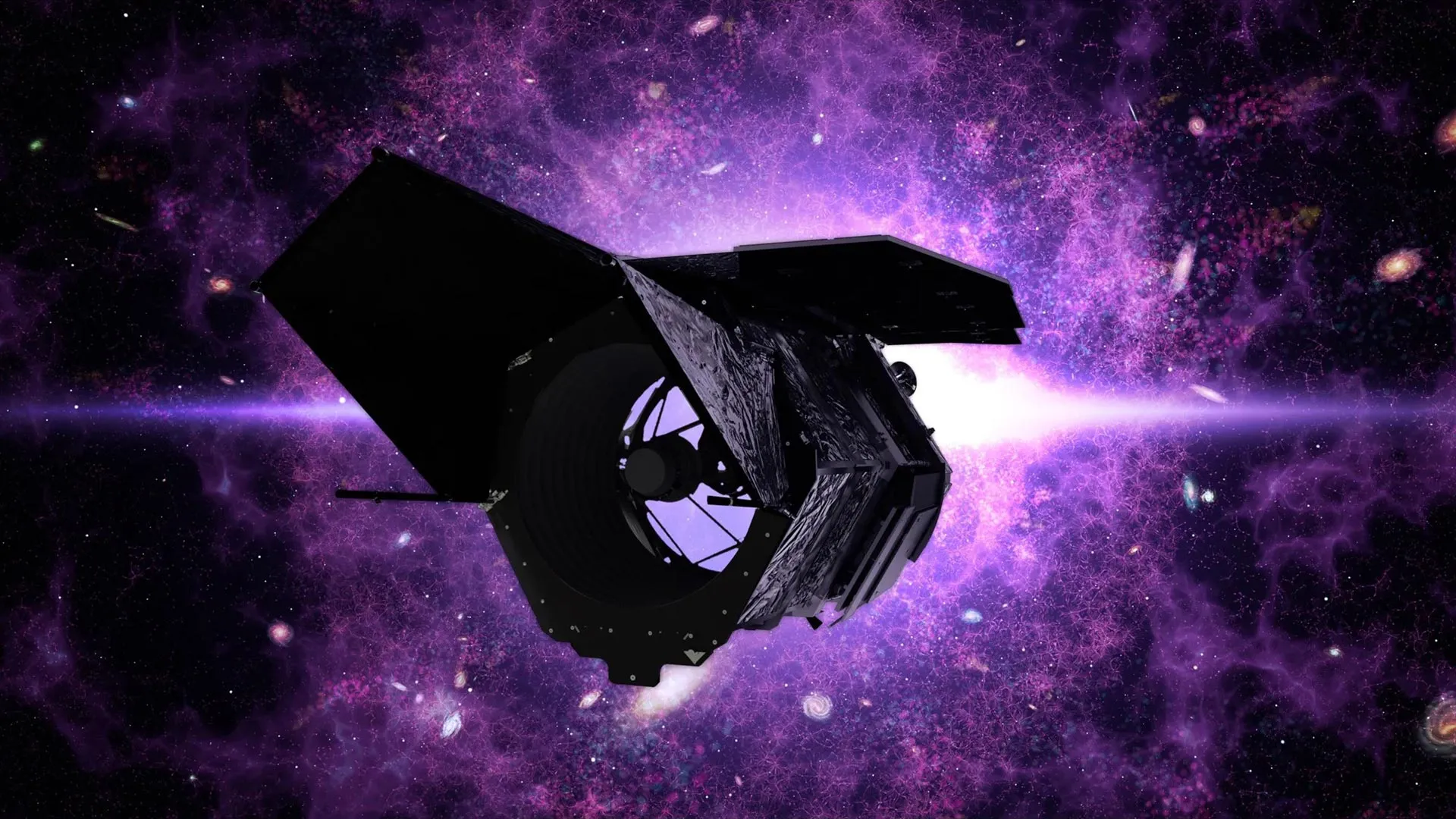
GREENBELT, Md. — NASA's Nancy Grace Roman Space Telescope, due to launch as early as September, could expose a vast and largely invisible population of neutron stars drifting unseen through the Milky Way, according to a new study that says the observatory's wide-field cameras will be sensitive enough to weigh isolated stellar corpses as small as a city.
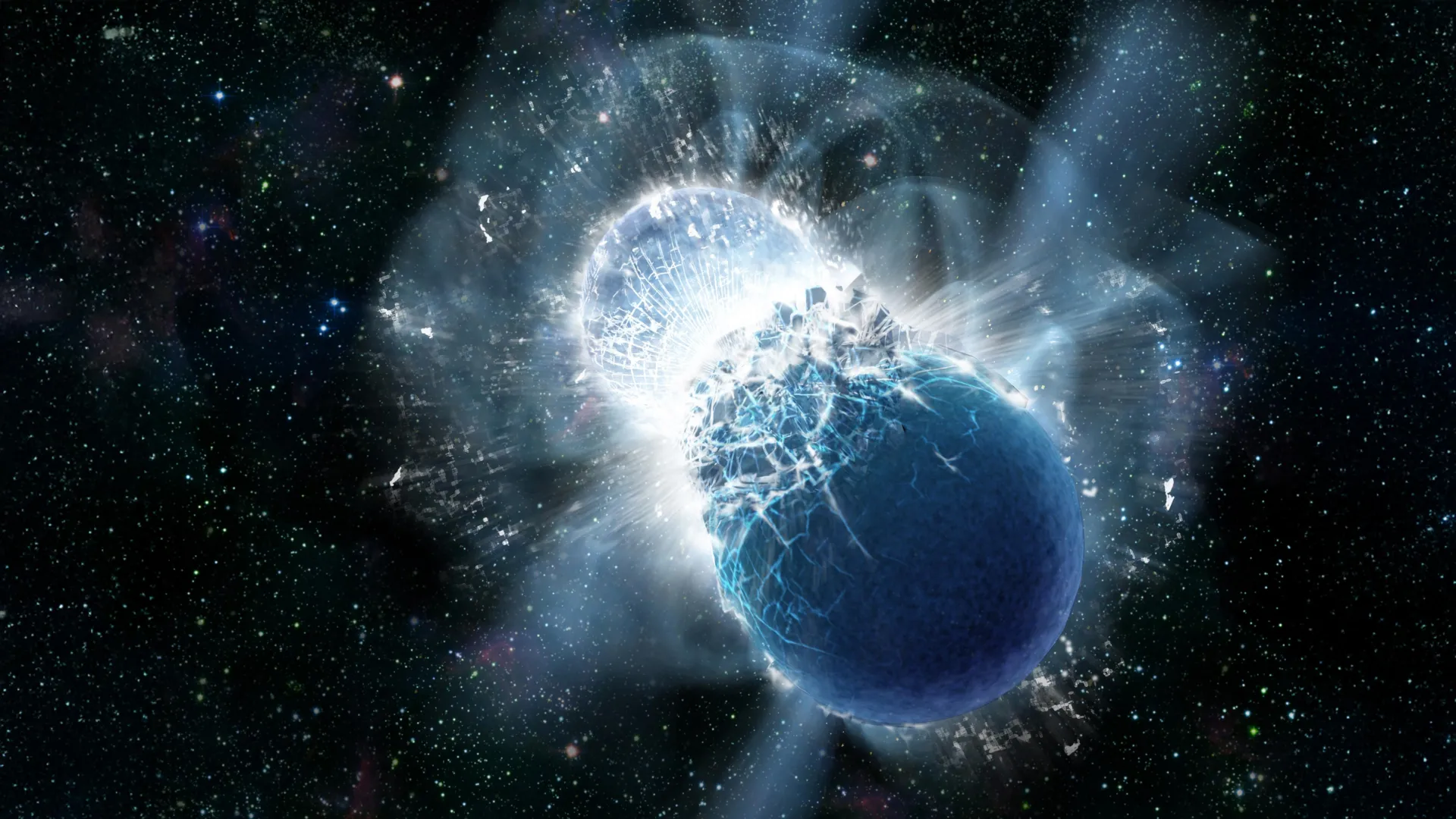
The paper, published this week in the journal Astronomy & Astrophysics by a team led by astronomers at the Space Telescope Science Institute in Baltimore and the University of Notre Dame, concludes that Roman will be able to identify and precisely measure the mass of dozens of "naked" neutron stars — the ultra-dense, magnetically tortured remnants of supernova explosions that emit no light of their own — through an effect called gravitational microlensing.
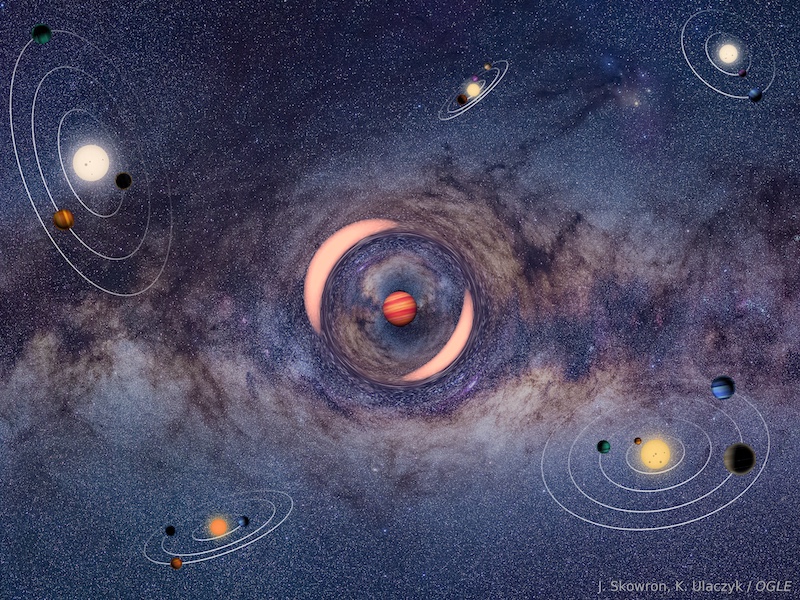
Microlensing occurs when a foreground object's gravity bends and amplifies the light of a distant background star. Most existing surveys can spot the temporary brightening but cannot tell what the lensing object is. Roman, with its sharper optical resolution and the ability to simultaneously measure both the brightening of the background star (photometry) and the tiny apparent shift in its position (astrometry), can solve for the mass and distance of the lens — converting an otherwise anonymous gravitational tug into a definitive identification of a neutron star.
"For the first time we will have a tool that can find isolated neutron stars in numbers," said Casey Lam, an astrophysicist at the University of California, Berkeley, and a co-author of the study. "Right now, of the estimated one billion neutron stars in our galaxy, fewer than 4,000 have been catalogued, and almost all of those are pulsars that happen to point a radio beam at Earth." The rest, she said, drift through the galaxy at speeds of hundreds of kilometers a second, kicked out of their supernovae by asymmetric explosions, and have remained essentially undetectable since they were first theorized in 1934.
The study, based on Hubble Space Telescope reconnaissance imagery of the dense star fields near the galactic bulge, predicts Roman will deliver mass measurements for between 12 and 32 isolated neutron stars during its planned five-year galactic-bulge survey, with an accuracy of better than 10 percent for the brightest microlensing events. That precision is critical for testing the most exotic models of how matter behaves when packed to nuclear densities; the upper limit on a neutron star's mass — currently believed to lie somewhere between two and three times the mass of the sun — determines the dividing line between a neutron star and a black hole.
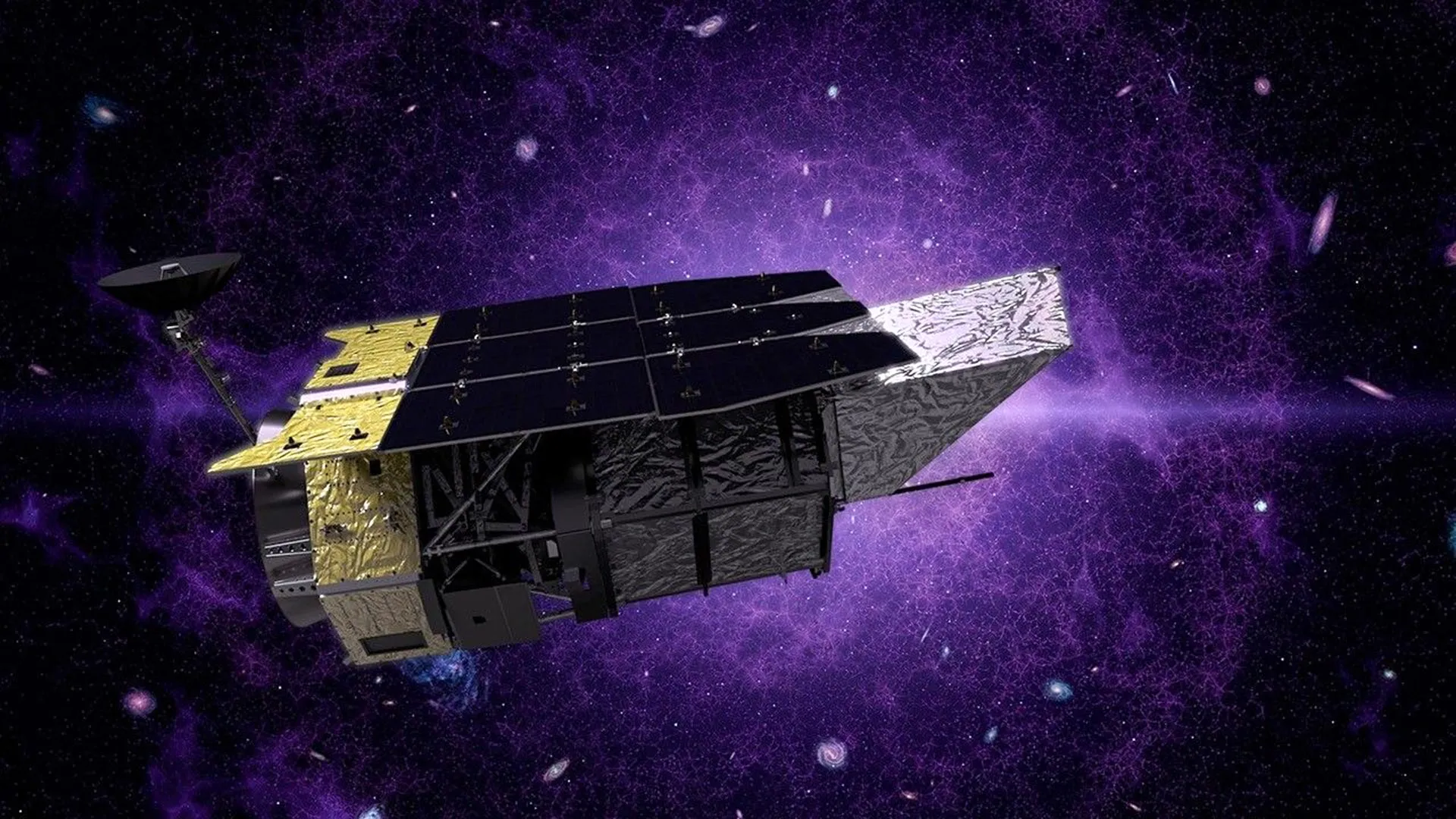
Roman, named for NASA's first chief astronomer, was developed at the Goddard Space Flight Center in Greenbelt at a cost of roughly $4.3 billion. It carries a 2.4-meter mirror identical to Hubble's but with a field of view 100 times larger, allowing it to monitor a patch of sky containing more than 100 million stars at a time. NASA confirmed Tuesday that the spacecraft has completed thermal-vacuum testing at Goddard and is on track for a launch on a SpaceX Falcon Heavy from Cape Canaveral no earlier than Sept. 4. The bulge microlensing survey is scheduled to begin in its second year on orbit and will be conducted in 72-day observing seasons twice a year for the life of the mission.