NASA Unveils Fully Assembled Roman Space Telescope That Will Survey the Universe 1,000 Times Faster Than Hubble
The observatory, scheduled for launch as early as fall 2026, carries a field of view 100 times wider than Hubble's to hunt dark matter, dark energy, and distant worlds.
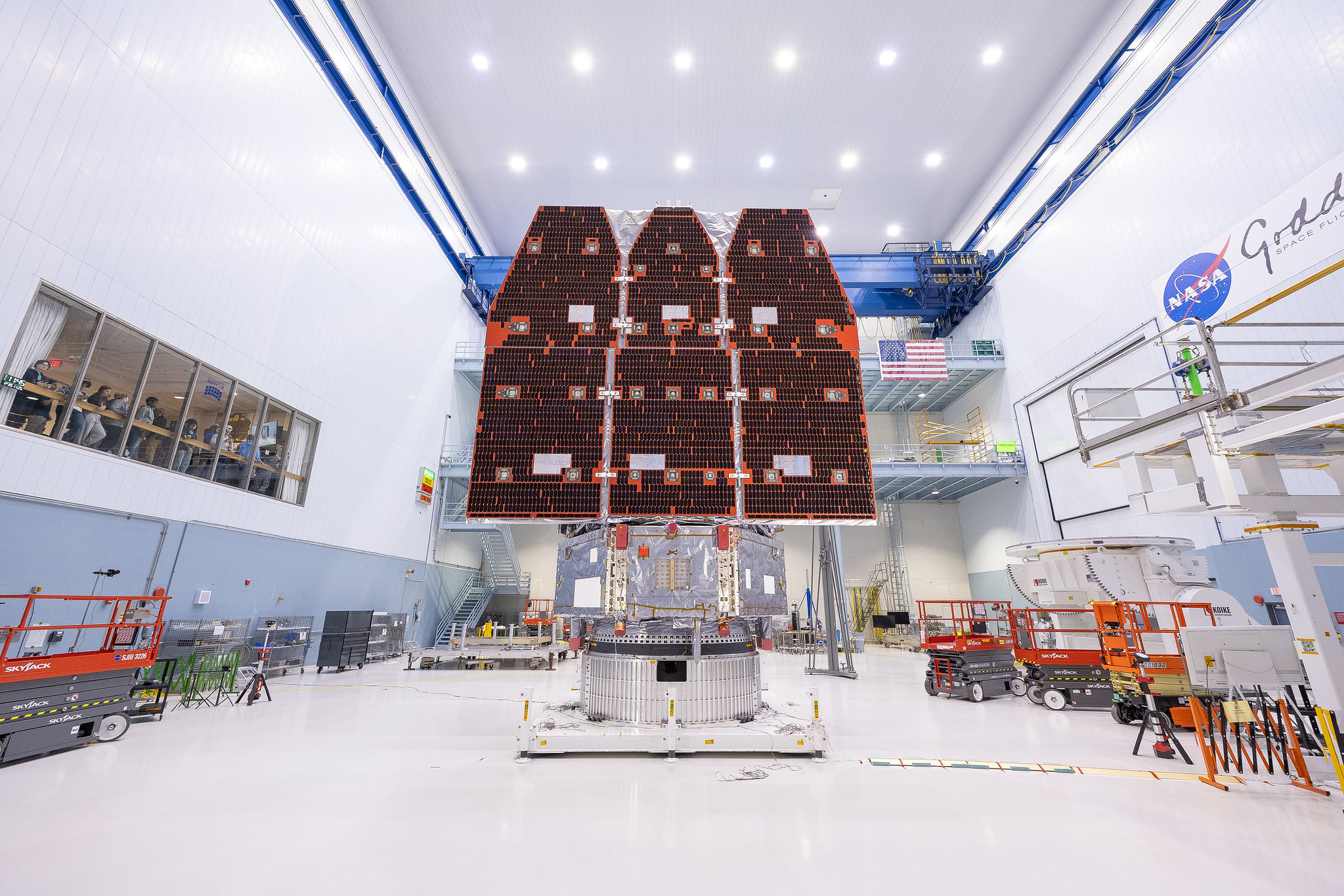
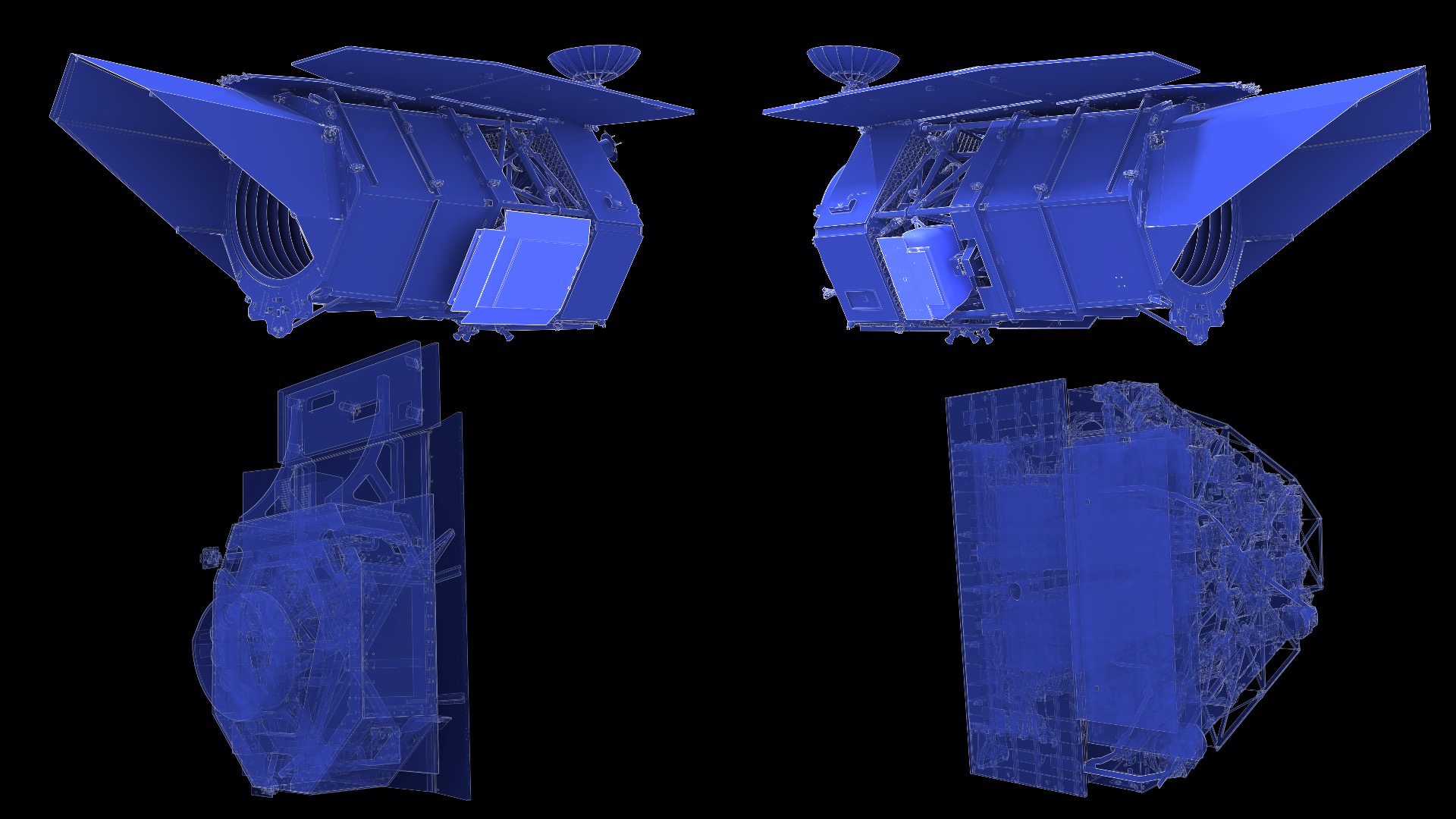
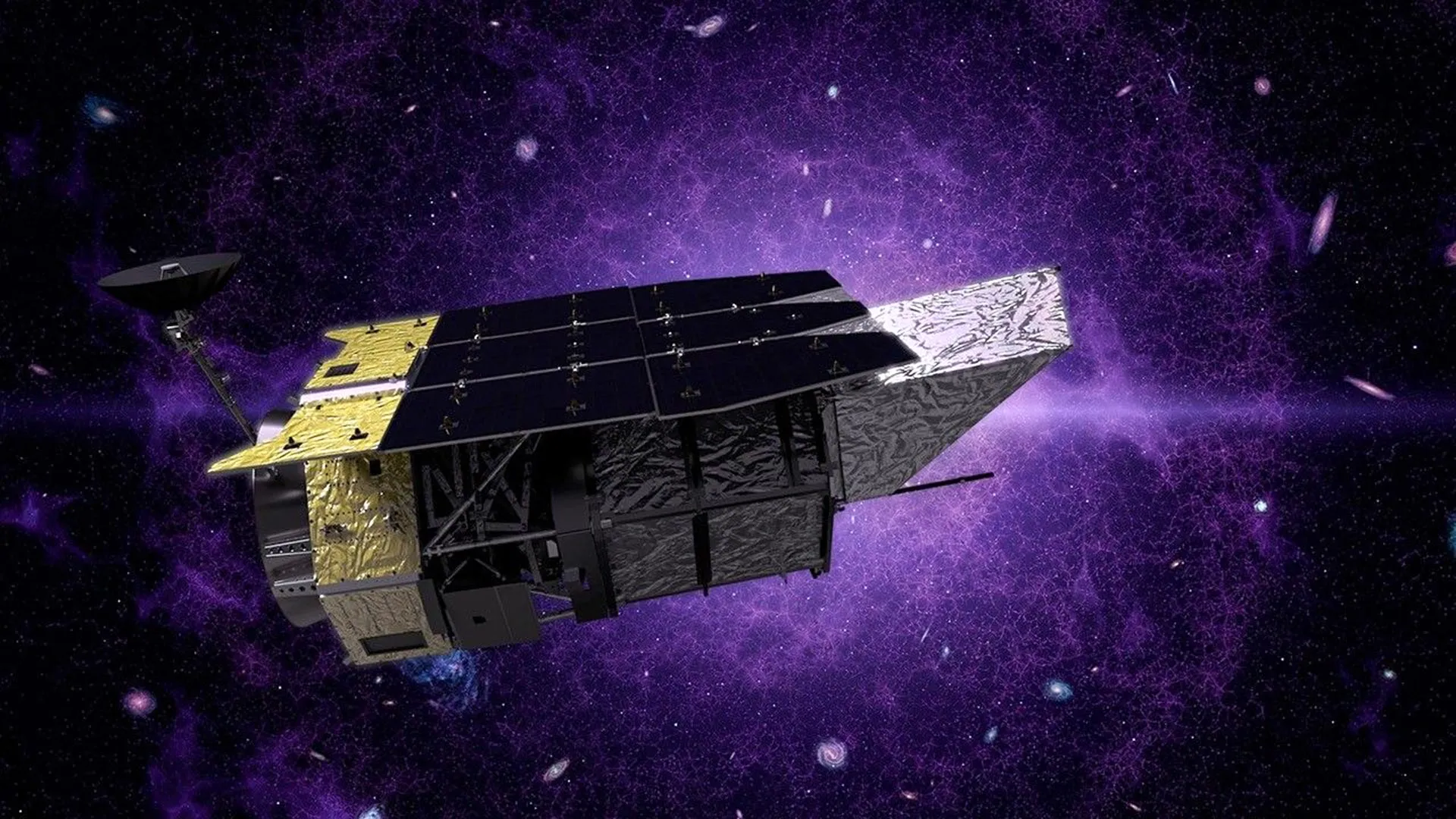
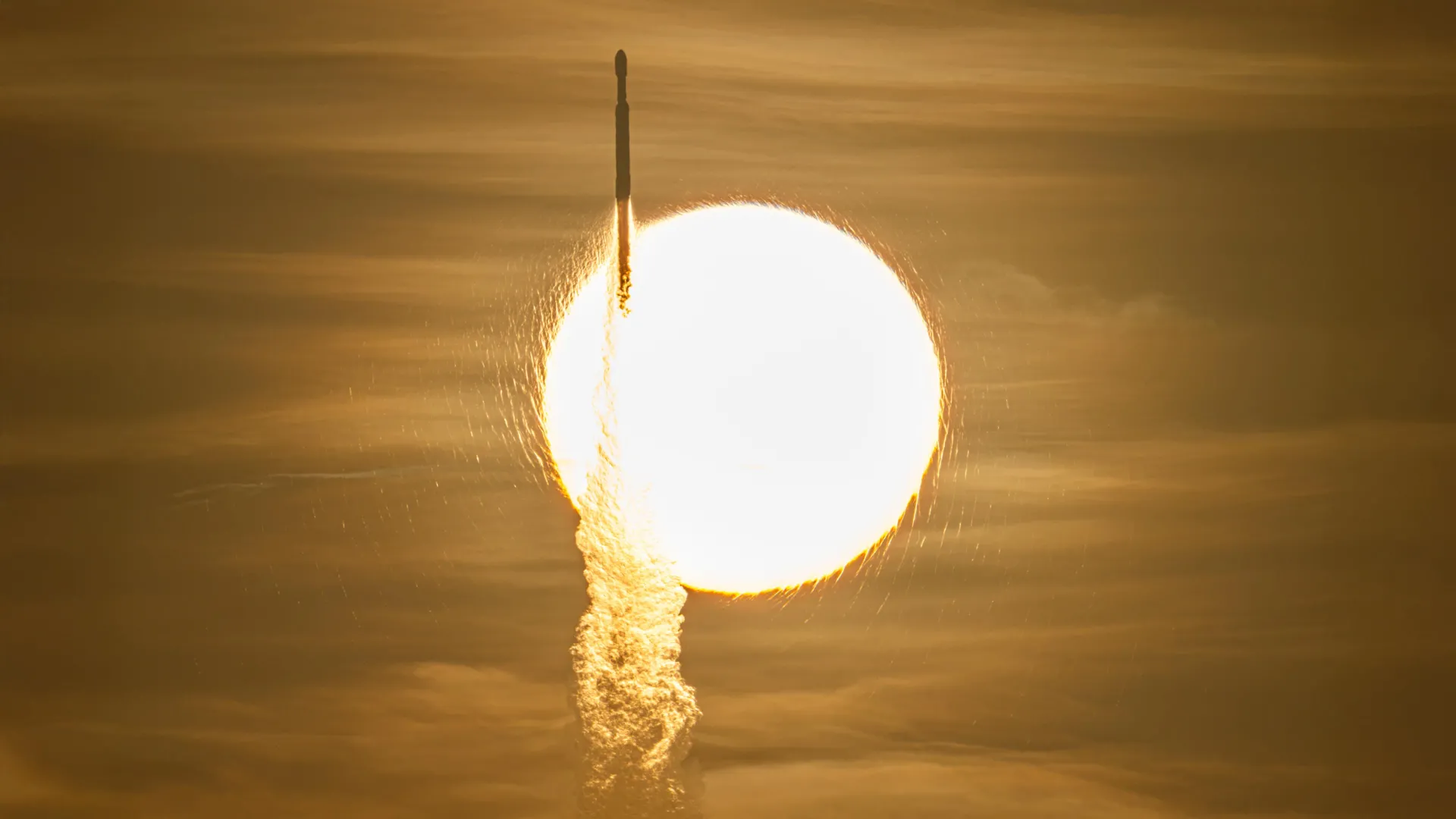
NASA unveiled the Nancy Grace Roman Space Telescope at Goddard Space Flight Center in Maryland on Thursday in a ceremony attended by scientists, engineers, and congressional representatives who have followed the telescope's decade-long development, announcing that the observatory is on track for its targeted launch window in October 2026 aboard a SpaceX Falcon Heavy rocket. The Roman telescope, named for NASA's first Chief of Astronomy and nicknamed "Hubble's wide-eyed cousin," carries a primary mirror of the same diameter as Hubble's 2.4-meter mirror but surveys an area of sky 100 times larger in a single observation — a capability that will allow it to produce a comprehensive map of the infrared universe in a fraction of the time it would take Hubble.
The telescope's primary science objectives center on two of the most profound mysteries in modern astrophysics: the nature of dark energy, the mysterious force driving the accelerating expansion of the universe, and the prevalence of planets around other stars. Roman's wide-field imager will conduct a survey of approximately one billion galaxies across cosmic history, measuring their shapes and distributions with a precision that allows cosmologists to trace how dark energy has affected the large-scale structure of the universe over billions of years. The survey is expected to provide the most precise measurement of dark energy's equation of state ever attempted, potentially distinguishing between competing theoretical models.
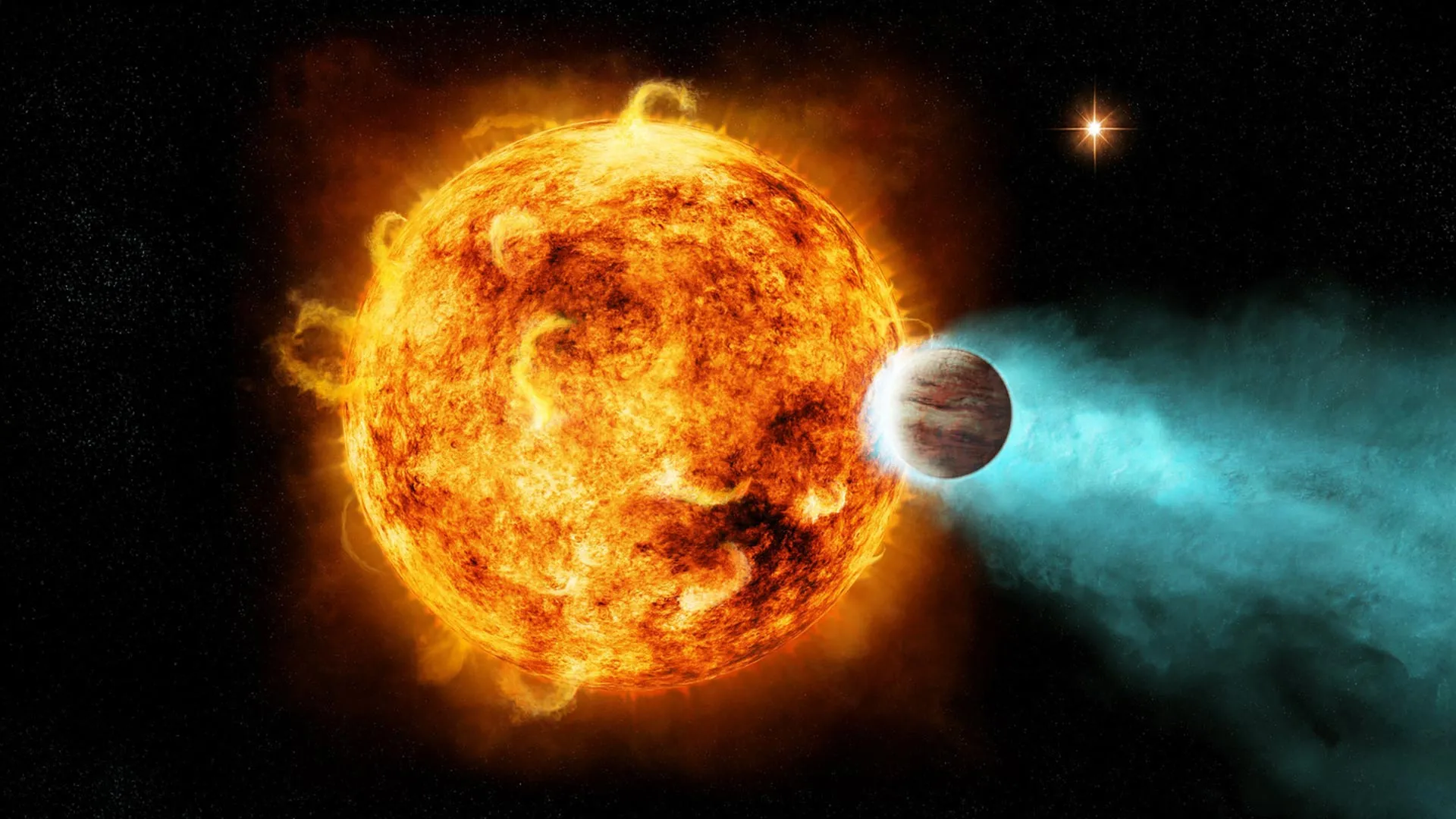
The telescope also carries a coronagraph instrument, a technology demonstrator designed to directly image planets orbiting nearby stars by suppressing the overwhelming glare of the parent star. Current space telescopes cannot directly image Earth-like planets in the habitable zones of sun-like stars; the coronagraph is designed to demonstrate the technology that future missions might use to do so. Even as a demonstrator, scientists said it would achieve contrasts far beyond anything previously demonstrated in space.
Roman will also conduct a gravitational microlensing survey of the central bulge of the Milky Way, searching for the temporary brightening of background stars caused by the gravity of foreground objects passing between the star and the telescope. This survey is expected to discover thousands of free-floating planets — worlds unbound from any star — that have been theorized but largely uncounted, as well as potentially detecting dark matter in the form of compact objects. The survey could also find the first Earth-mass planets beyond the solar system through the microlensing technique.
The telescope completed its environmental testing program, including vibration testing simulating launch stresses and thermal vacuum testing simulating space conditions, without any anomalies. NASA said the schedule to launch readiness remained firm and that the agency would finalize the launch window in coordination with SpaceX within the next 90 days. The estimated cost of the mission at launch is approximately $3.9 billion, including the launch vehicle.