NASA's Roman Telescope Could Discover 100,000 Hidden Exoplanets
The mission will explore largely uncharted regions of the Milky Way, potentially revealing more alien worlds than all previous missions combined.
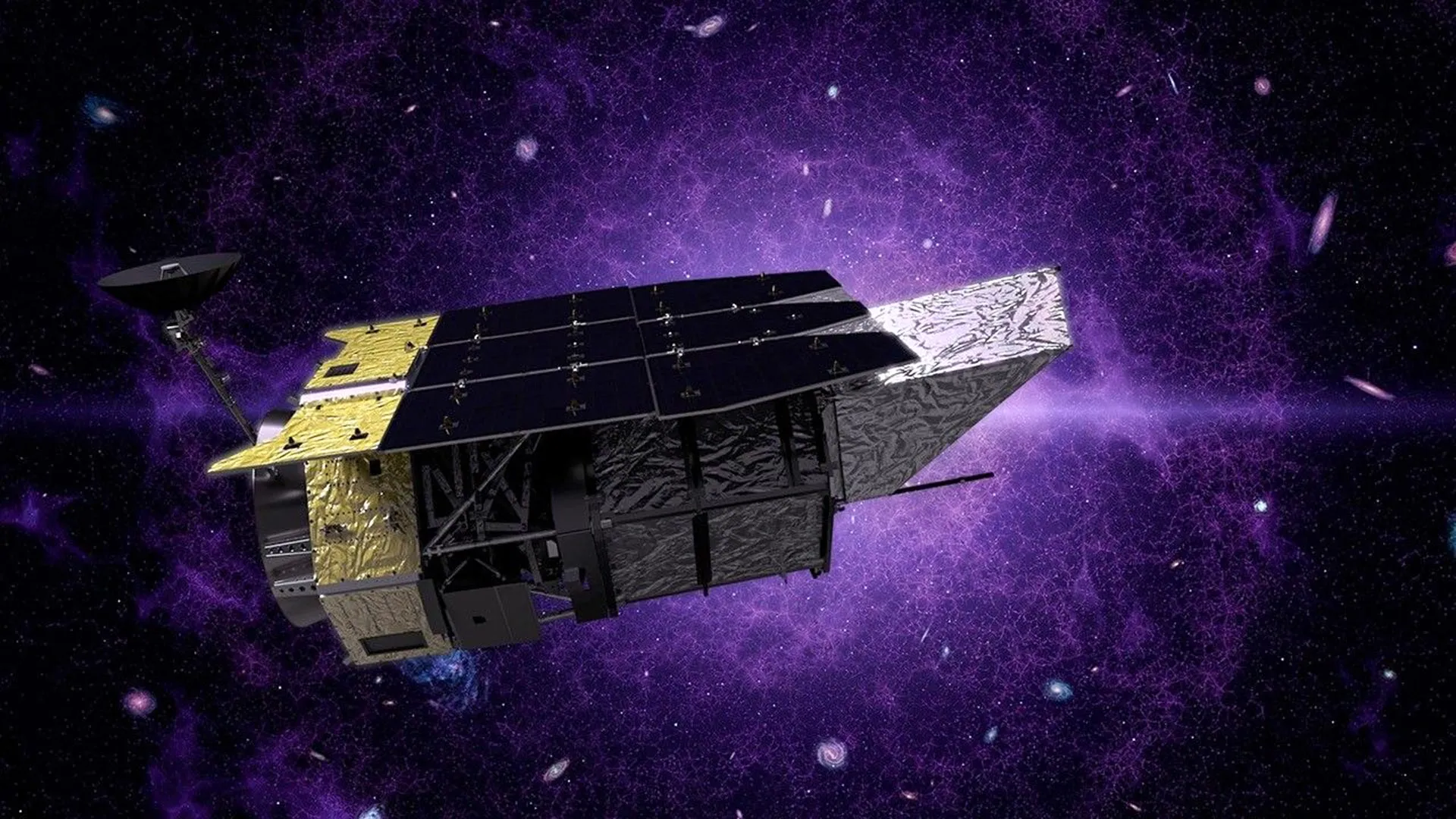
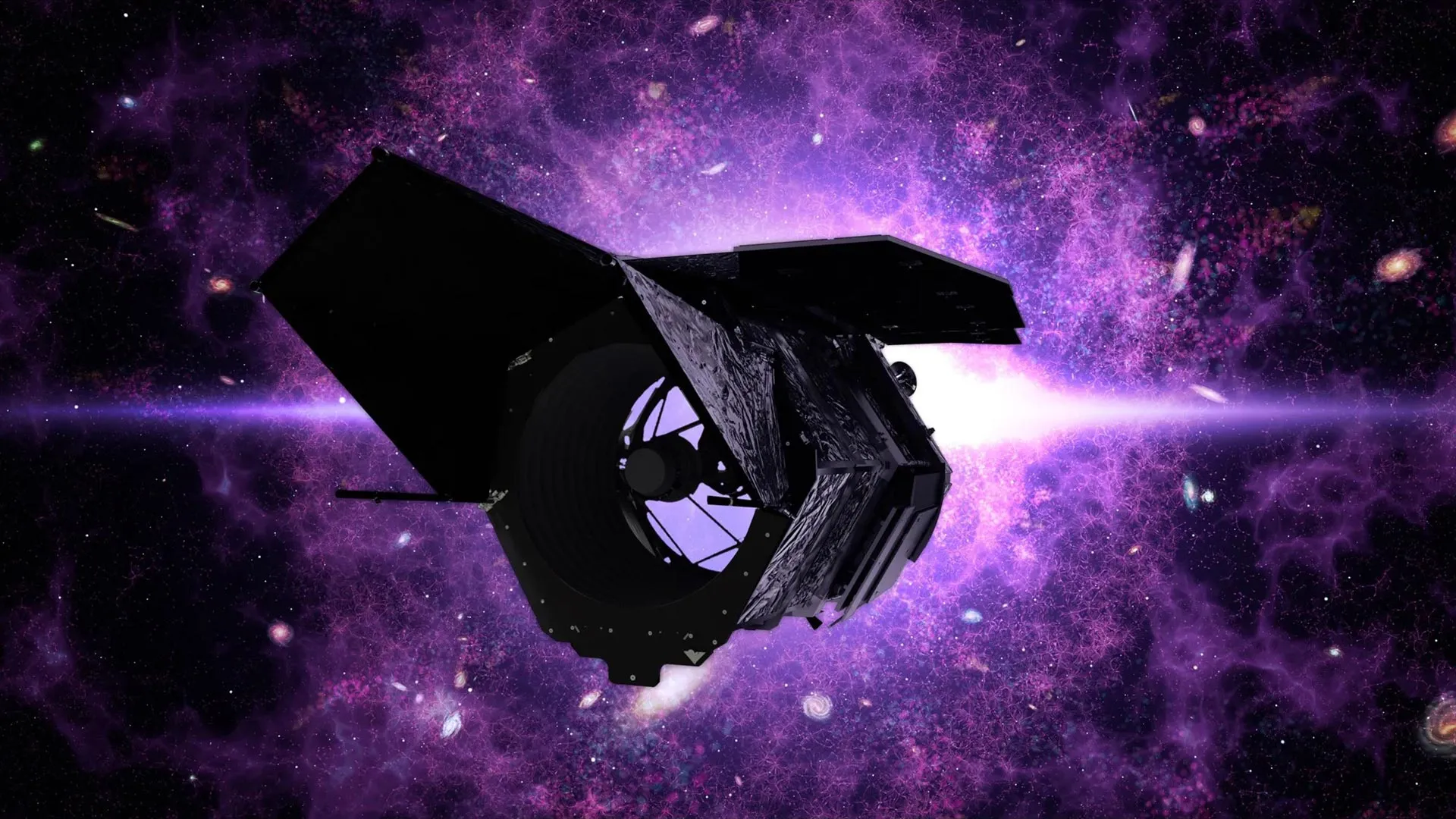
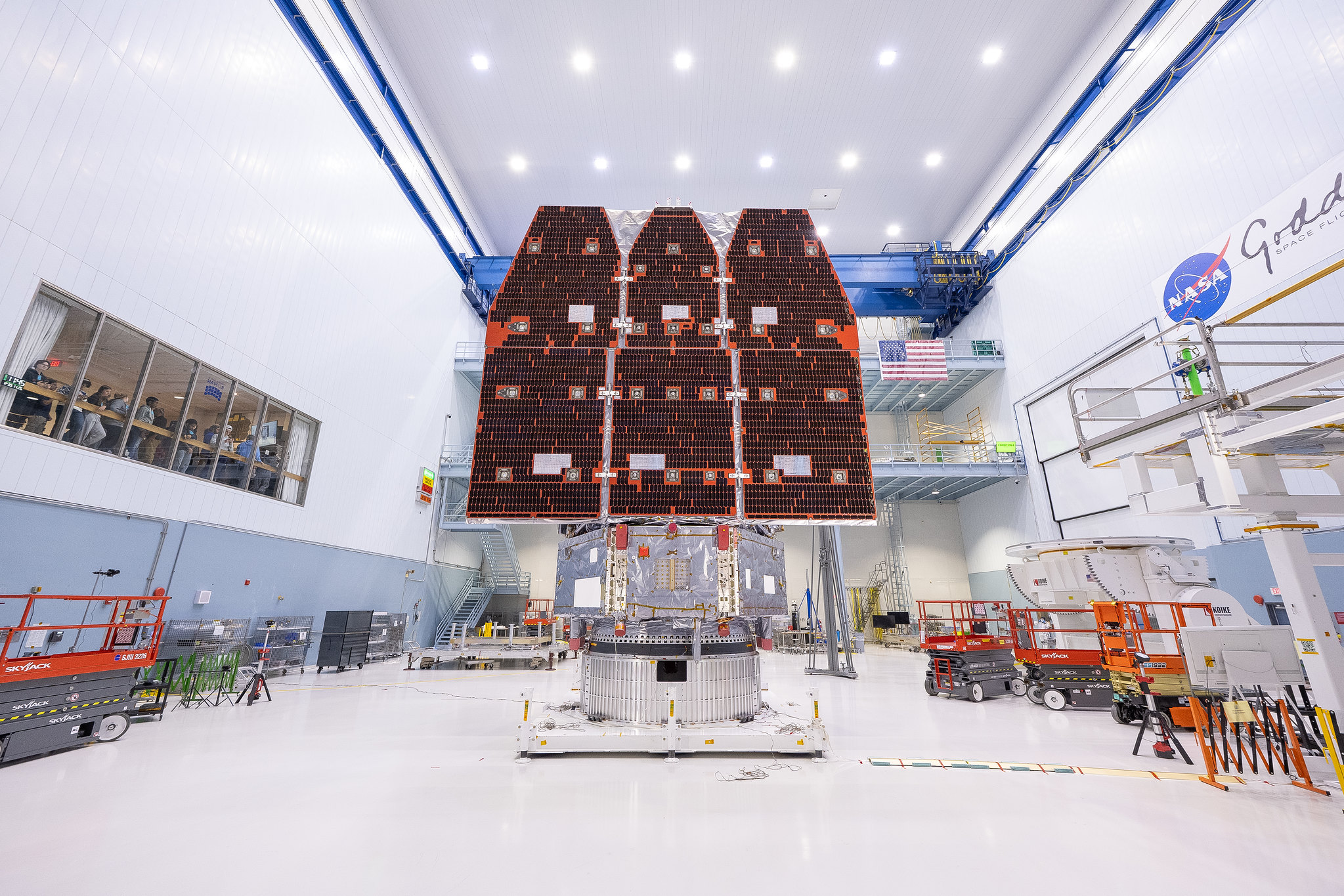
NASA's upcoming Nancy Grace Roman Space Telescope is poised to revolutionize the search for planets beyond our solar system, with scientists estimating the mission could uncover approximately 100,000 previously unknown exoplanets. This remarkable figure would represent a dramatic increase compared to the nearly 6,300 exoplanets discovered so far through all NASA missions and other observatories combined.
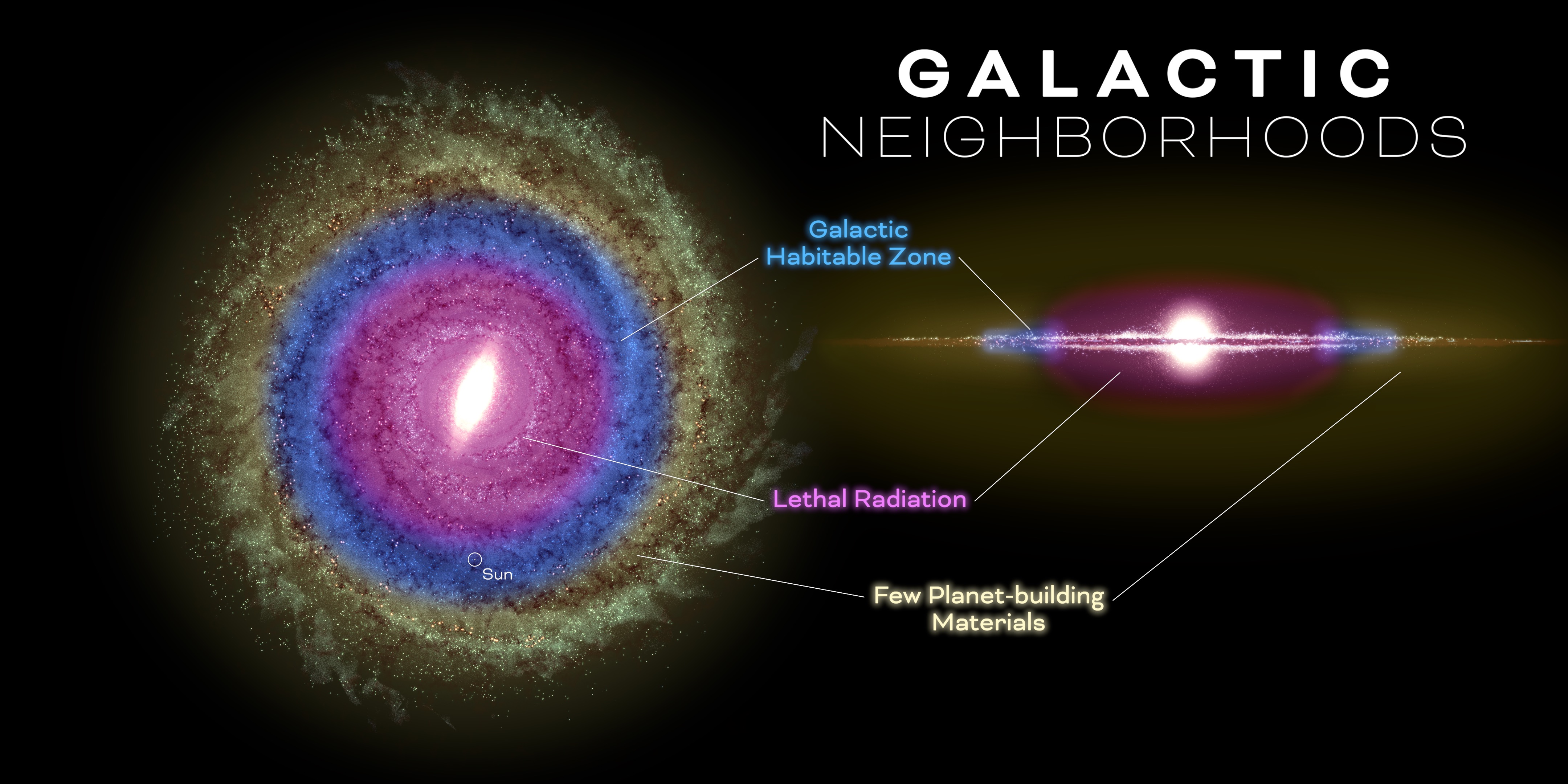
What sets Roman apart from previous planet-hunting missions is its ability to search largely unexplored regions of the Milky Way galaxy. Most exoplanet discoveries to date have come from relatively nearby areas within a few thousand light-years of Earth. Roman's primary surveys will extend far beyond that range, examining stars through the galaxy's densely packed central bulge and reaching all the way to the far side of the Milky Way.
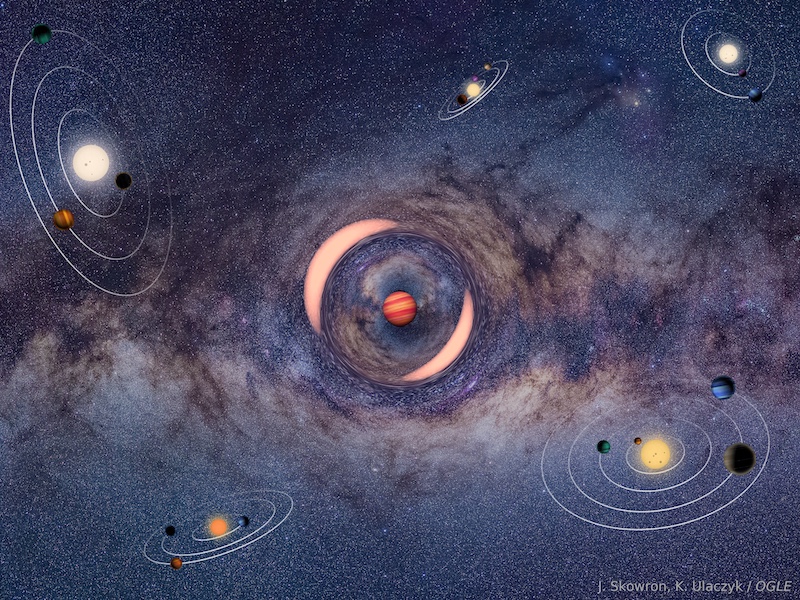
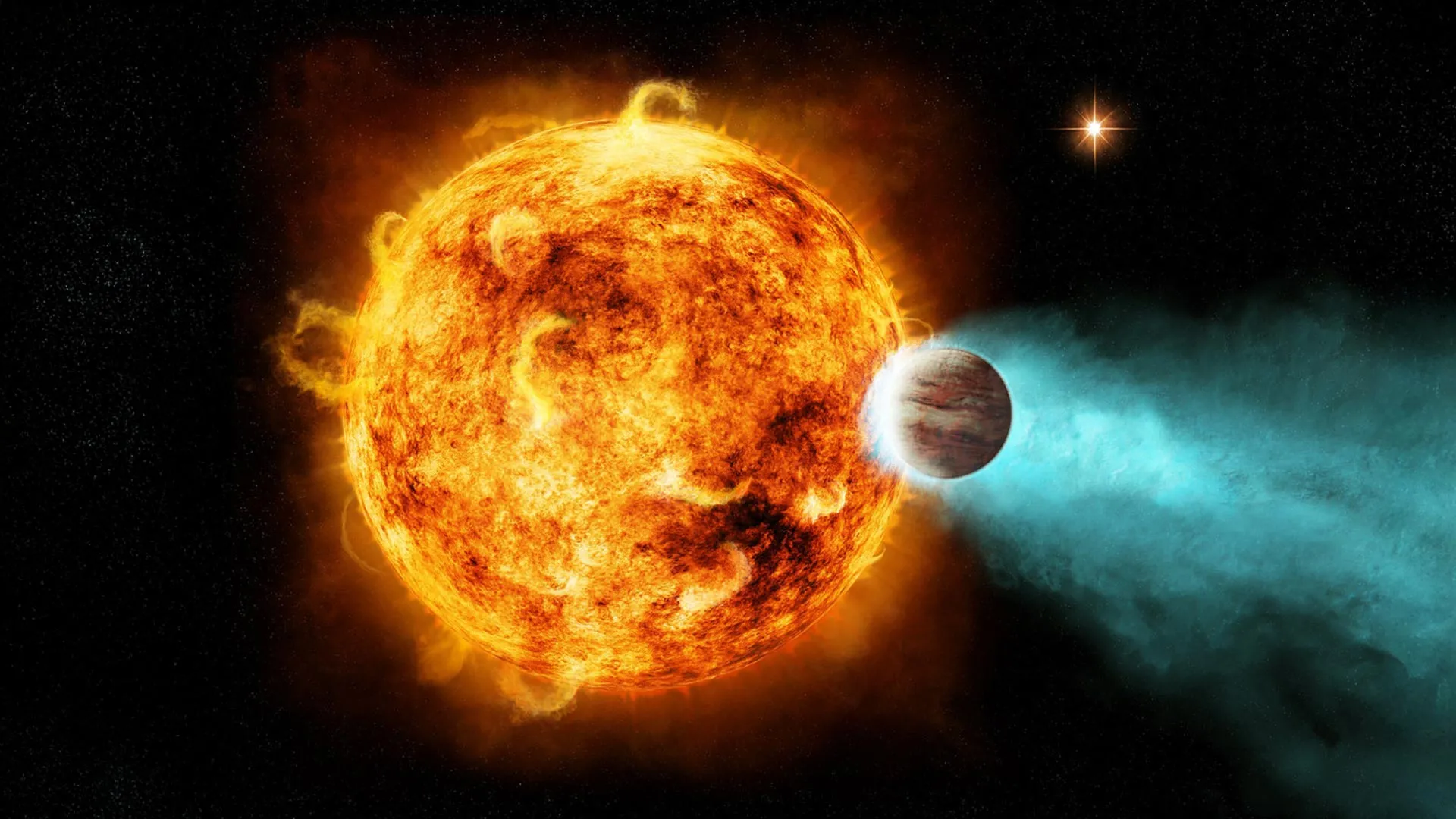
The telescope will employ two complementary detection methods to maximize its discovery potential. The transit technique, expected to reveal roughly 100,000 worlds, will monitor stars for temporary dimming caused when planets pass in front of them. This method is particularly effective at detecting large, extremely hot planets that complete frequent orbits around their stars. Meanwhile, microlensing observations, anticipated to uncover more than 1,000 worlds, will detect planets by observing how their gravity magnifies light from distant background stars.
Elisa Quintana, an exoplanet researcher at NASA's Goddard Space Flight Center who leads software development for Roman's transit observations, emphasized the mission's unique scope. "Our galaxy is home to a variety of different environments, but when it comes to hunting for exoplanets, we've really only explored one: our own neighborhood," Quintana explained. "Roman will extend the search far enough to encompass other galactic habitats, which could help us learn how planet formation varies across different regions of the Milky Way."
The mission's broad galactic survey will provide unprecedented insights into planetary system formation across diverse cosmic environments. By studying planets in regions with different stellar populations, metallicities, and gravitational influences, scientists will gain crucial data about how planetary systems develop under varying conditions. This comprehensive approach could fundamentally reshape our understanding of planet formation and help determine how common Earth-like worlds might be throughout the universe, potentially bringing us closer to answering whether life exists elsewhere in our galaxy.