NASA's Roman Telescope Could Uncover 100,000 New Worlds and Map the Galaxy's Hidden Dark Objects
Set to launch this fall, the Nancy Grace Roman Space Telescope will use gravitational microlensing to find planets, rogue worlds, black holes and neutron stars across the Milky Way's crowded core.
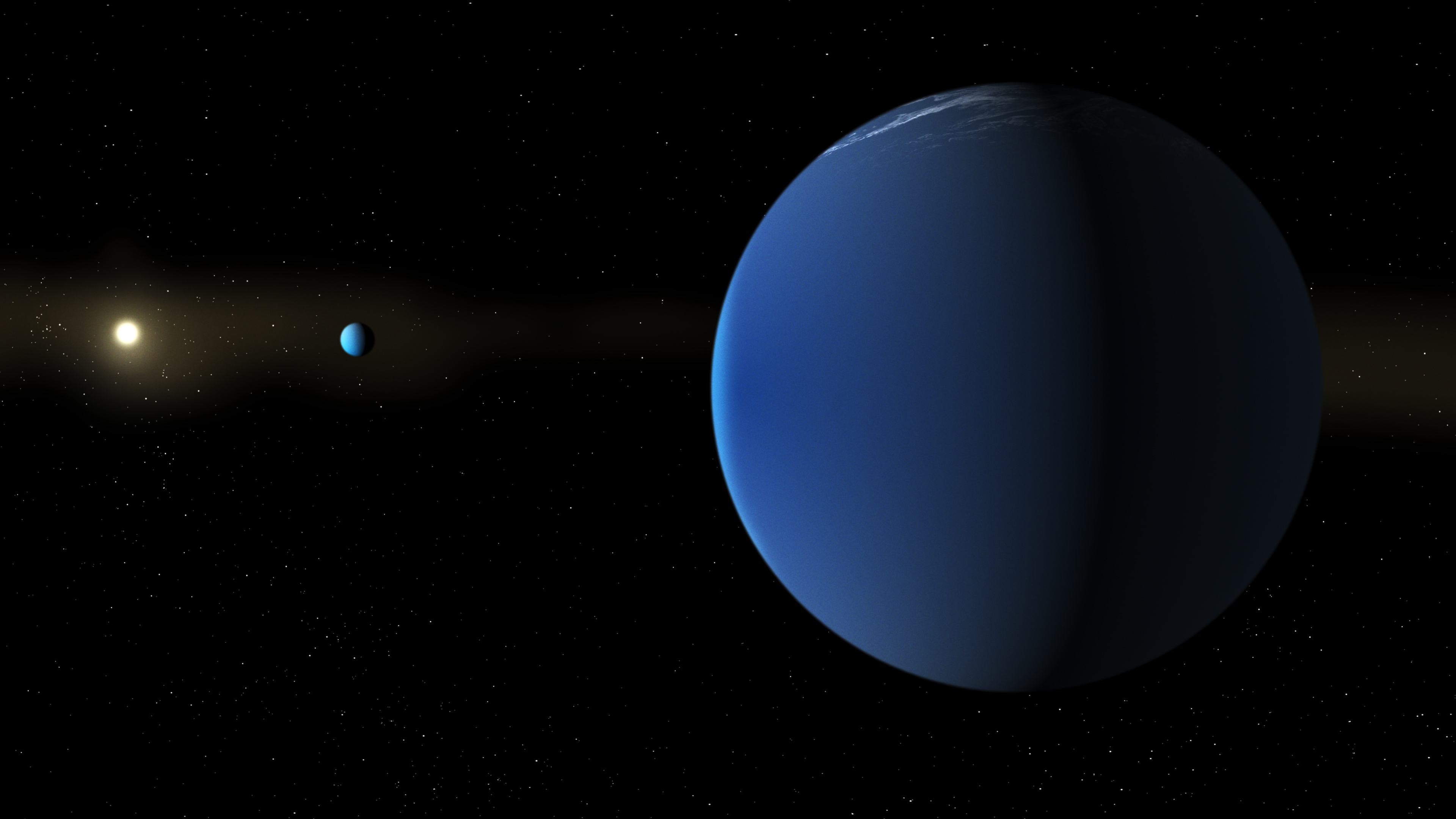
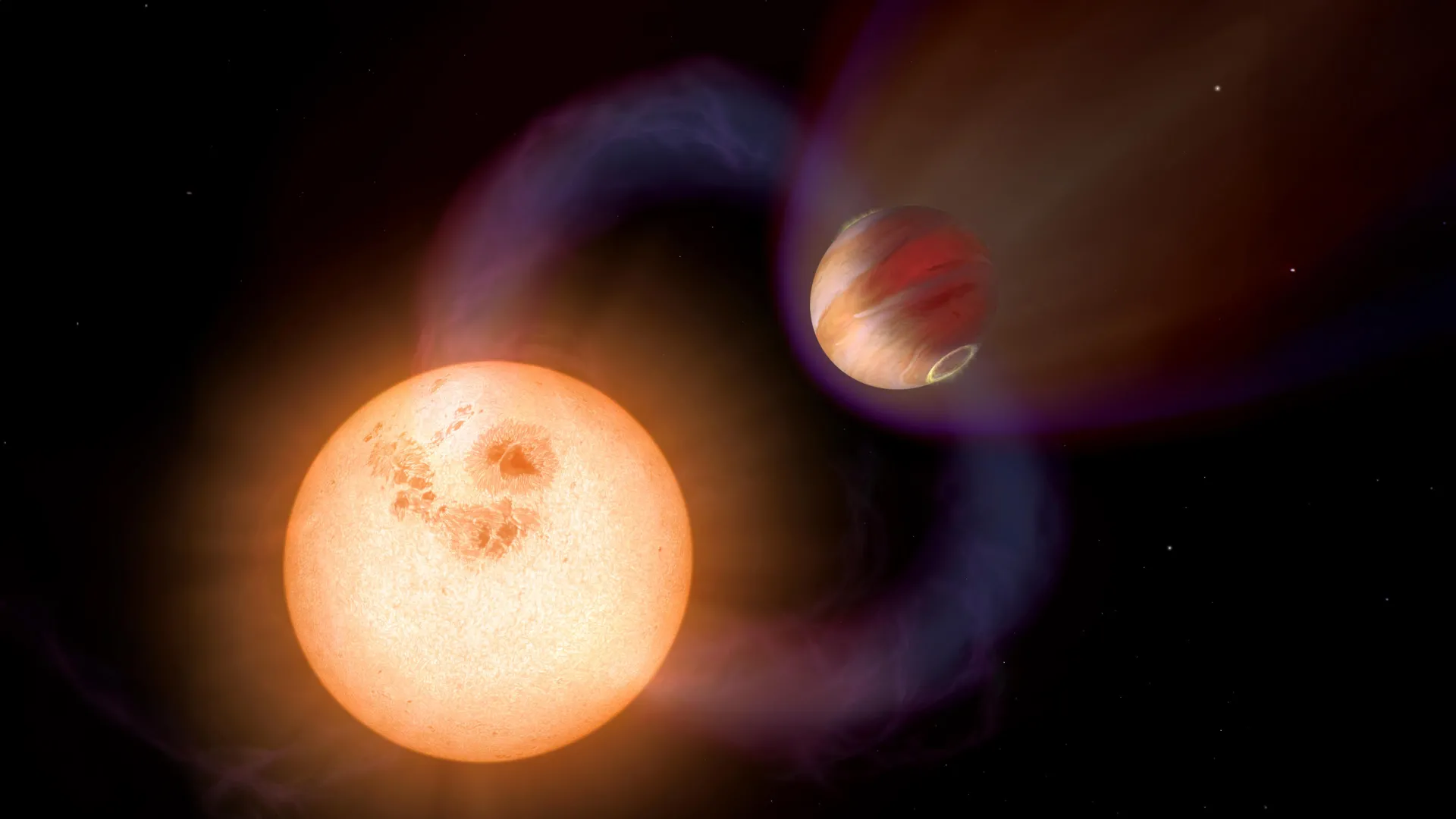
NASA's next flagship observatory has not yet left the ground, but astronomers are already predicting it will rewrite the catalog of known worlds. The Nancy Grace Roman Space Telescope, now fully assembled and scheduled to launch in the fall of 2026, is expected to reveal around 100,000 planets — a staggering leap from the roughly 6,300 confirmed by all of NASA's missions to date.
Roman will achieve that haul using a technique called gravitational microlensing, a method rooted in Einstein's general relativity. When a foreground star and any planets orbiting it drift in front of a more distant background star, their gravity bends and magnifies the background star's light, producing a brief, telltale brightening. By watching for those flashes, Roman can detect planets that are invisible to other methods, including small, cold worlds far from their host stars.
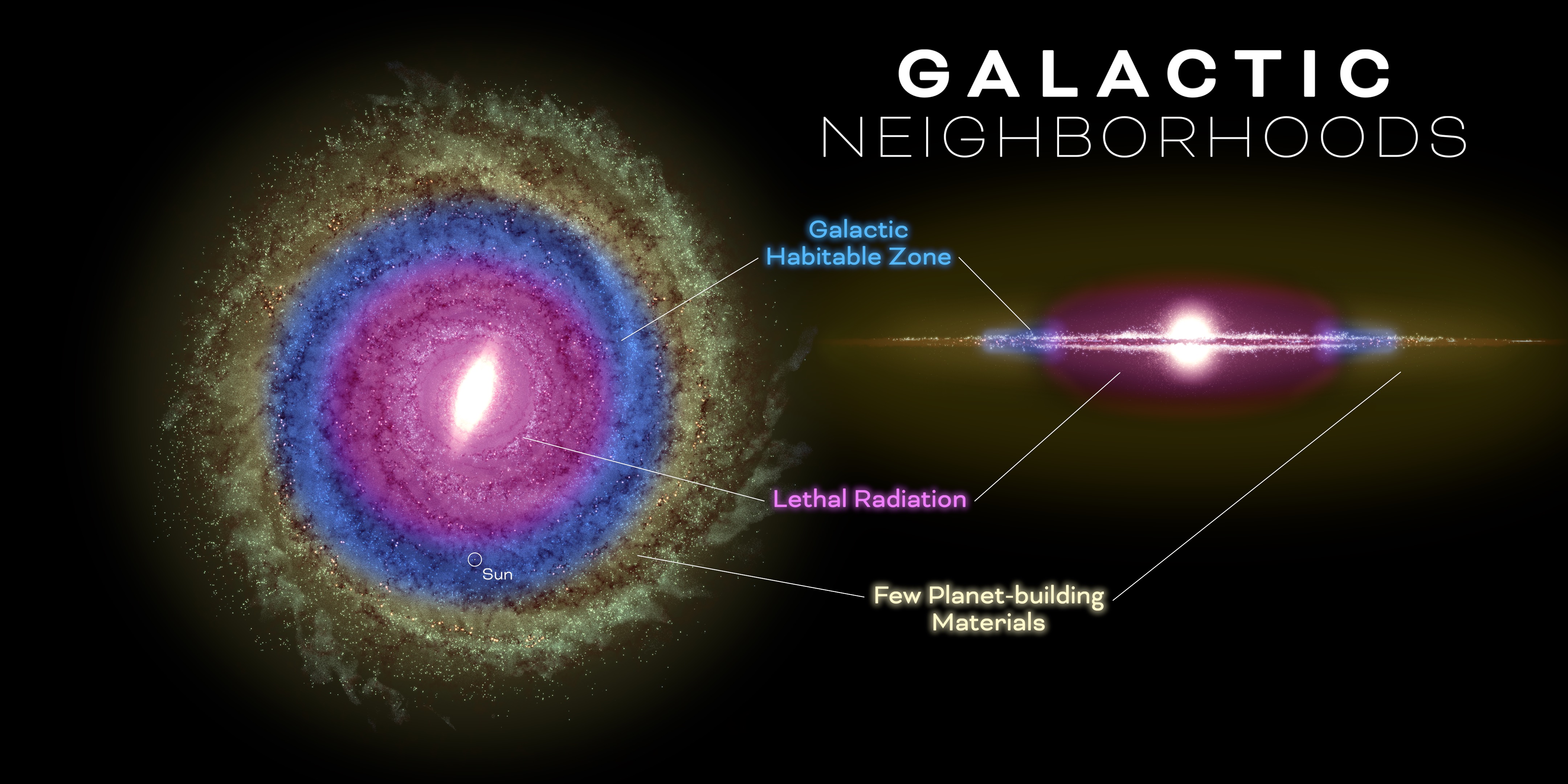
One of the telescope's primary surveys will stare into the densely packed central bulge of the Milky Way, monitoring roughly 100 million stars in regions of the galaxy that remain largely uncharted. Because that direction is so crowded with stars, scientists expect it to yield more than 50,000 microlensing events — each a potential window onto a hidden planet or a dark, otherwise undetectable object.
Those dark objects are part of what makes the mission so tantalizing. Beyond planets, microlensing can betray the presence of black holes, neutron stars and trans-Neptunian objects, and Roman is expected to assemble the largest catalog ever compiled of "rogue" or free-floating worlds — planets that drift through the galaxy untethered to any star. Such wanderers are nearly impossible to find by conventional means, since they emit little or no light of their own.
The mission also benefits from a head start. Roman has run ahead of schedule during assembly, and astronomers plan to use data from the Hubble Space Telescope to help calibrate and jump-start its planet hunt, ensuring the new observatory can hit the ground running once it reaches its observing post far from Earth.
If the projections hold, Roman will not merely add to the exoplanet tally — it will transform it, turning a field that has painstakingly confirmed a few thousand worlds over three decades into one cataloging them by the tens of thousands. In doing so, it promises the most detailed census yet of what populates our galaxy, from distant gas giants to the lightless objects lurking between the stars.