SpaceX Puts Starship Into Orbit for the First Time and Deploys 26 Starlink Satellites
The world's most powerful rocket reached a 180-mile-high orbit Monday despite losing an engine, then splashed down north of Hawaii after a mission cut short to three hours.
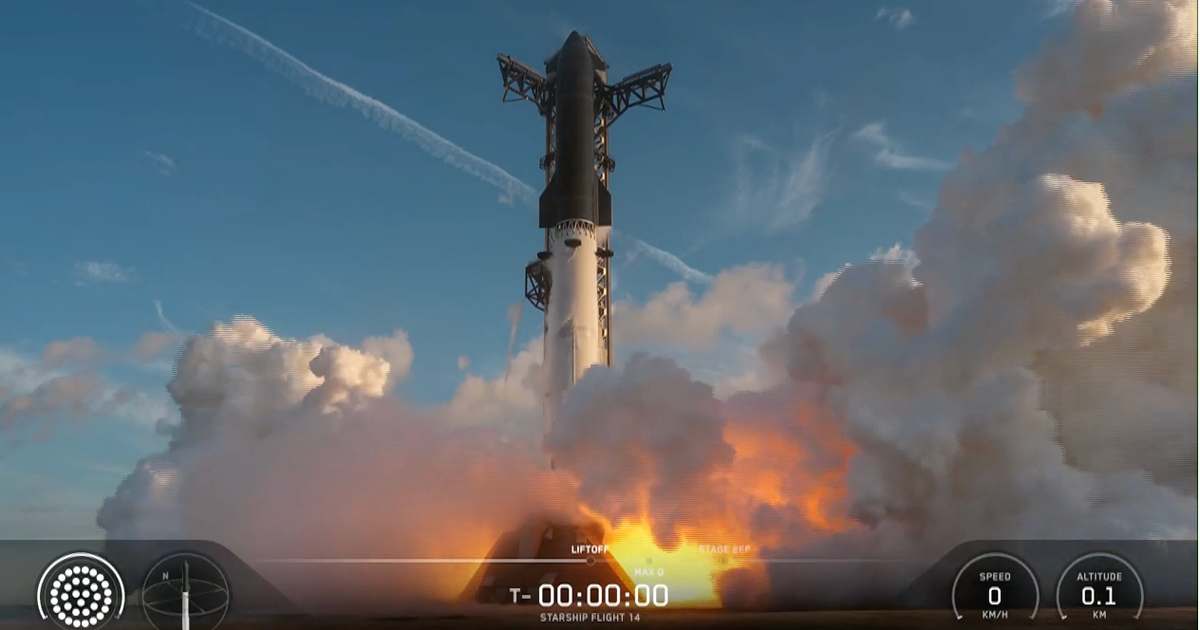
SpaceX flew its Super Heavy-Starship rocket all the way to orbit for the first time on Monday, an abbreviated three-hour mission that carried working Starlink satellites into space and marked a major step toward the vehicle NASA is counting on to land astronauts on the moon.
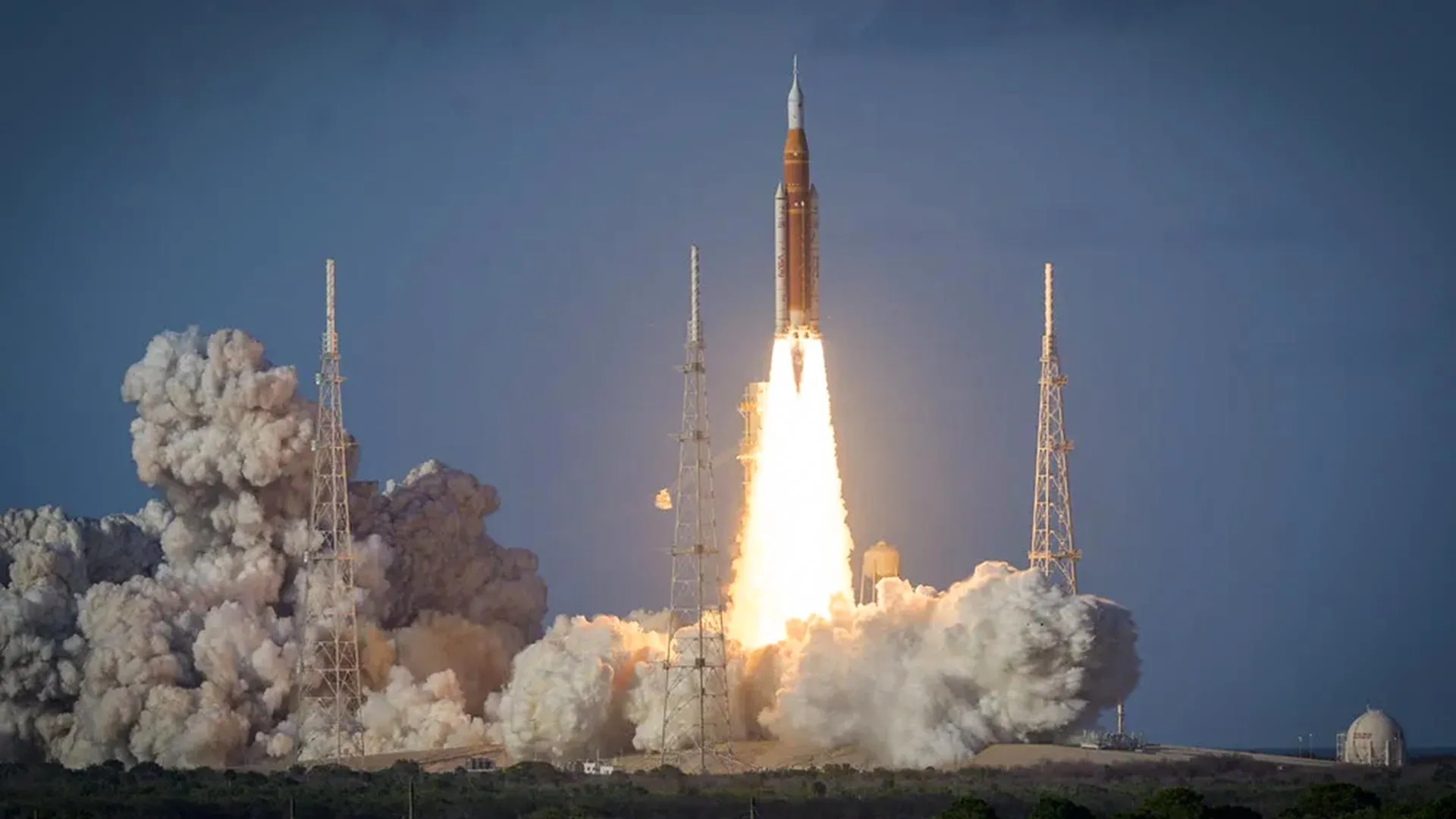
The 400-foot-tall rocket lifted off from SpaceX's Starbase launch site on the Texas Gulf Coast at 8:49 a.m. EDT as the Super Heavy booster's 33 methane-burning Raptor engines ignited. The first stage generates some 16 million pounds of thrust, twice the power of NASA's Space Launch System moon rocket. One booster engine shut down early, but Super Heavy is designed to reach space even after losing one or two engines. About two minutes and 20 seconds into flight, the upper stage's six Raptors lit in a "hot staging" maneuver and the booster fell away, flipped around and flew back toward Texas for a vertical splashdown a few miles offshore.
The Starship upper stage had its own scare. One of its six engines shut down early during the climb to an initially suborbital path, a trajectory SpaceX has used on past test flights so the ship would come down safely even if controllers lost it. After studying telemetry, Elon Musk's flight control team judged the vehicle otherwise healthy and cleared it for a second firing, using a single Raptor, that finished the climb into a 180-mile-high orbit. Eight and a half minutes later, a dispenser in the rocket's nose began releasing 26 third-generation Starlink internet satellites, each with 10 times the capacity of the previous generation. It was the first time the new rocket has launched operational satellites.
With the payload away, SpaceX cut the mission short. The flight had been planned to last six orbits and end with a splashdown off Chile around 6:40 p.m. Instead, controllers brought the ship back early. It fell belly-first through the atmosphere in a fireball of plasma, steering with its fins and flaps, then relit three engines, flipped upright and made a controlled, tail-first splashdown in the Pacific north of Hawaii at 11:57 a.m. EDT. As usual after ocean landings, it tipped onto its side and exploded as leftover propellant ignited.
"Congrats @SpaceX!" NASA Administrator Jared Isaacman wrote on X. "Gorgeous launch, getting Ship to orbit and managing every step in a safe, responsible, and especially inspirational way."
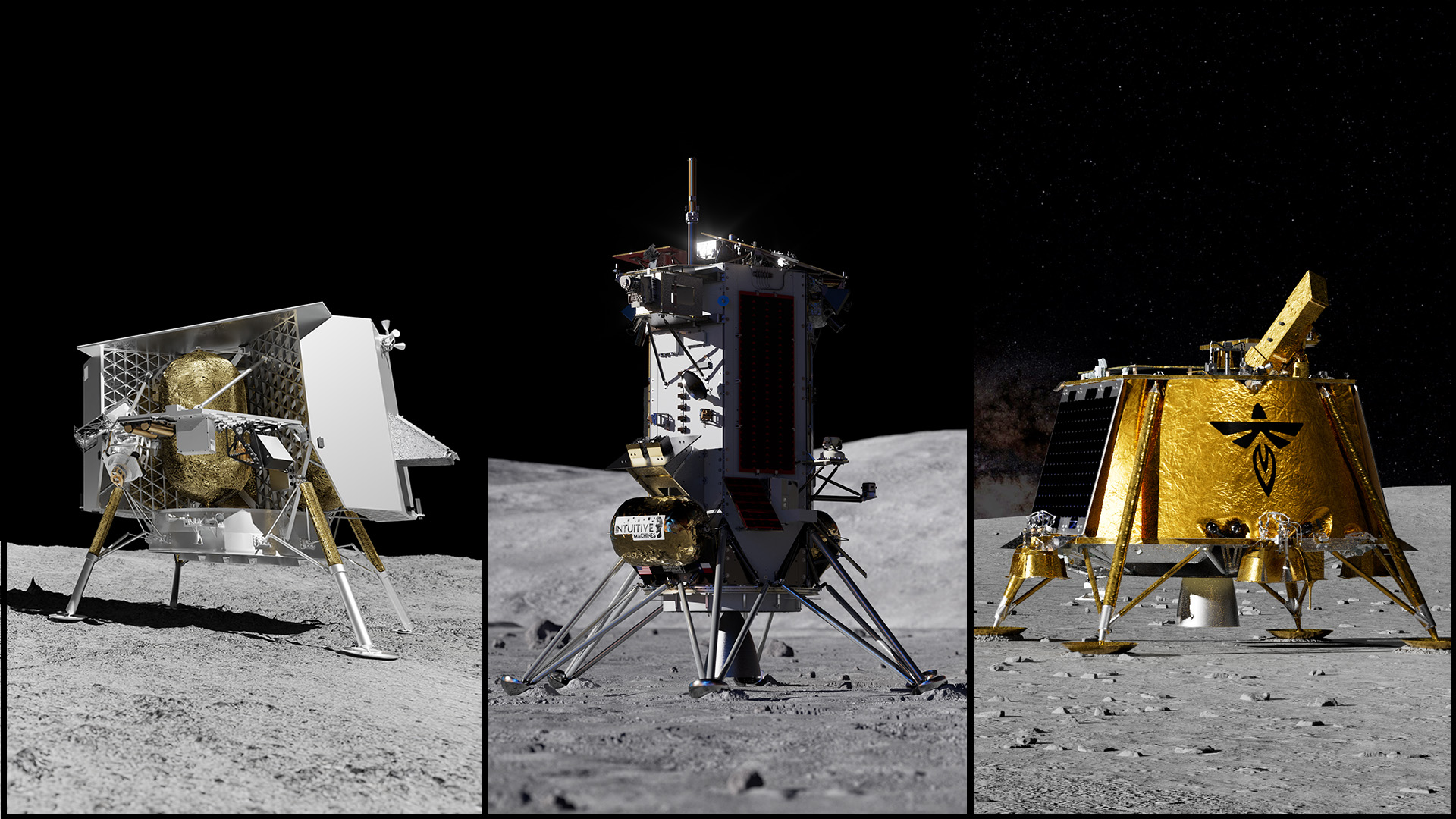
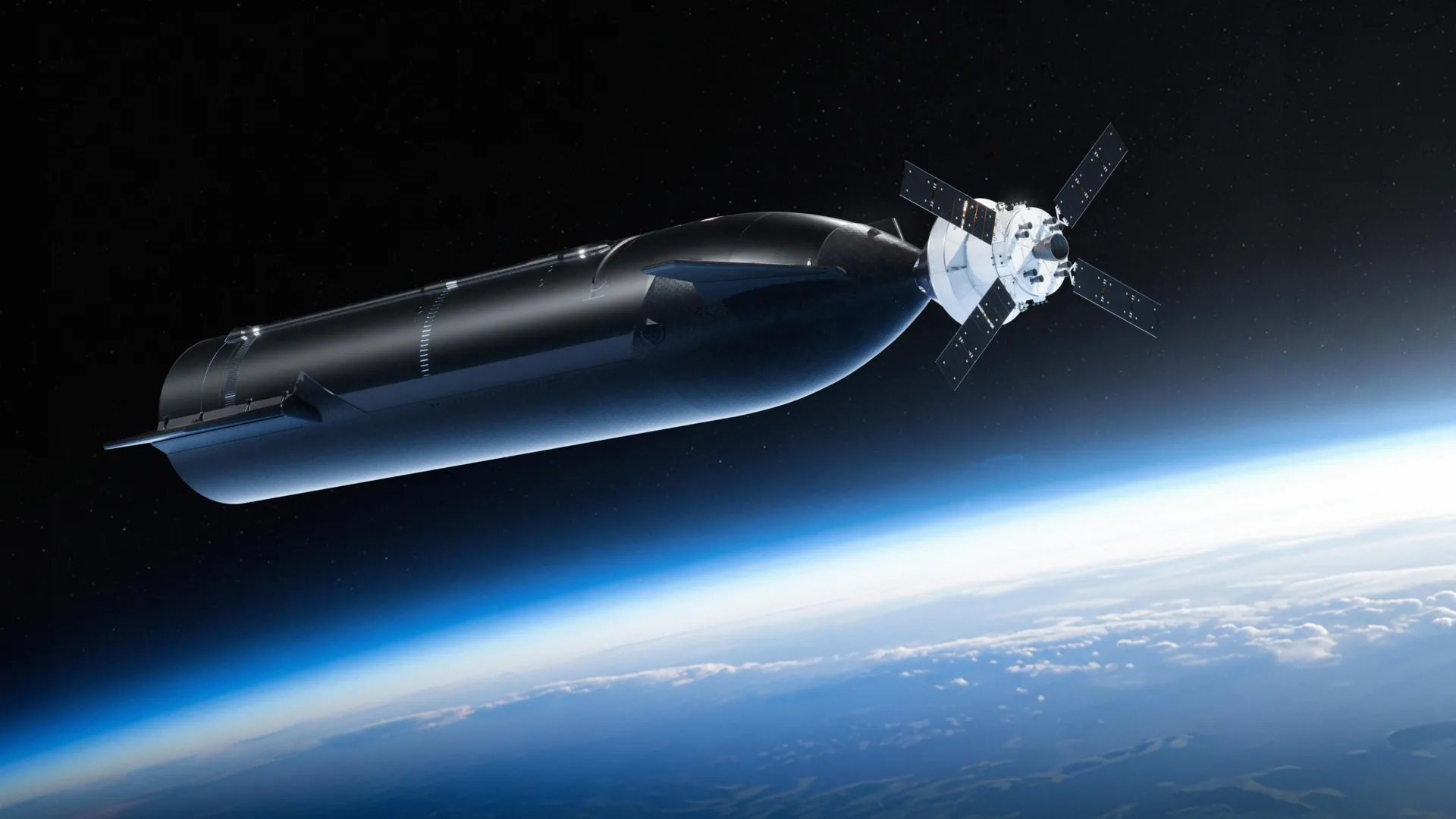
The stakes reach well beyond satellites. NASA is relying on a lander version of Starship for the Artemis IV moon landing targeted for 2028. That mission will require up to 15 or so Super Heavy-Starship tanker flights to refuel the lander in space before it meets a Lockheed Martin-built Orion capsule in lunar orbit and carries two astronauts down to the surface near the south pole. Many aerospace veterans doubt SpaceX can certify that system in time, and NASA is also funding a rival lander from Blue Origin. On the Artemis III test flight next year, four astronauts in Orion are to practice docking with prototype landers from both companies in low Earth orbit.
Monday's flight also showed progress on hardware that struggled last time. On the previous test, three booster engines failed to complete the boost-back burn and only eight of 13 fired for landing, producing a "hard" splashdown. SpaceX made multiple upgrades and software changes before this launch. The company has caught boosters with the launch tower's mechanical arms four times but stuck with ocean landings for now. It has two Starship pads in Texas and three more under construction in Florida, including historic Pad 39A, with the first Florida launch planned for late this year or early next.