NASA Commits Nearly $600 Million to Four Private Moon Landings for Its Lunar Base
Astrobotic, Firefly Aerospace and Intuitive Machines will fly four robotic missions in late 2028, each carrying the same trio of instruments to scout dust, radiation and navigation for a permanent human outpost.
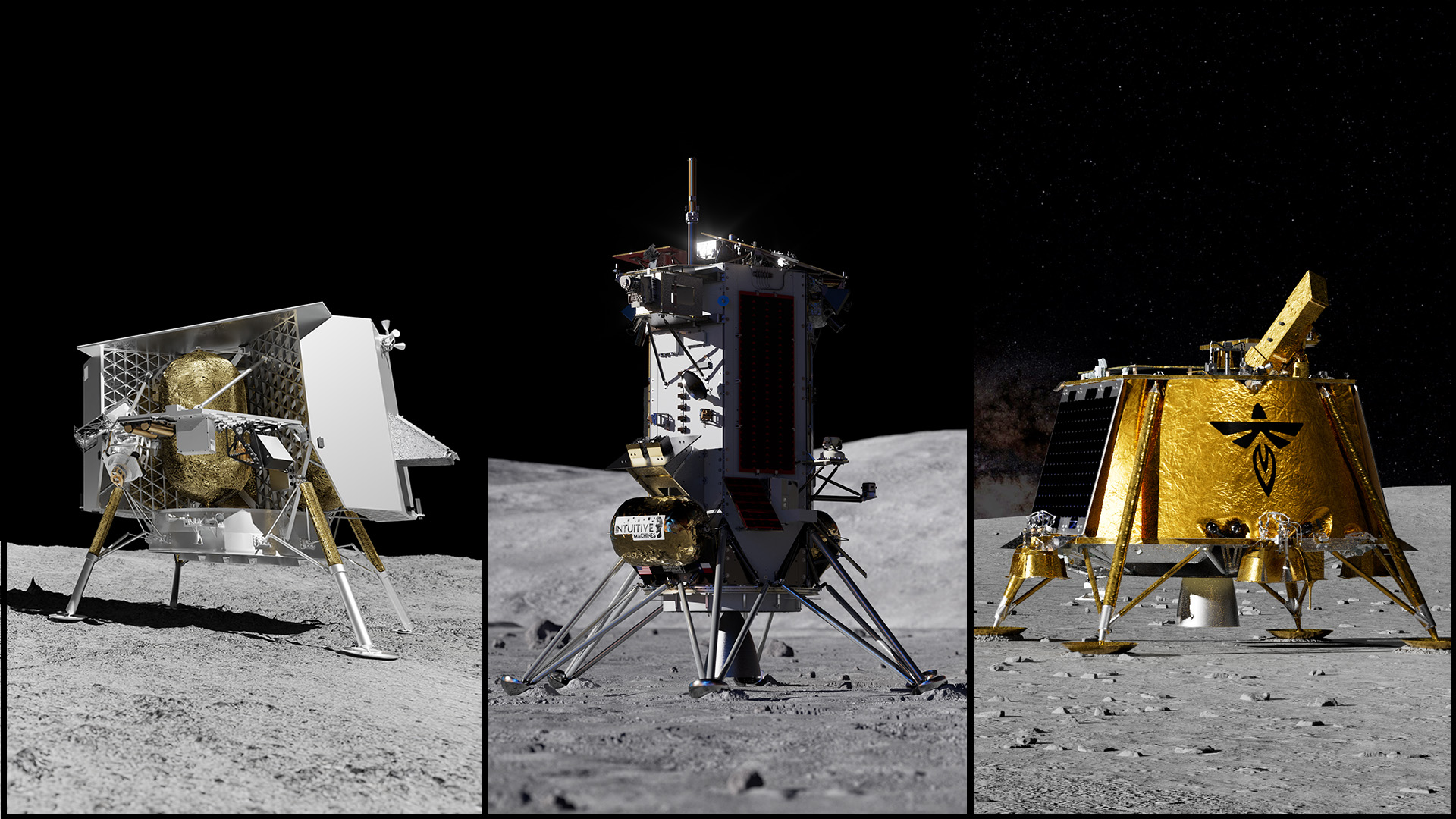
NASA has awarded nearly $600 million to three private companies to land four robotic missions on the Moon in late 2028, accelerating the agency's push to establish a permanent human presence on the lunar surface. The contracts, issued through NASA's Commercial Lunar Payload Services program, are the latest building blocks of its Moon Base initiative.
Astrobotic Technology of Pittsburgh received the largest share, $297.9 million to carry out two deliveries. Firefly Aerospace was awarded $144.2 million and Intuitive Machines received $148.3 million, each for a single mission. All three firms have been racing to prove that comparatively low-cost commercial landers can reliably ferry cargo to the Moon on NASA's behalf, a model the agency is betting on to make sustained lunar operations affordable.
Each of the four flights will carry an identical trio of science instruments designed to answer practical questions about living and working on the Moon. One, called SCALPSS, uses a four-camera system to study how a lander's engine plume kicks up abrasive lunar dust during touchdown — a hazard that can damage hardware and obscure future landing sites. A laser retroreflector array, or LRA, will act as a precise navigation beacon for spacecraft approaching the surface, while a radiation monitor known as LETS will measure the Moon's harsh radiation environment, critical data for protecting future astronauts.
"We're building a proving ground for Moon Base operations," NASA's acting Moon Base director said. "Accelerating our Moon mission ordering cadence and launch opportunities enable us to move quickly to learn, iterate and improve." The remark underscored the agency's strategy of flying frequent, incremental missions rather than staking everything on a handful of flagship launches.
The Commercial Lunar Payload Services program has had a mixed record since its inception, with some landers reaching the surface intact and others tipping over or failing on descent. But NASA officials argue that each attempt, even the failures, yields valuable engineering lessons and drives down the long-term cost of lunar access. By spreading missions across multiple vendors, the agency also hedges against any single company's setbacks.
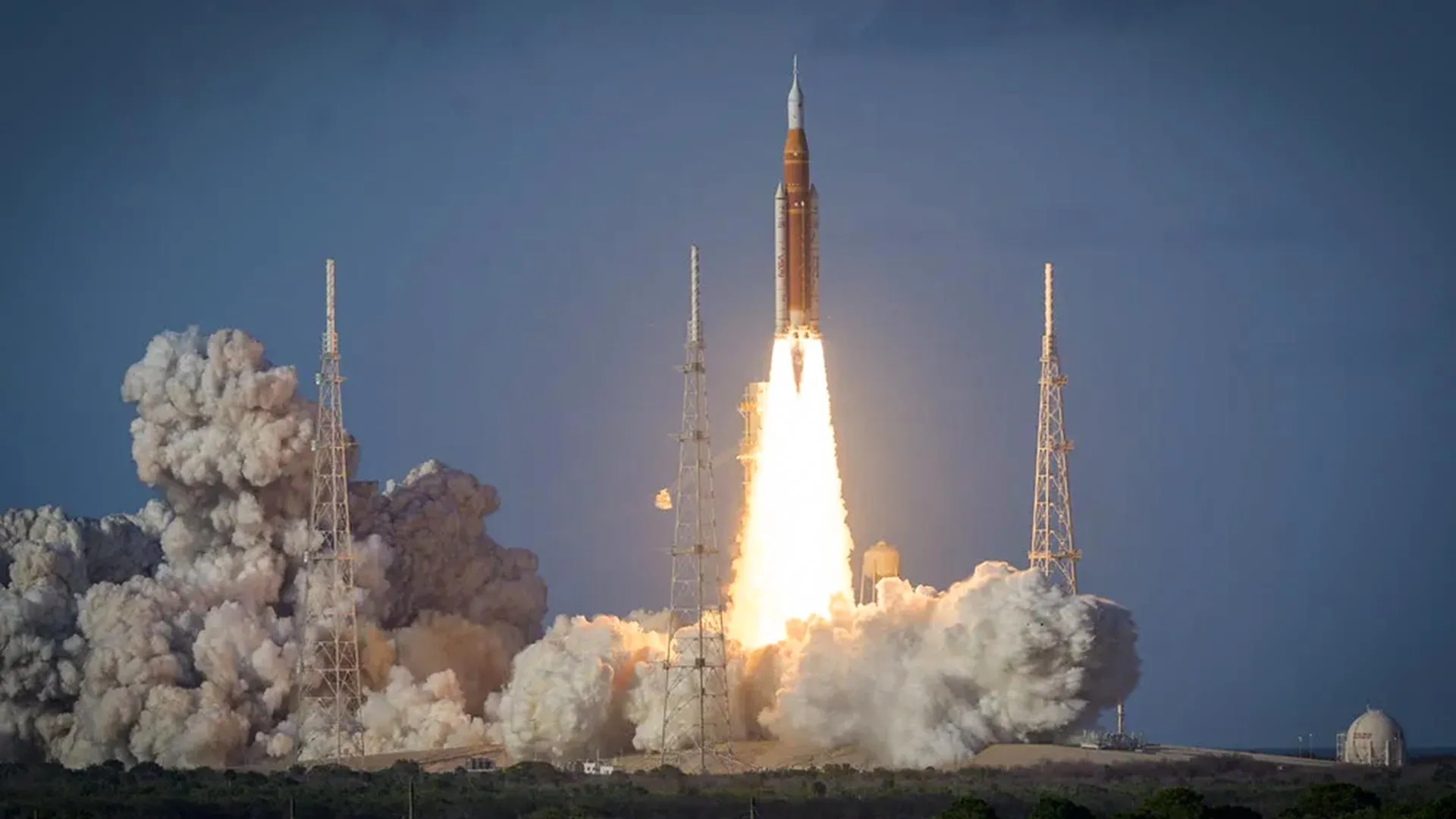
The awards fit into NASA's broader Artemis campaign, which aims to return astronauts to the Moon and, eventually, sustain a long-term base near the lunar south pole, where permanently shadowed craters are thought to hold water ice. That ice could one day be mined for drinking water, breathable oxygen and rocket propellant. Robotic scouts like these four missions are meant to map the terrain, characterize the dangers and lay the logistical groundwork before humans arrive to stay.