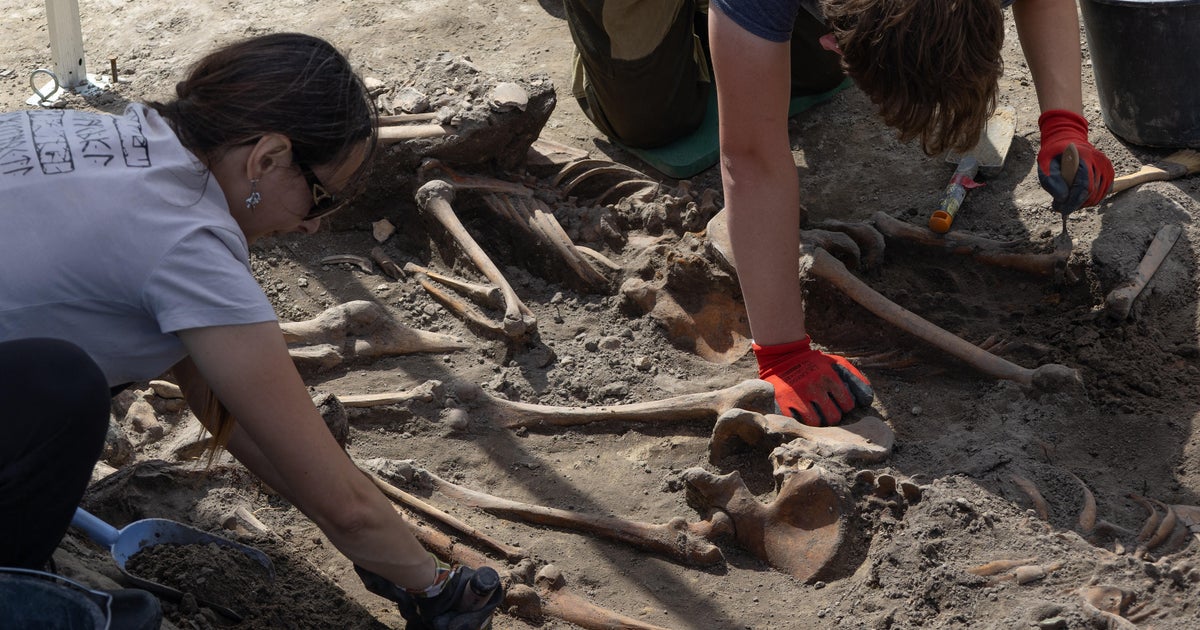
Archaeologists Uncover the 3,000-Year-Old Tomb of an Egyptian Official in Luxor
A Leiden University team found the rock-cut burial of a New Kingdom dignitary named Paser in the Theban necropolis, complete with a courtyard, chapel and underground chambers.

Archaeologists working in the hills above Luxor have uncovered a roughly 3,000-year-old tomb belonging to an ancient Egyptian official named Paser, a rare intact glimpse into the burial customs of the New Kingdom elite. The discovery was made by a team from Leiden University led by Egyptologist Carina van den Hoven in the Sheikh Abd al-Qurna area of the Theban necropolis, the vast city of the dead on the west bank of the Nile opposite modern Luxor.
Paser lived during the 19th or 20th Dynasty, roughly between 1295 and 1070 B.C., a period that spanned some of Egypt's most powerful pharaohs and its wealthiest imperial age. His tomb follows the template favored by high-ranking Theban officials of the era, with an open courtyard leading to a main chapel carved directly into the rock and a floor plan shaped like an inverted "T." Below the chapel, a series of underground chambers held coffins and funerary goods intended to accompany the deceased into the afterlife.
The Sheikh Abd al-Qurna hillside is honeycombed with such tombs, many of them decorated with vivid scenes of daily life, religious ritual and the journey to the netherworld. Tombs of this type were designed to serve both as burial places and as chapels where relatives and priests could perform offerings for the dead, blending the practical and the sacred in a single monument. Researchers hope inscriptions and paintings inside Paser's tomb will help pin down his exact titles and the reign in which he served.
The find is part of a remarkable run of discoveries in the Luxor region this season. Egyptian authorities announced the excavation of 18 tombs along the country's Mediterranean coast in mid-July, and archaeologists elsewhere have continued to pull New Kingdom and later burials from the sands, underscoring how much of ancient Egypt's record still lies buried after two centuries of intensive exploration.
Each such tomb offers scholars more than treasure. The architecture, the arrangement of chambers, the style of decoration and the objects left behind all help reconstruct the social hierarchy, religious beliefs and craftsmanship of a civilization that obsessively prepared for the afterlife. Officials like Paser, who administered estates, temples or royal projects, occupied the crucial middle tier between pharaoh and commoner, and their tombs often preserve details about governance and everyday life that royal monuments omit.
Conservators will now document and stabilize the tomb before any objects are removed, a painstaking process meant to protect fragile paint and inscriptions exposed to air for the first time in millennia. For Egypt, where archaeology is both a scientific pursuit and a pillar of the tourism economy, the discovery is another reminder that the Theban necropolis, explored for more than 200 years, has yet to surrender all of its secrets.