NASA's Perseverance Rover Just Ran a Full Marathon on Mars — 26.2 Miles in Five Years
The car-sized rover crossed the 42.195-kilometer mark on its 1,890th Martian day while exploring ancient terrain west of Jezero Crater, shattering the pace set by its predecessor Opportunity.
NASA's Perseverance rover has notched a milestone that any human endurance athlete would recognize: it has driven the distance of a full marathon across the surface of Mars. The six-wheeled explorer rolled past 26.2 miles — 42.195 kilometers — of cumulative travel, a mark it reached after five years and four months of methodical driving over some of the most rugged terrain a robot has ever crossed.
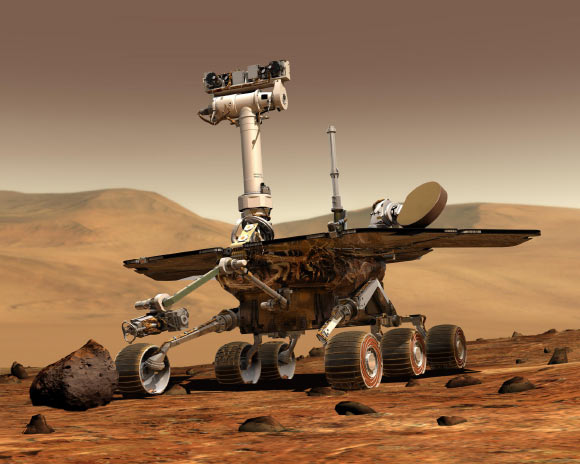
Perseverance officially crossed the marathon line on June 14, on the 1,890th Martian day, or sol, of its mission. The pace far outstripped the previous record holder, NASA's long-lived Opportunity rover, which needed 11 years and two months to cover the same distance during its epic trek across Meridiani Planum. Perseverance managed it in less than half that time, a testament to improved autonomous-navigation software that lets the rover pick its own path and drive farther each sol with less waiting on commands from Earth.
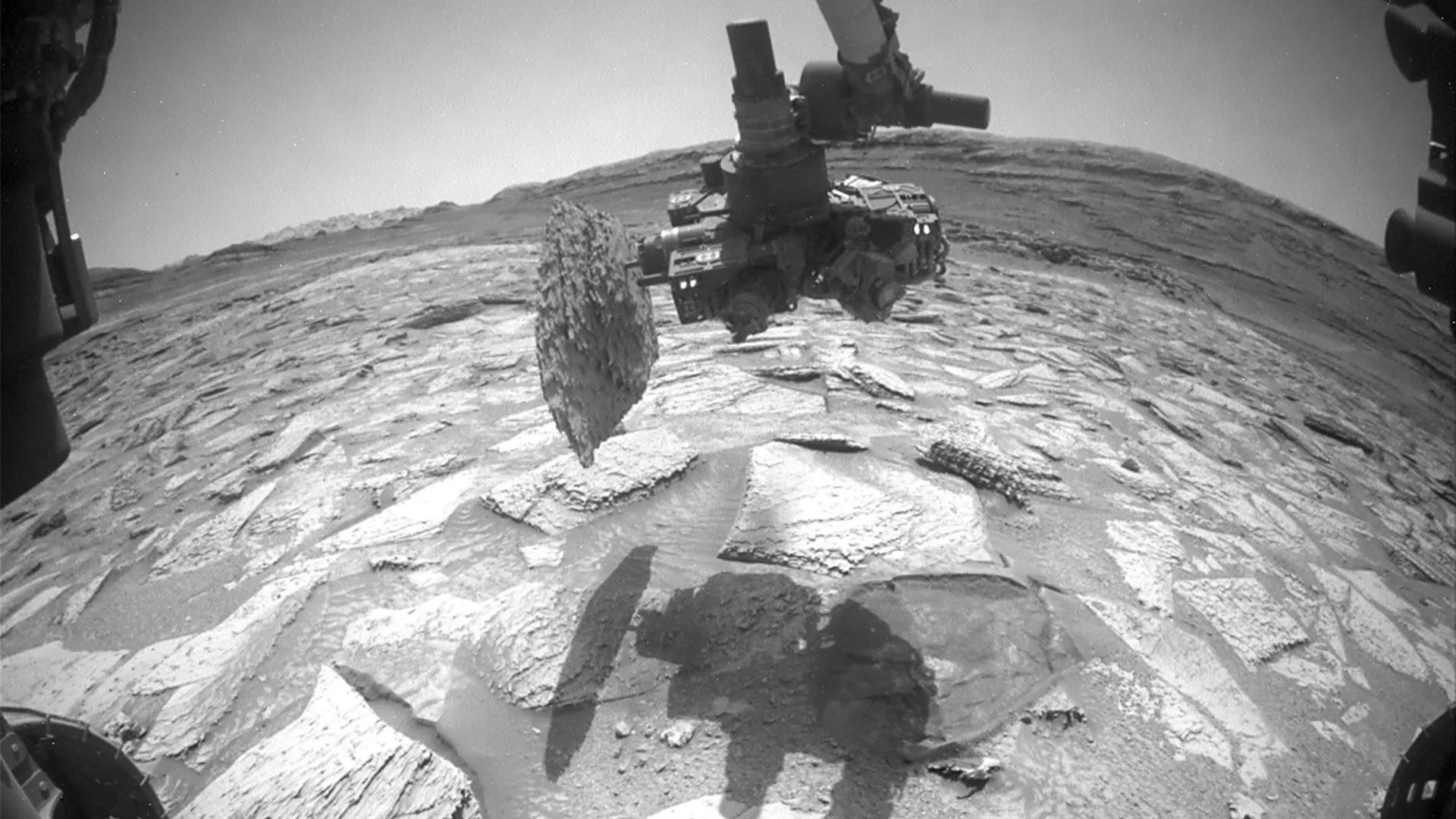
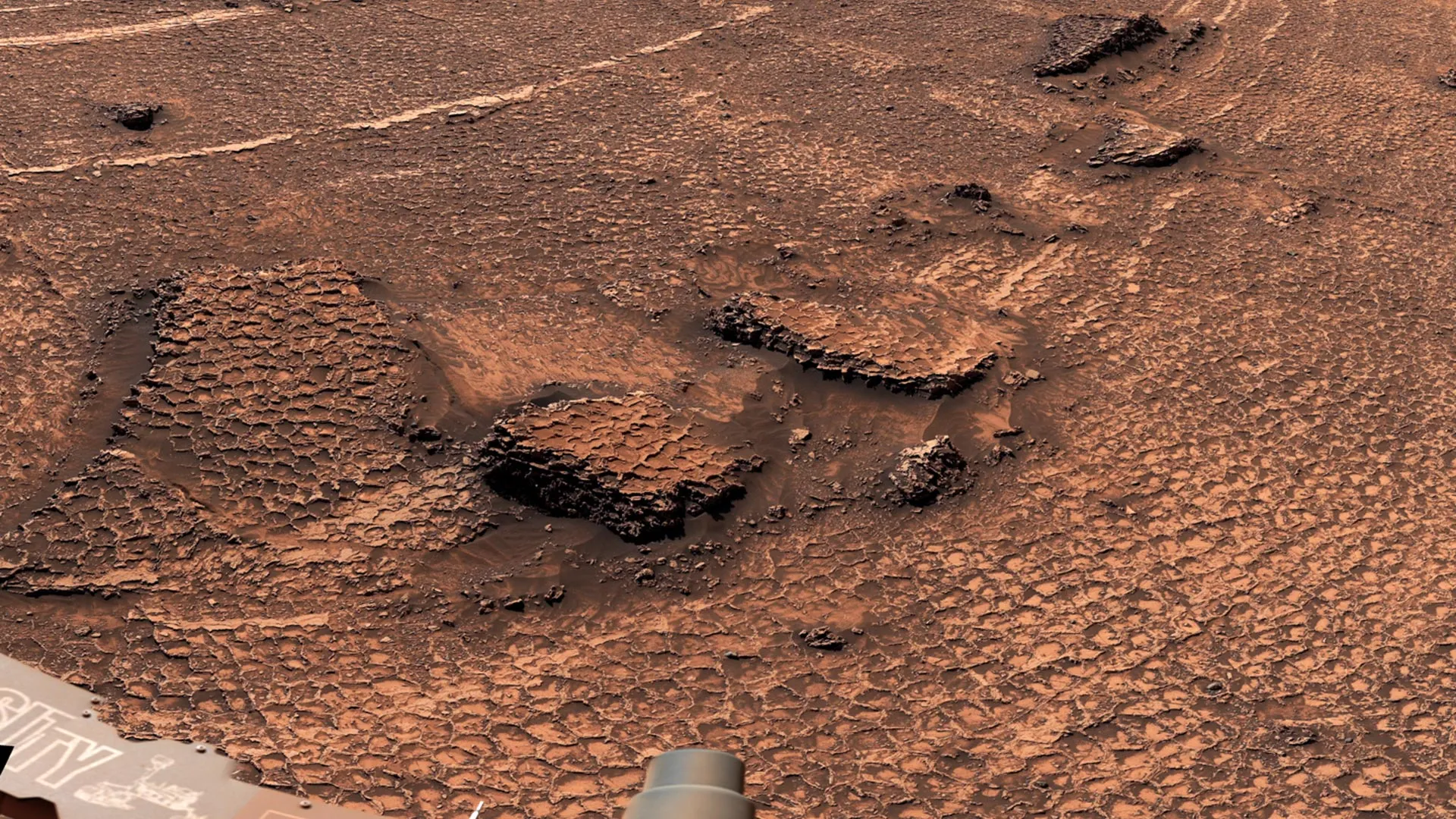
The rover hit the milestone while exploring intriguing ancient terrain to the west of Jezero Crater, the dried-up lakebed where it touched down in February 2021. That region is of intense scientific interest because it preserves rocks laid down billions of years ago, when liquid water flowed across the Martian surface — precisely the kind of environment where signs of past microbial life, if any ever existed, might be locked away in the geology.
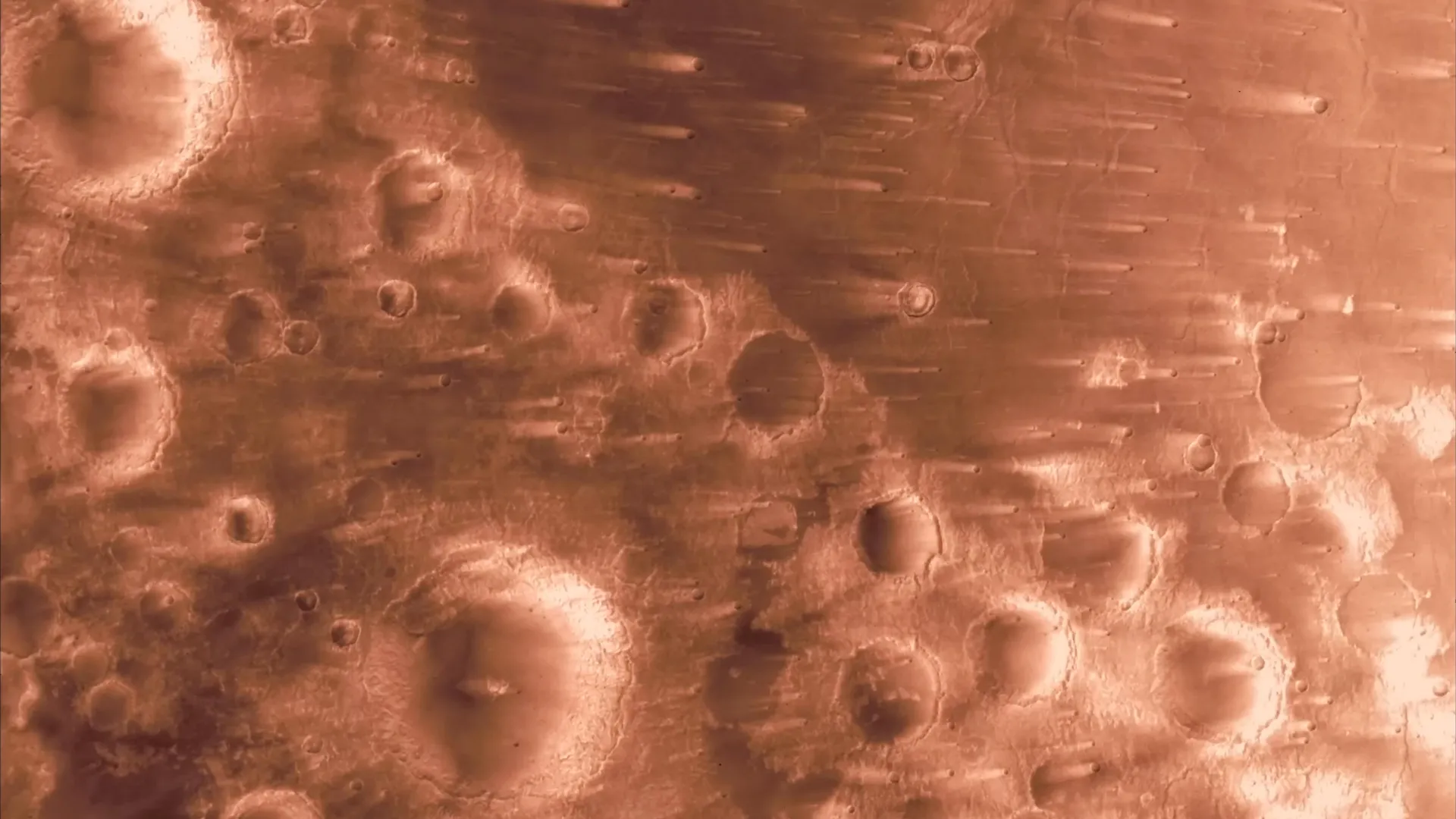
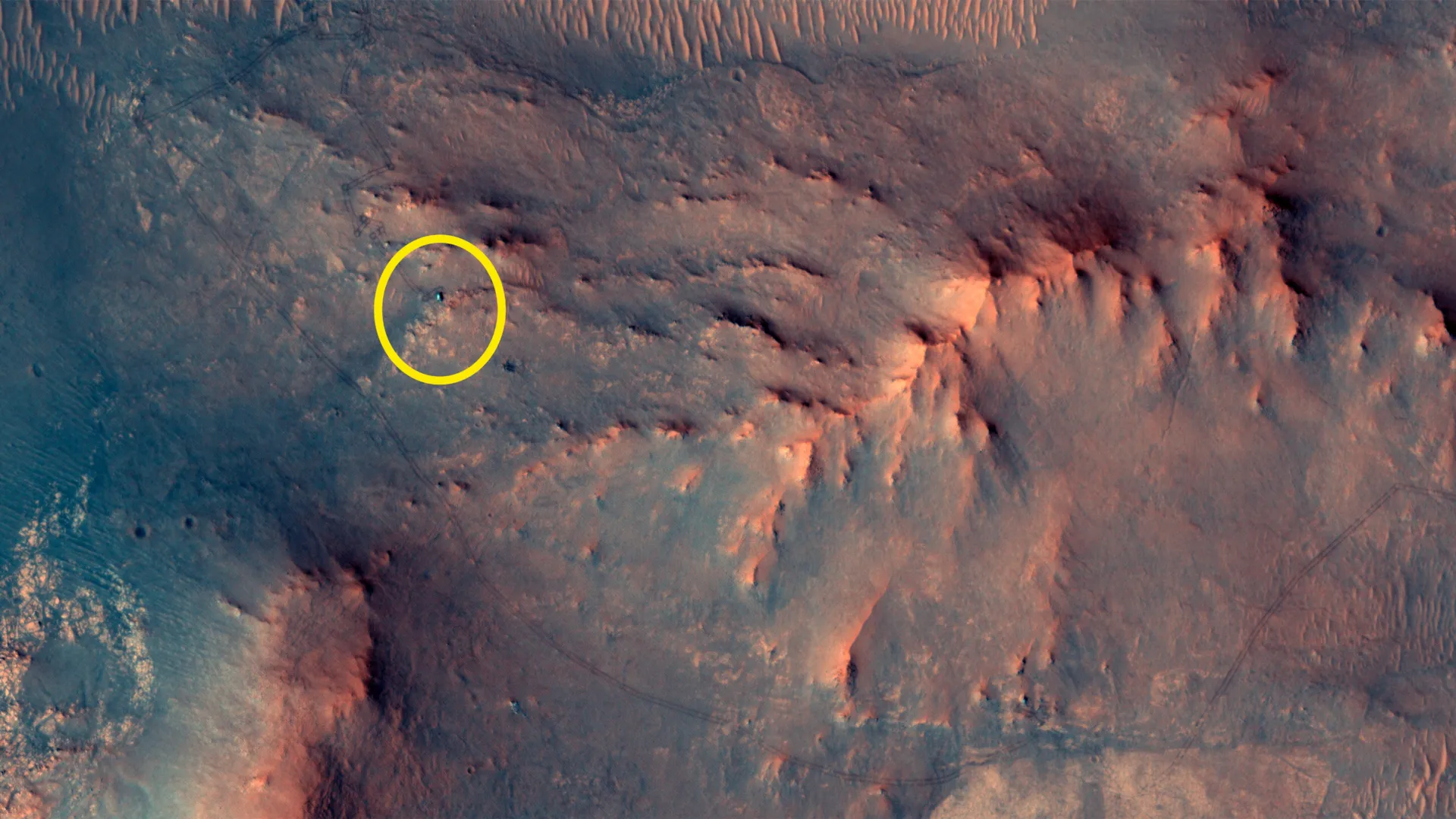
The achievement was captured from orbit in striking fashion. A new image taken on June 13, 2026 — just one day before Perseverance officially reached the distance — shows the rover as a tiny speck against the rust-colored landscape below. The overhead view was recorded by the High-Resolution Imaging Science Experiment, or HiRISE, camera aboard NASA's Mars Reconnaissance Orbiter, which has spent years photographing the planet's surface in extraordinary detail, occasionally catching the surface robots at work.
Beyond the symbolism, the marathon underscores how far planetary mobility has come. Perseverance continues to gather rock cores and seal them in sample tubes as part of an effort to eventually return Martian material to Earth for laboratory study, a campaign that hinges on the rover's ability to keep roving. Every mile it logs expands the catalog of terrain scientists can examine and stockpiles more of the geological evidence that could one day help answer whether Mars was ever home to life.
Mission engineers noted that the marathon pace reflects years of incremental gains in how the rover senses and reacts to hazards on its own. Because radio signals take many minutes to travel between Earth and Mars, drivers cannot steer Perseverance in real time; instead, they upload routes and let onboard software navigate around rocks, sand traps and steep slopes. That autonomy has steadily lengthened the distance the rover can safely cover between commands, and NASA says the same capabilities will be essential as future missions attempt even more ambitious journeys across the Red Planet.