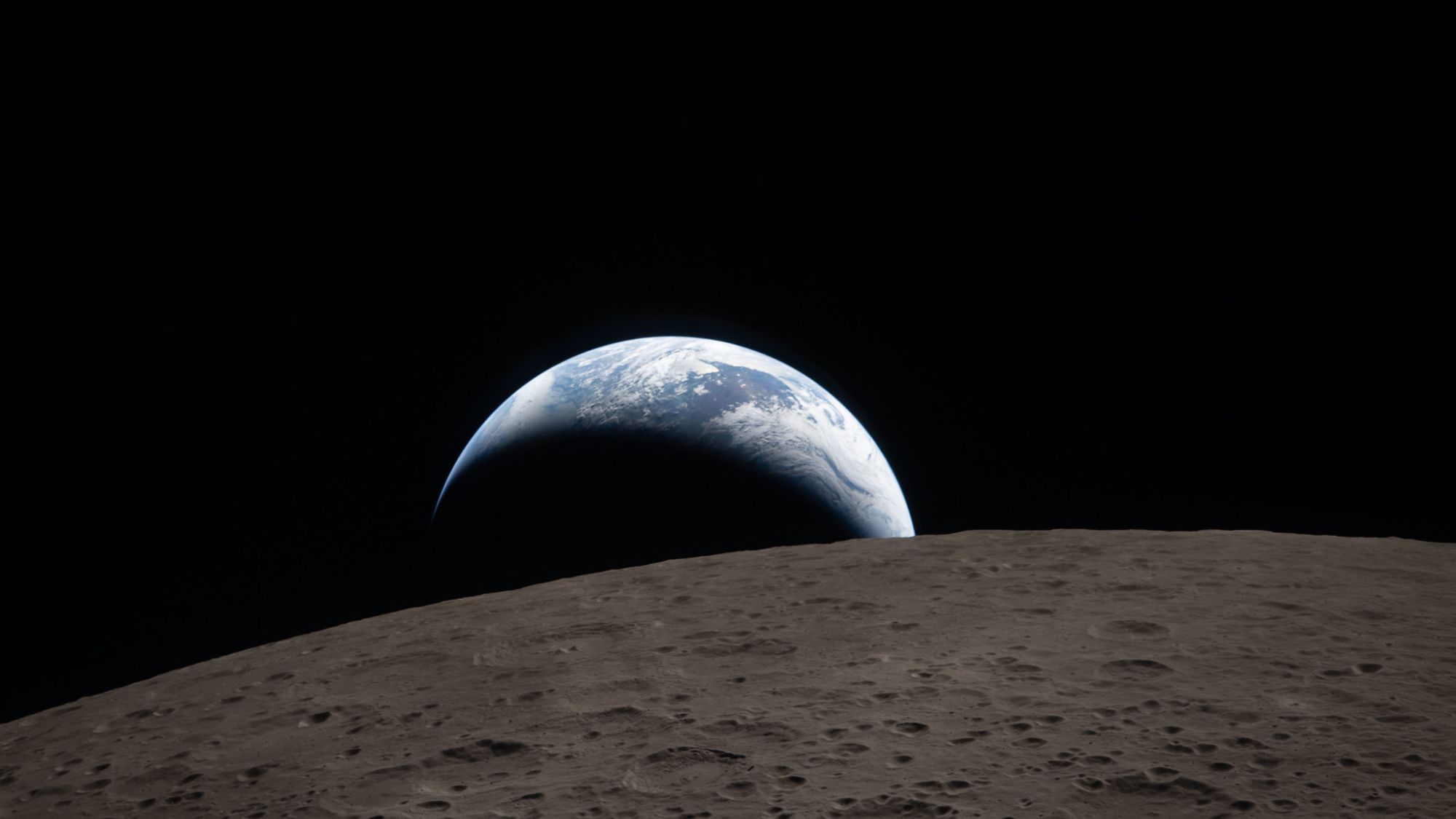
Artemis II Launches Successfully: Four Astronauts Begin Historic Moon Flyby Mission
NASA's most ambitious mission since Apollo carries crew farther from Earth than any humans in over 50 years.
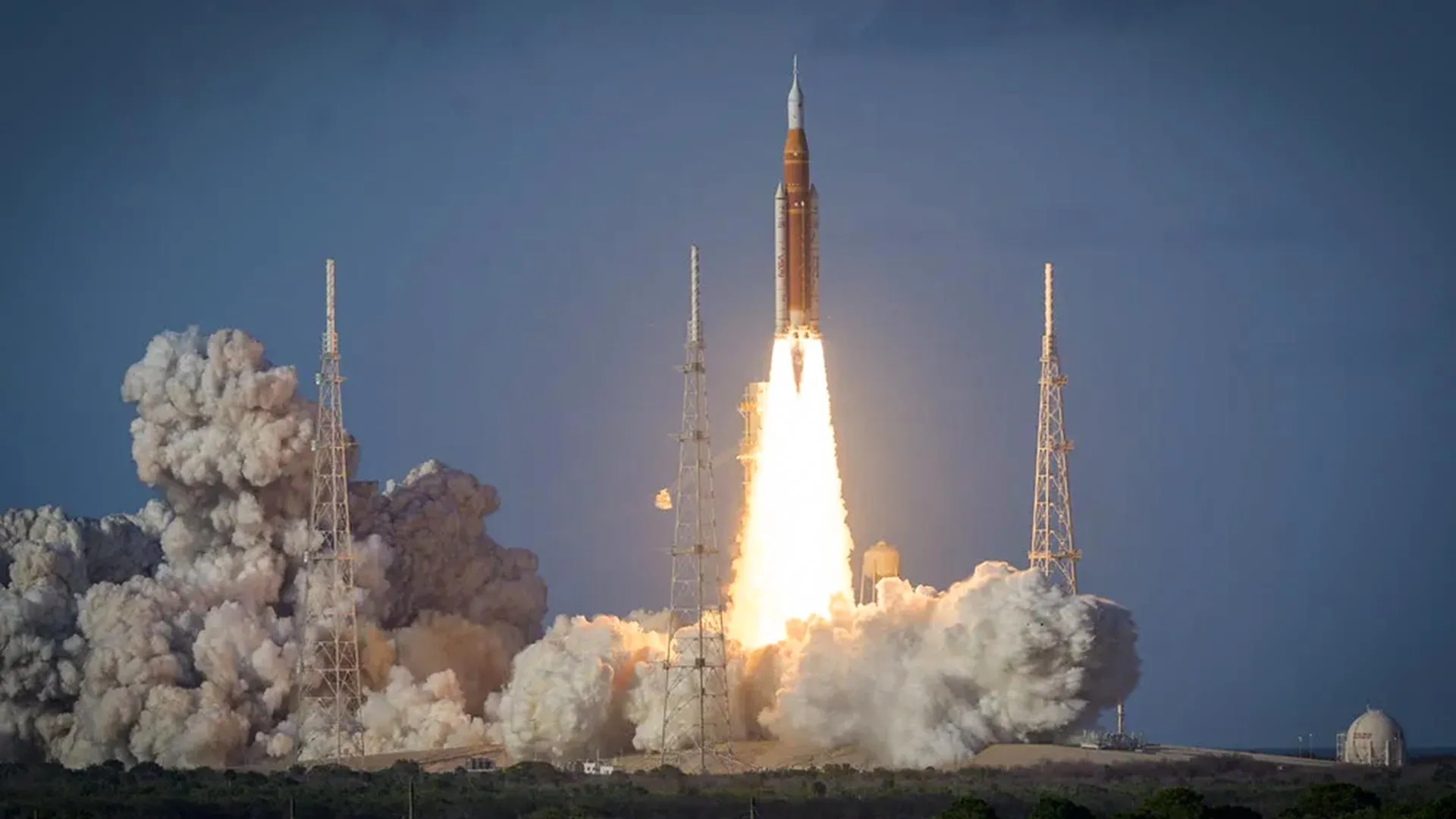
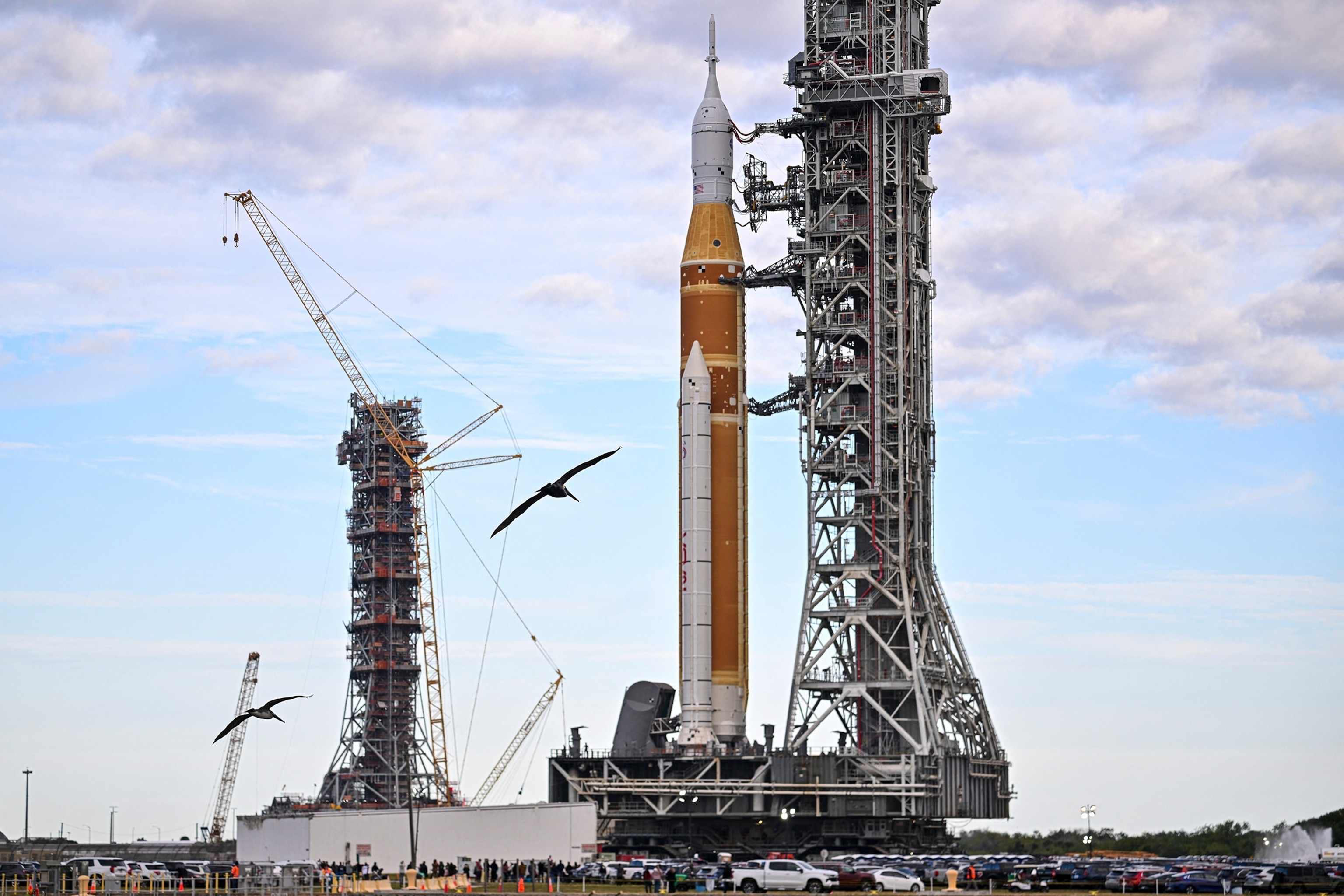
NASA successfully launched its Artemis II mission Wednesday evening, sending four astronauts on humanity's first crewed journey around the Moon in more than half a century. The Space Launch System rocket lifted off from Launch Pad 39B at Kennedy Space Center in Florida at 6:35 p.m. EDT, carrying the Orion spacecraft named "Integrity" on a carefully planned 10-day test flight that represents a defining moment in space exploration. The mission marks the beginning of NASA's ambitious campaign to establish a permanent human presence on the Moon and eventually reach Mars.
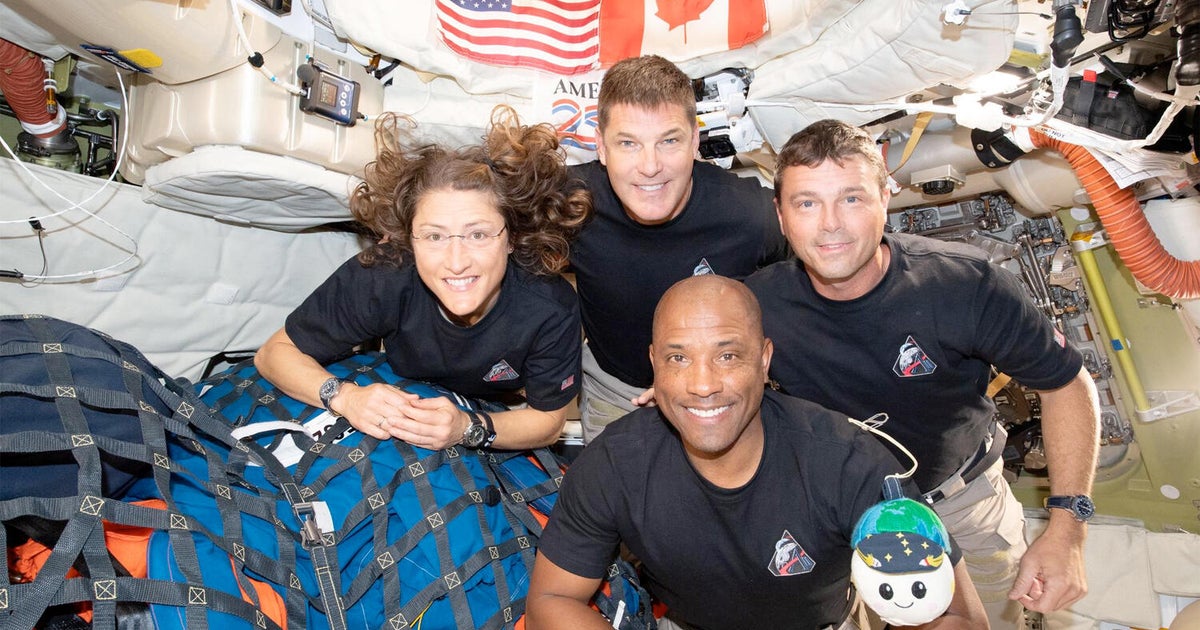
The crew includes NASA astronauts Reid Wiseman, Victor Glover, and Christina Koch, along with Canadian Space Agency astronaut Jeremy Hansen. Shortly after reaching space, Orion successfully deployed its solar array wings and began normal flight operations while ground teams monitored critical onboard systems. The spacecraft is designed to test key technologies with astronauts aboard, providing crucial data for future missions that will land crews on the lunar surface and support the planned Moon Base operations.
NASA Administrator Jared Isaacman emphasized the mission's significance in continuing the vision established by President Trump's space policy. "Today's launch marks a defining moment for our nation and for all who believe in exploration," Isaacman stated. "Artemis II builds on the vision set by President Donald J. Trump, returning humanity to the Moon for the first time in more than 50 years and opening the next chapter of lunar exploration beyond Apollo." The administrator noted that this mission represents just the beginning of a larger campaign to establish sustainable lunar operations.
The mission timeline includes several critical phases designed to thoroughly test Orion's capabilities in deep space. Approximately 49 minutes after launch, the rocket's upper stage ignited to place Orion into an elliptical Earth orbit. A second burn will push the spacecraft into a high Earth orbit reaching about 46,000 miles above the planet before separating from the rocket stage. The crew will then guide Orion on its trajectory around the Moon, testing navigation systems and life support capabilities in the harsh environment beyond Earth's protective magnetosphere.
NASA Associate Administrator Amit Kshatriya characterized Artemis II as a crucial proving ground for future lunar operations. "Artemis II is a test flight, and the test has just begun," Kshatriya explained. "Over the next 10 days, Reid, Victor, Christina, and Jeremy will put Orion through its paces so the crews who follow them can go to the Moon's surface with confidence." The successful launch represents years of development and testing, positioning NASA to compete effectively with China's own ambitious lunar exploration program while advancing American leadership in space exploration.