NASA Will Dock Orion With SpaceX and Blue Origin Moon Landers in Orbit Before Anyone Lands
Artemis III has been rewritten as a dress rehearsal: three rockets launching in quick succession in 2027, two prototype landers, and a crew that stays in Earth orbit the whole time.
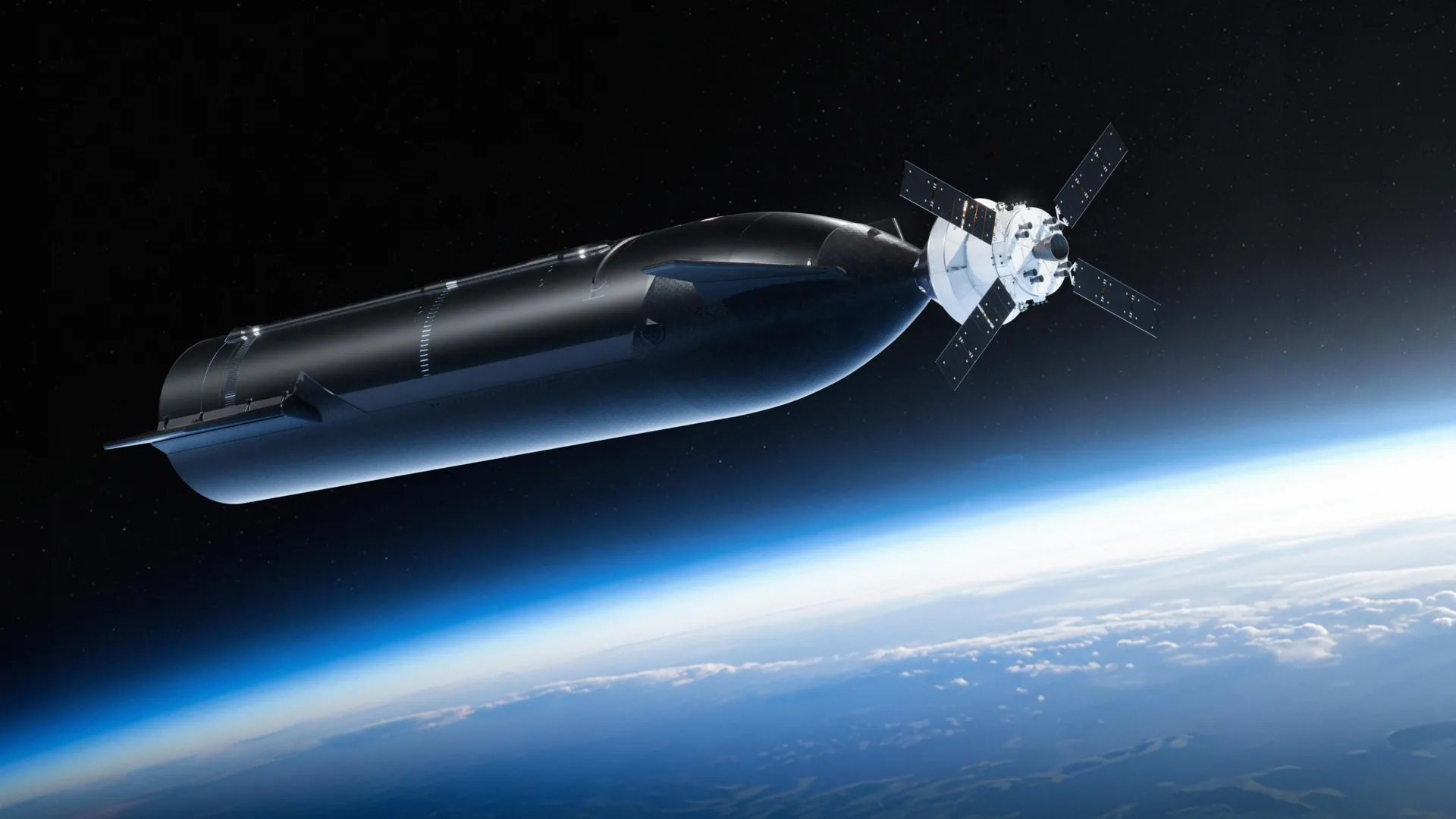
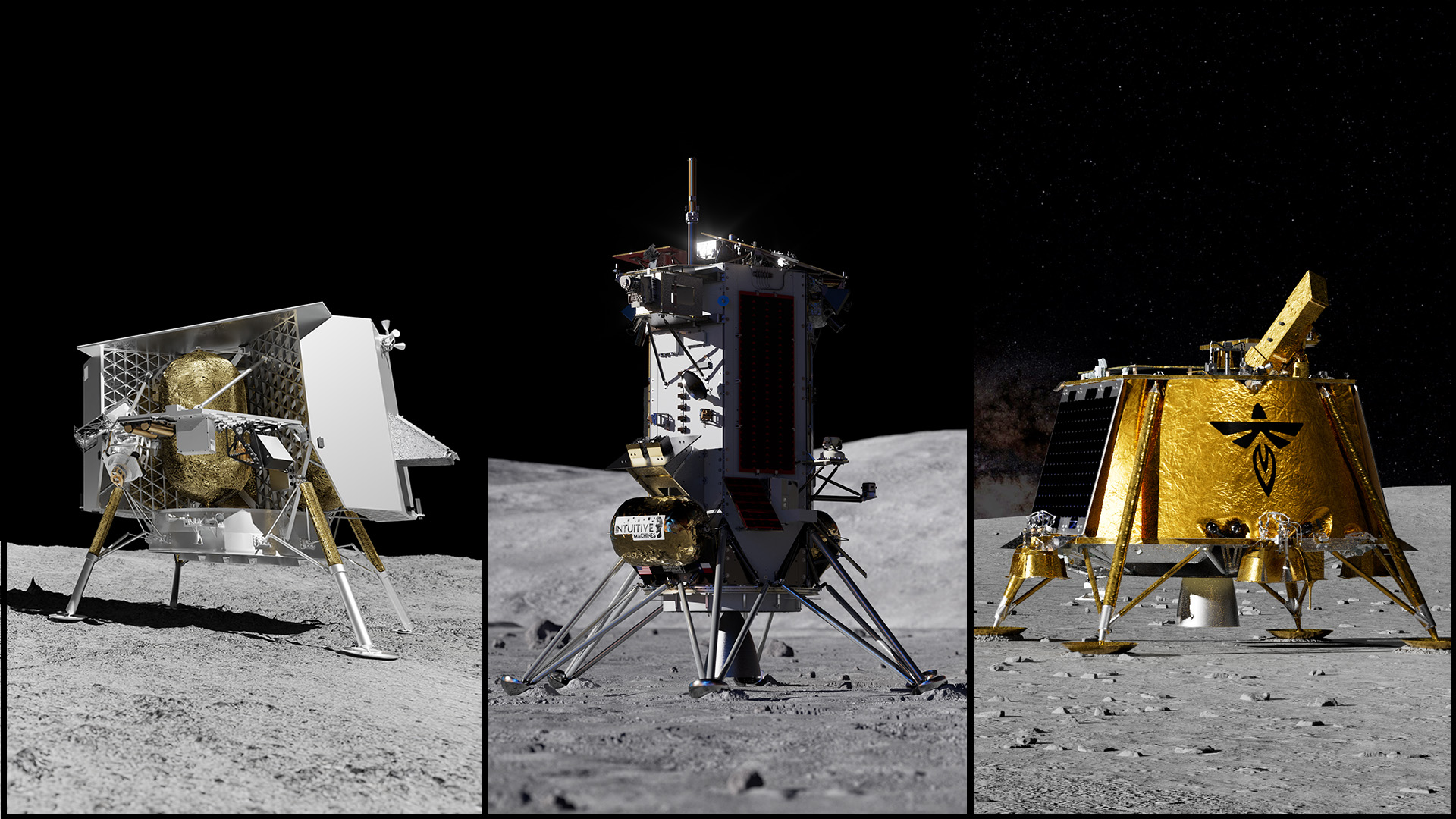
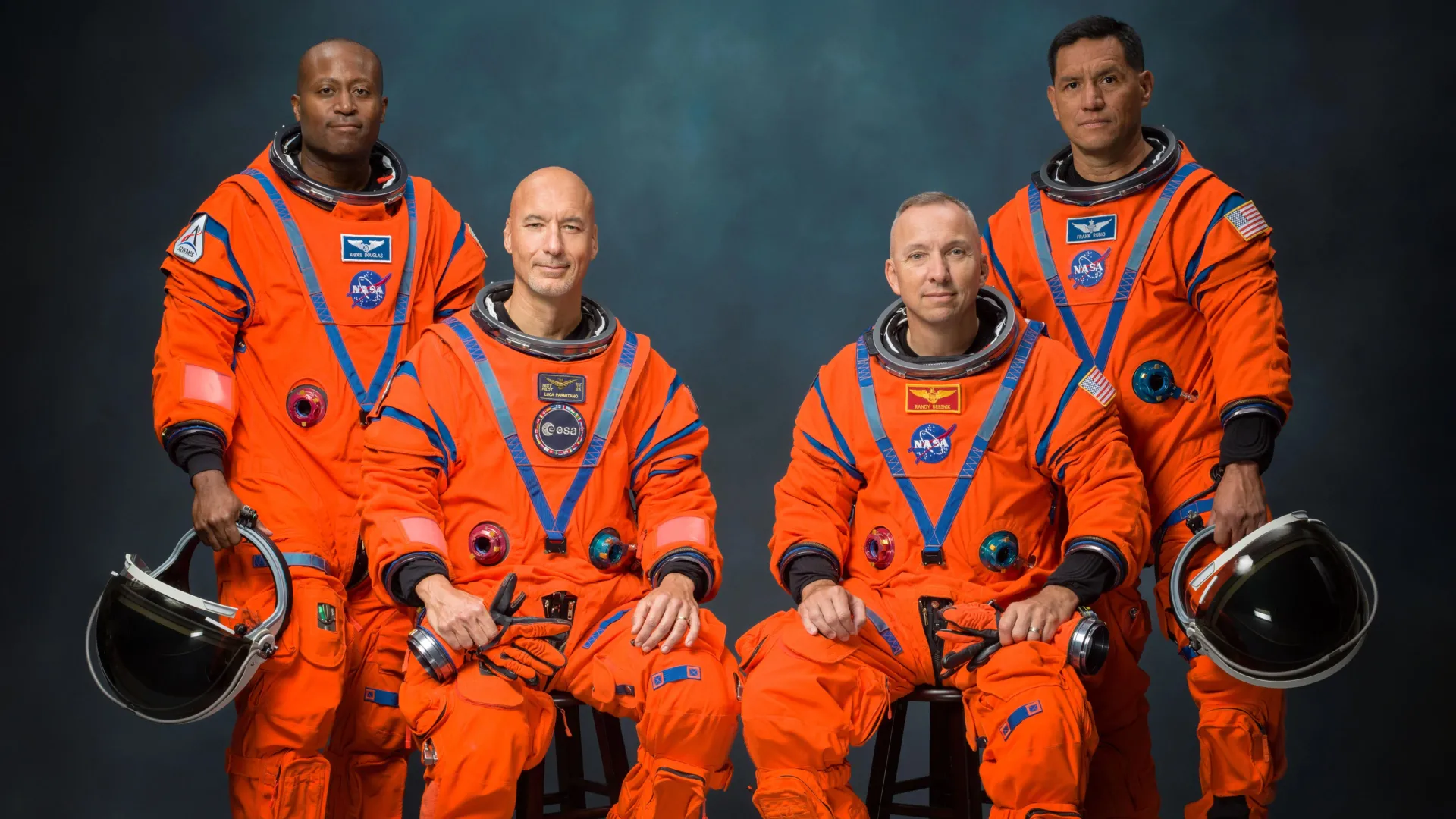
NASA has restructured Artemis III into something no Apollo mission ever attempted: a single crewed flight in 2027 during which astronauts will rendezvous and dock with two competing prototype Moon landers, one from SpaceX and one from Blue Origin, without ever leaving low Earth orbit.
The plan calls for three rockets to launch in rapid succession. Blue Origin's lander goes first — its test article can loiter in orbit for up to 30 days waiting for company. NASA's Space Launch System then lifts Orion and its crew from Launch Complex 39B at Kennedy Space Center. SpaceX's Starship follows for the second docking. The astronauts fly the same spacecraft through both encounters, evaluating two fundamentally different pieces of hardware back to back.
The two vehicles could hardly be less alike. SpaceX's test article is derived from Starship Version 3, a stack standing 171 feet tall that will approach Orion nose to nose and fly the docking sequence itself, commanding both joined vehicles while the crew stays inside Orion and watches. Blue Origin's is built on its Mark 2 crew lander architecture and carries the avionics, flight software and control systems intended for the operational vehicle. There, up to two suited astronauts will actually float into the test lander, and an instrumented spacesuit mass simulator will stream telemetry on how the cabin behaves with crew aboard.
"Each human landing system provider has taken a different approach to the Artemis III mission," said Steve Creech, who manages NASA's Human Landing System program. Jeremy Parsons, the Artemis program manager, called the sequence "a highly choreographed dance" and "one of the most complex and ambitious missions NASA has ever undertaken."
The redesign is a concession to schedule reality. Both landers have slipped repeatedly, and a crewed descent to the lunar surface on the original timeline would have meant putting astronauts on hardware that had never flown with people aboard. By moving the first crewed docking into Earth orbit — where a failed seal, a software fault or a balky thruster is survivable in hours rather than days — NASA gets the riskiest software and rendezvous data early and cheaply, and gets it for both vendors simultaneously rather than betting the program on one.
If the 2027 rehearsal goes cleanly, the agency's target is a crewed landing in 2028. That still leaves a great deal unproven, most notably orbital propellant transfer, which Starship needs before it can carry astronauts from lunar orbit to the surface and back. But the Artemis III profile now generates flight-proven data on docking interfaces, cabin environments and crew ingress for two independent landers in a single mission — the kind of redundancy the program has lacked since the day it was announced, and the reason NASA is willing to spend an entire crewed flight without touching the Moon at all.