NASA Unveils Artemis III Crew for Complex 2027 Mission Testing Lunar Technology
Four astronauts will test unprecedented docking operations with Blue Origin and SpaceX landers in Earth orbit, paving the way for 2028 Moon landing.
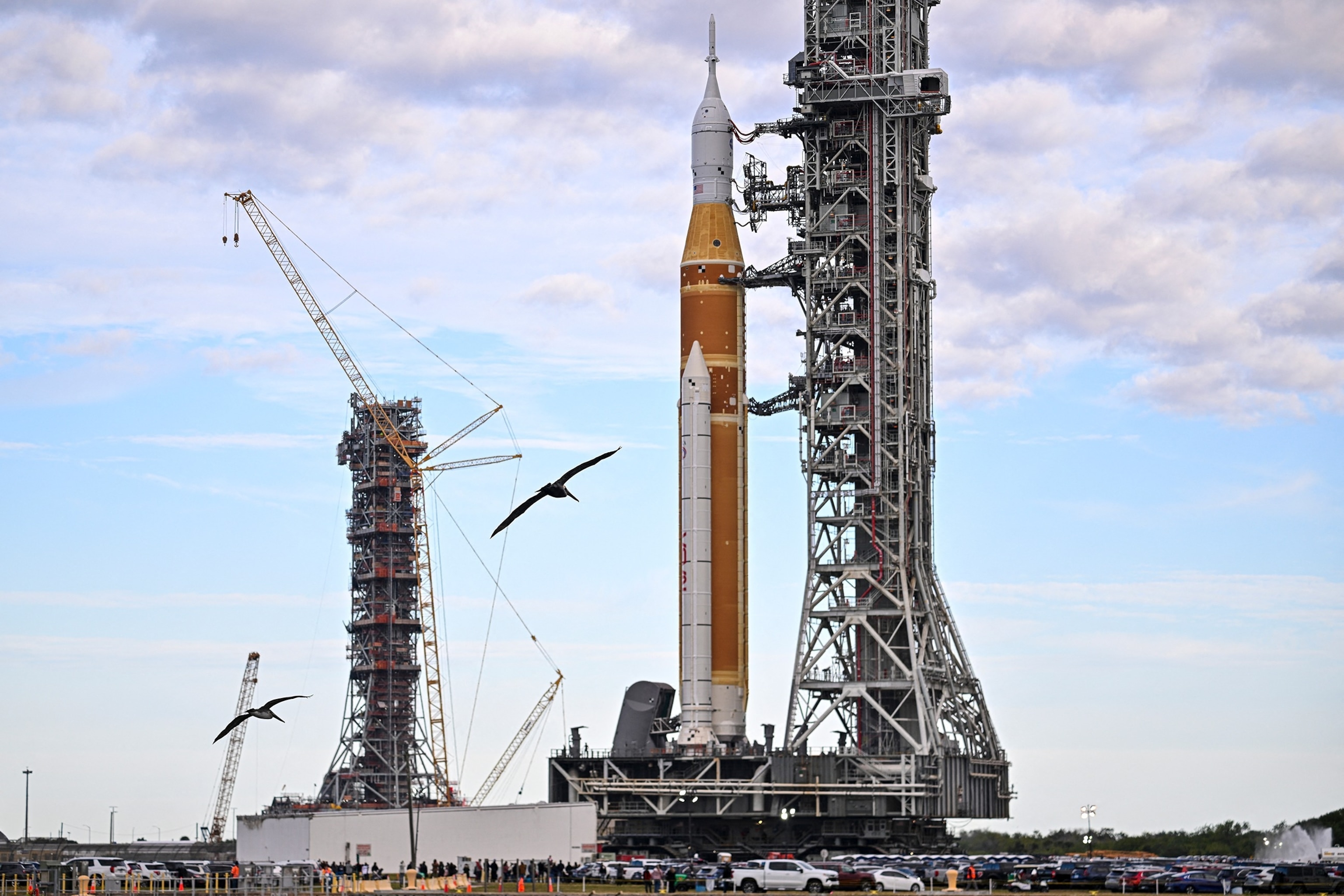
NASA has selected four astronauts for the Artemis III mission, one of the most ambitious human spaceflight missions planned in decades, designed to test critical technologies for the first crewed lunar landing in over five decades. The 2027 mission will launch aboard the Space Launch System rocket and perform complex orbital operations that are essential for the success of Artemis IV, the planned 2028 mission to the Moon's South Pole.
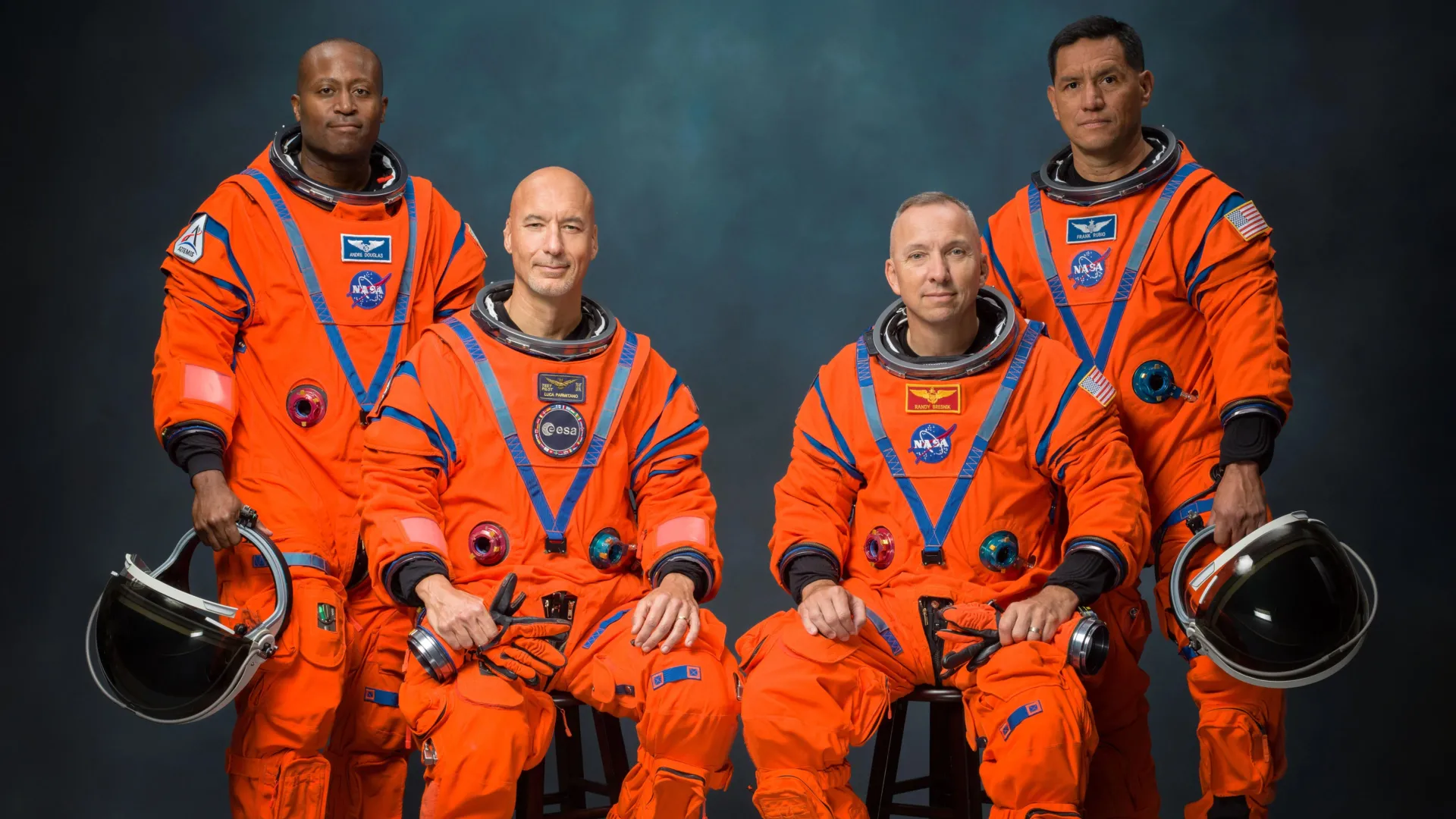
The crew includes NASA astronauts Randy Bresnik, Frank Rubio, and Andre Douglas, along with European Space Agency astronaut Luca Parmitano as pilot. NASA astronaut Bob Hines was selected as the backup crew member. This marks the first time an ESA astronaut has been assigned to an Artemis mission, reflecting the international partnership at the heart of the lunar exploration program.
Artemis III will test unprecedented rendezvous and docking operations in Earth orbit between the Orion spacecraft and prototype lunar landers being developed by both Blue Origin and SpaceX. The mission will evaluate how these systems work together, including their software, communications, propulsion systems, and other critical technologies that must function flawlessly for future Moon missions.
The complexity of the mission requires what NASA Administrator Jared Isaacman described as "the most awe-inspiring coordination of heavy-lift rocket launches in history." The astronauts will begin immediate training on Orion systems while supporting the development and testing of the lunar lander prototypes that will be used during their Earth orbital mission.
"Artemis III will demonstrate the power of American innovation and international partnership as we test complex rendezvous and docking operations and advance the technologies that will one day carry us deeper into the solar system," Isaacman said. The mission represents a crucial stepping stone toward establishing a sustained human presence on the Moon and eventually sending crews to Mars. ESA's participation through Parmitano's assignment and the European Service Module that powers Orion demonstrates Europe's central role in humanity's return to deep space exploration.