Artemis II Crew Splashes Down Off San Diego, Ending Historic 10-Day Moon Mission
Commander Reid Wiseman, Victor Glover, Christina Koch, and Jeremy Hansen returned safely to Earth on Friday evening, completing the first crewed lunar orbit in more than 50 years.
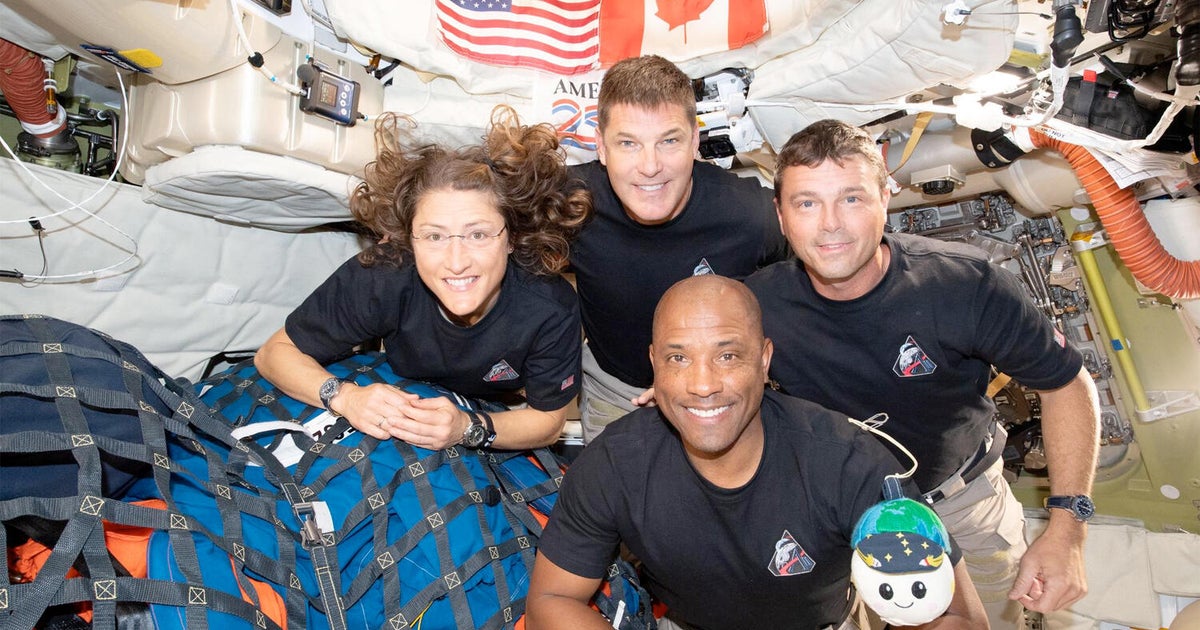
Four astronauts aboard NASA's Orion spacecraft splashed down in the Pacific Ocean off the coast of San Diego on Friday evening, ending a landmark 10-day mission that took humans farther from Earth than any person has traveled since the Apollo era. The Artemis II crew — Commander Reid Wiseman, Pilot Victor Glover, Mission Specialist Christina Koch, and Canadian Space Agency astronaut Jeremy Hansen — touched down at approximately 8:07 p.m. EDT, completing NASA's first crewed flight around the Moon in more than 50 years.
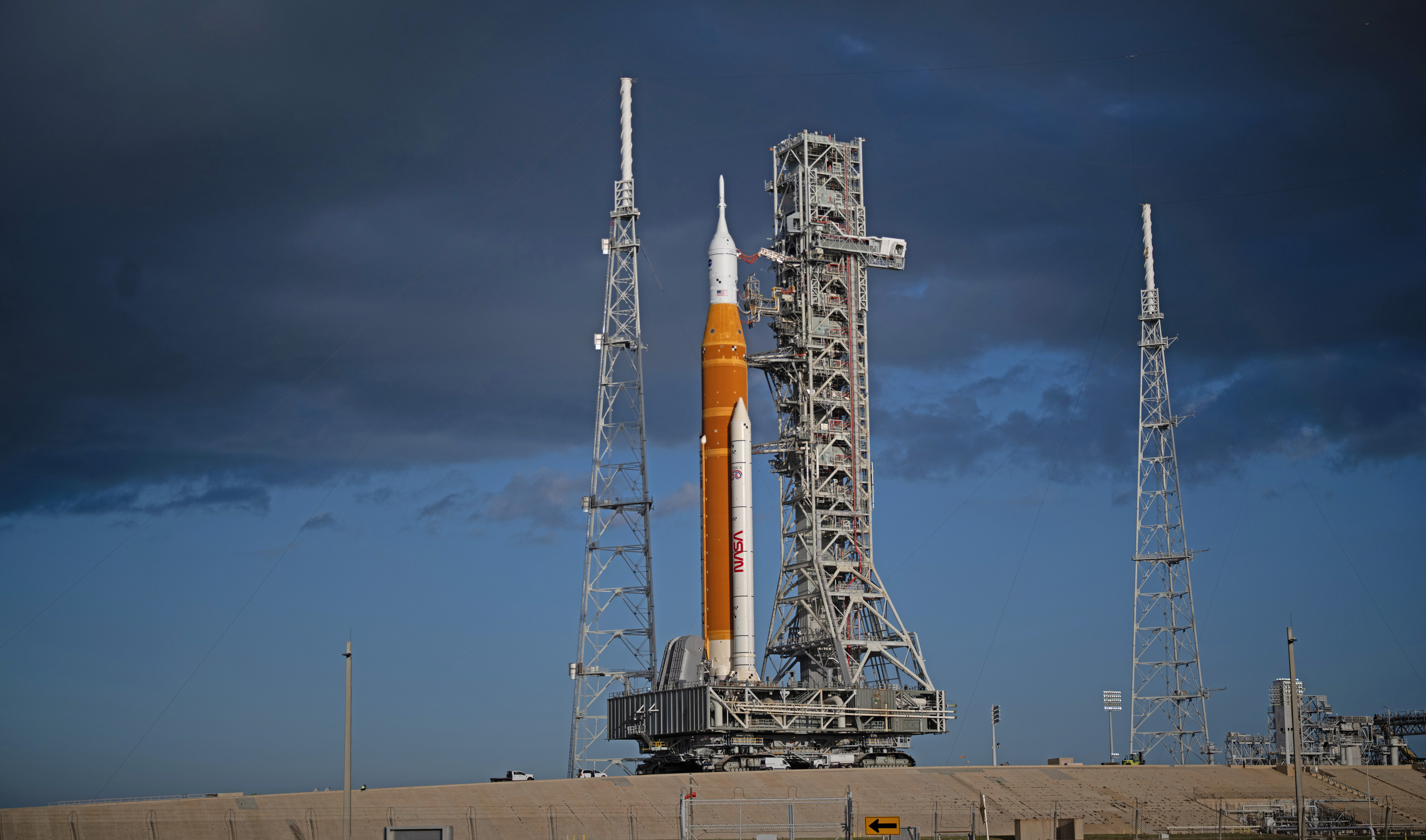
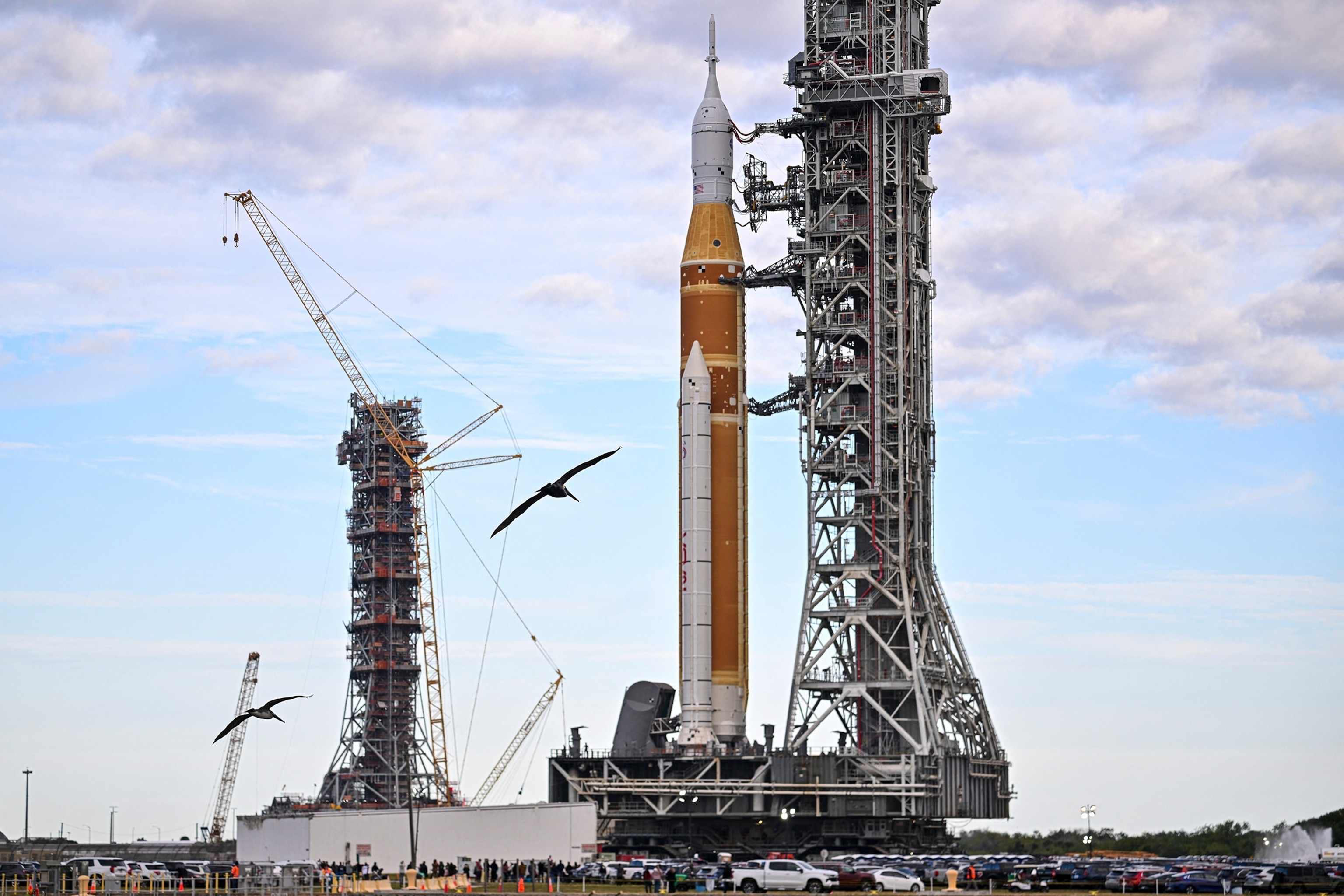
The mission, which launched April 1 from Kennedy Space Center aboard the Space Launch System rocket, achieved a historic milestone on April 6 when the crew surpassed the record for farthest human spaceflight. At 12:56 p.m. CDT, the Orion spacecraft passed 248,655 miles from Earth, eclipsing the record set by Apollo 13 in 1970. The crew ultimately reached a maximum distance of approximately 252,756 miles from Earth — a record that stood for more than five decades before Artemis II shattered it.
"From the cabin of Integrity here, as we surpass the furthest distance humans have ever traveled from planet Earth, we do so in honoring the extraordinary efforts and feats of our predecessors in human space exploration," astronaut Jeremy Hansen said during the record-breaking moment, referring to the spacecraft's call sign. The crew named their Orion capsule "Integrity" and gave the name "Carroll" to a lunar crater spotted during the mission — a tribute from Commander Wiseman to his late wife.
The mission produced a series of extraordinary firsts. During the lunar flyby, the crew came within 4,067 miles of the lunar surface, allowing them to witness portions of the Moon's far side never before seen by human eyes directly. They observed a solar eclipse from space, watched at least four meteorite impact flashes on the lunar surface, and transmitted unprecedented photographs including a stunning "Earthset" image showing a crescent Earth dipping below the Moon's limb. Victor Glover described the solar eclipse as looking "just unreal," while Christina Koch reflected that she would miss "this camaraderie" of the tight-knit crew.
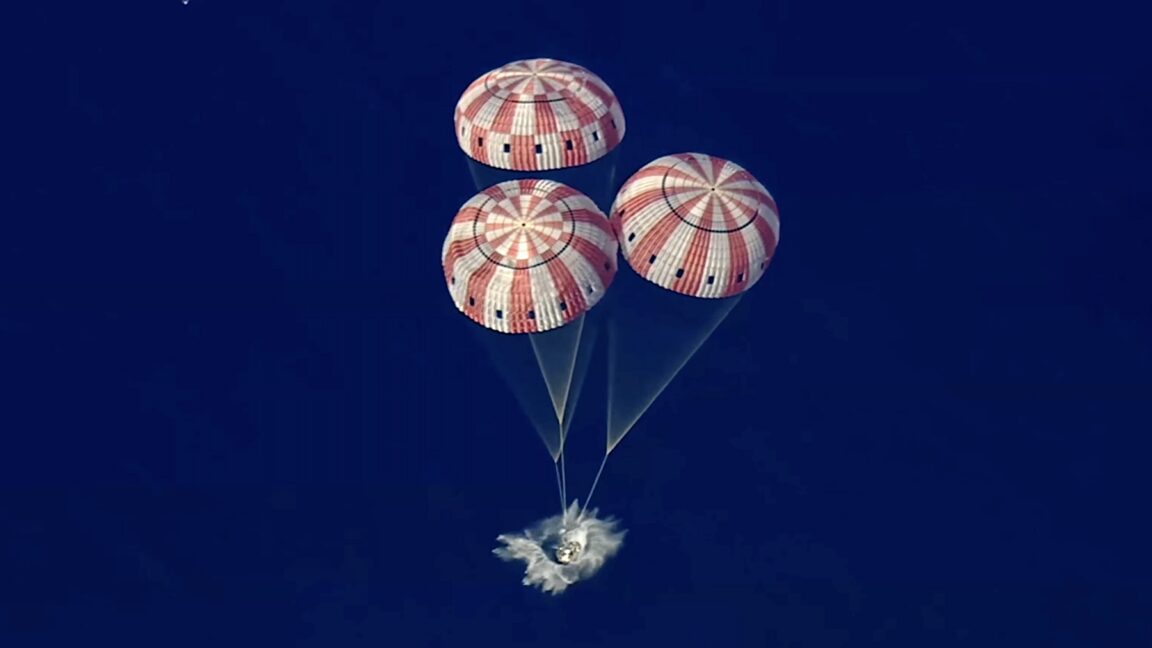
The reentry sequence required Orion to endure peak heating as it hurtled into Earth's atmosphere. During the six-minute communications blackout beginning at 7:53 p.m. EDT, the spacecraft experienced temperatures reaching thousands of degrees on its heat shield. After emerging from blackout, Orion deployed drogue parachutes near 22,000 feet before its three main parachutes unfurled at roughly 6,000 feet to slow the capsule. Recovery teams aboard the USS John P. Murtha stood by to retrieve the crew by helicopter. Glover had described the return as "riding a fireball through the atmosphere."
NASA mission managers said the mission demonstrated that Orion, the Space Launch System, and their ground operations are ready for lunar landing attempts. The agency encountered one technical issue — a liquid oxygen pressurization anomaly in the service module detected shortly after launch — but managers confirmed the isolated manifold was not required for crew return and did not affect the mission. Artemis II was a critical step toward Artemis III, which aims to land astronauts on the lunar surface, including the first woman and first person of color to walk on the Moon. For NASA, the splashdown marked the beginning of the next chapter in America's return to deep space.