For Artemis II, Earth Reentry May Prove Most Dangerous Part of Moon Mission
After a successful flight around the moon, astronauts will rely on a flawed heat shield to protect them during atmospheric reentry.
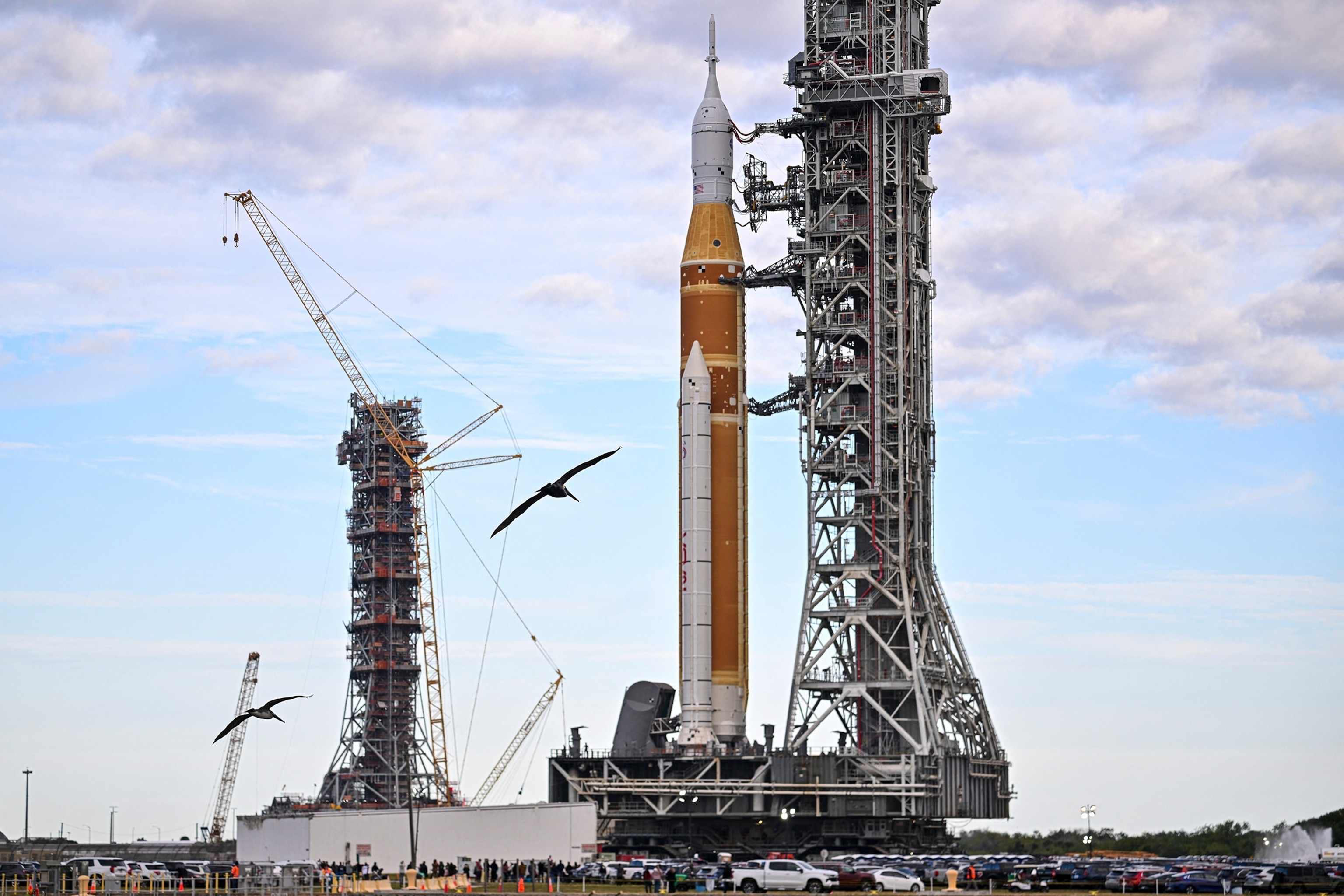
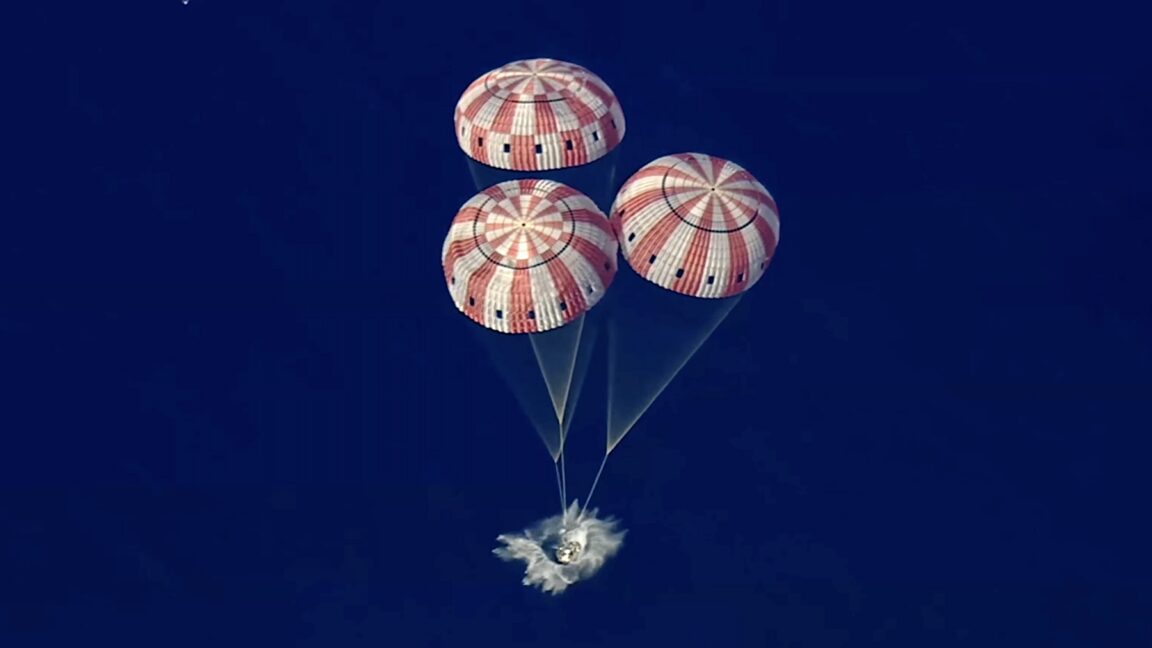
NASA's Artemis II mission faces its greatest challenge not in the vacuum of space or during lunar orbit, but in the final moments as the crew capsule screams back through Earth's atmosphere at over 25,000 miles per hour. The mission's heat shield, designed to protect the four astronauts from temperatures exceeding 5,000 degrees Fahrenheit, has known flaws that engineers are still working to fully understand and mitigate. This critical phase of reentry represents what many consider the most dangerous aspect of humanity's return to lunar exploration.
The heat shield problems first came to light during the uncrewed Artemis I mission, when post-flight analysis revealed unexpected charring and material loss on the protective surface. The Avcoat material, a honeycomb-like substance that absorbs and dissipates heat through controlled ablation, did not perform exactly as predicted during the high-speed reentry. While the shield ultimately protected the capsule, the irregular wear patterns raised concerns about its reliability for a crewed mission where failure would be catastrophic.
Engineers at NASA and contractor Lockheed Martin have spent months analyzing the Artemis I heat shield, conducting ground tests, and refining their understanding of how the material behaves under extreme reentry conditions. The shield is designed to gradually burn away in a controlled manner, carrying heat away from the crew capsule. However, the actual performance showed some areas where the material came off in chunks rather than the expected smooth ablation, creating potential weak spots that could compromise crew safety.
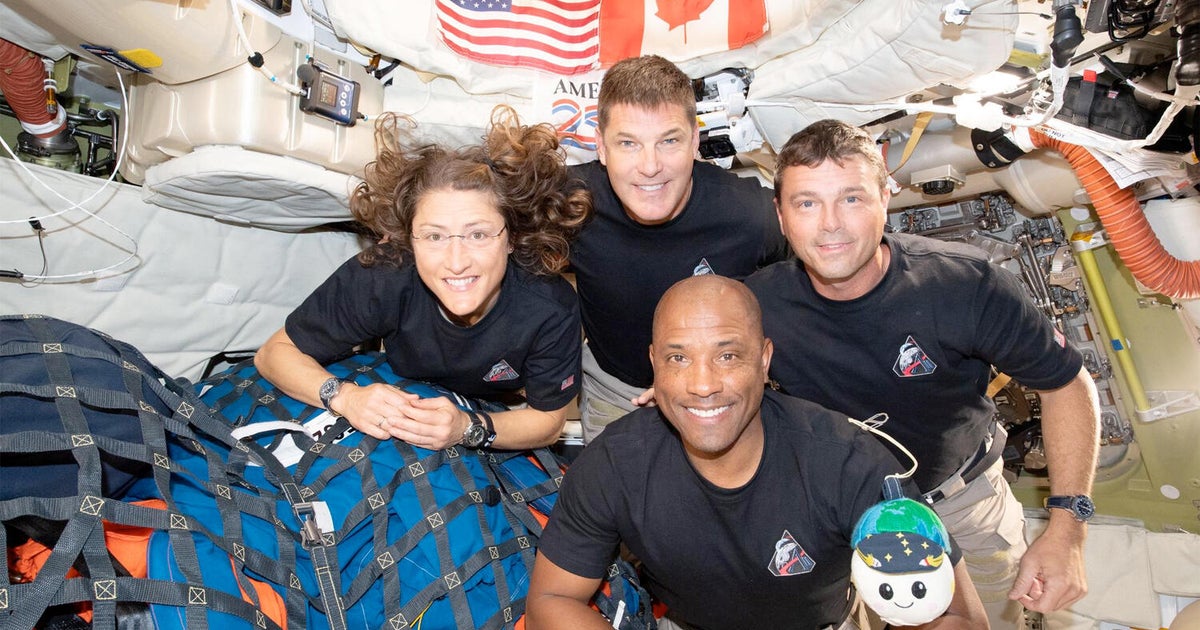
The Artemis II crew, consisting of NASA astronauts Reid Wiseman, Victor Glover, and Christina Hammock Koch, along with Canadian Space Agency astronaut Jeremy Hansen, will depend entirely on this heat shield during what mission planners call the "six minutes of terror." During this brief but intense period, the crew will experience forces up to 4 times Earth's gravity while the heat shield endures temperatures hot enough to melt copper. Mission controllers on the ground will be powerless to assist, as the plasma field surrounding the capsule will block all communications.
Despite the known issues, NASA officials express confidence that the heat shield will perform adequately for crew protection, though they acknowledge the inherent risks. The agency has implemented additional monitoring systems and refined reentry procedures to maximize safety margins. However, the successful completion of Artemis II will depend largely on whether engineers have correctly addressed the heat shield anomalies discovered during the previous mission. The stakes could not be higher as NASA prepares to send humans beyond Earth orbit for the first time since the Apollo era.