Four Astronauts Return Home After Historic Moon Mission as NASA Weighs Artemis Future
Artemis II crew completes successful lunar flyby mission, setting stage for debates over next steps in America's moon exploration program.

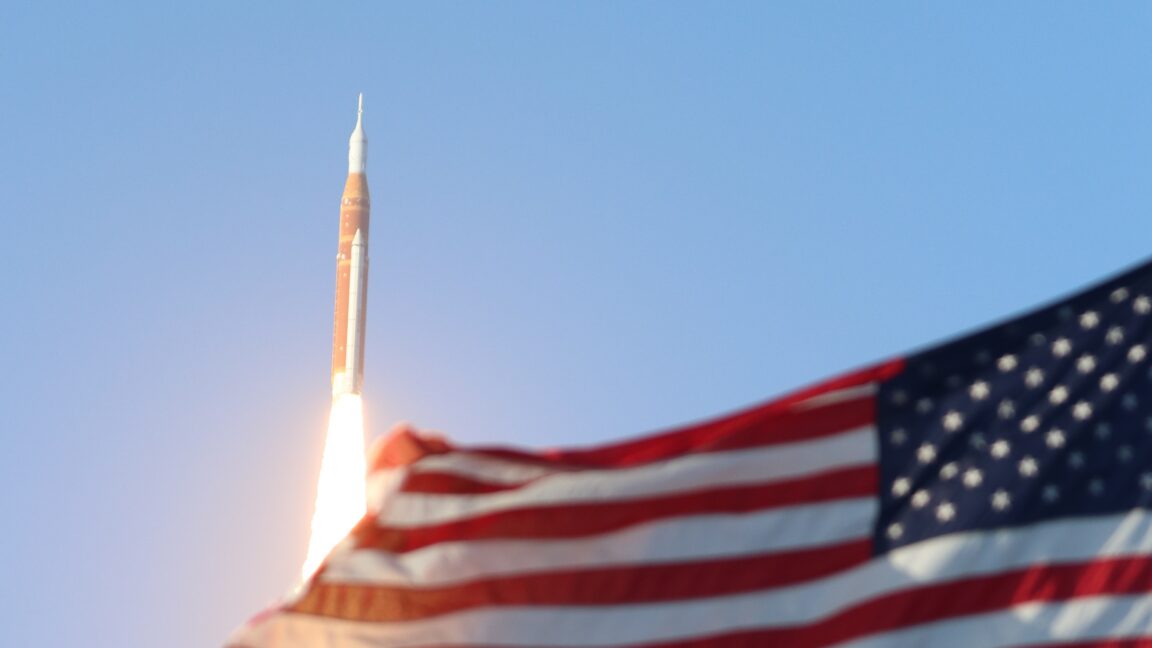
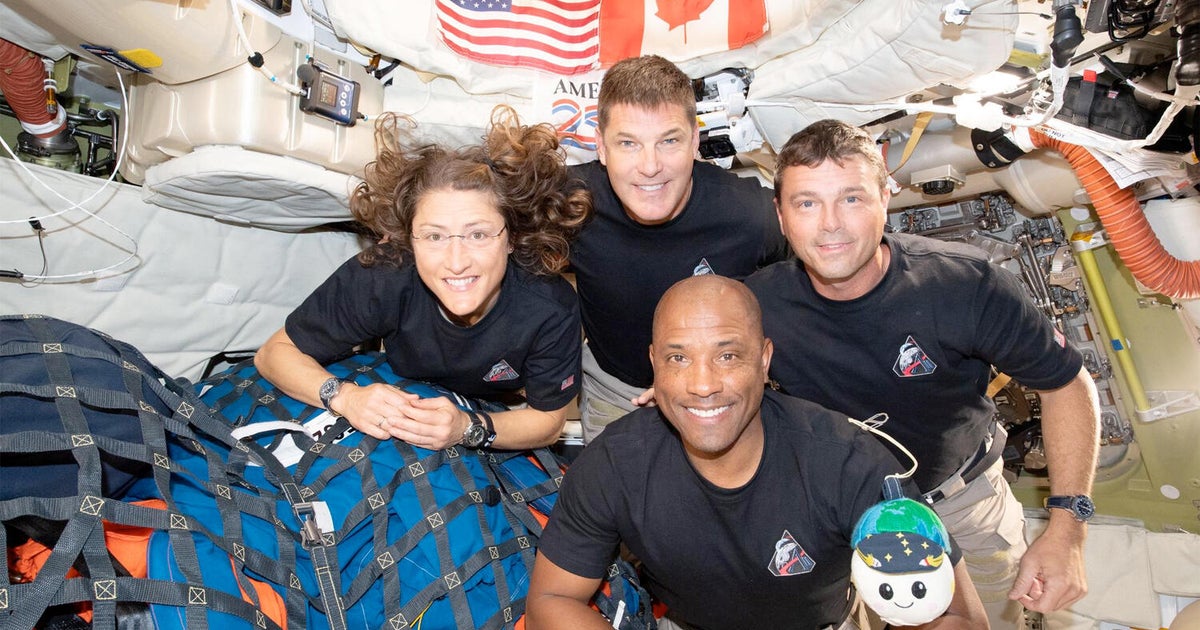
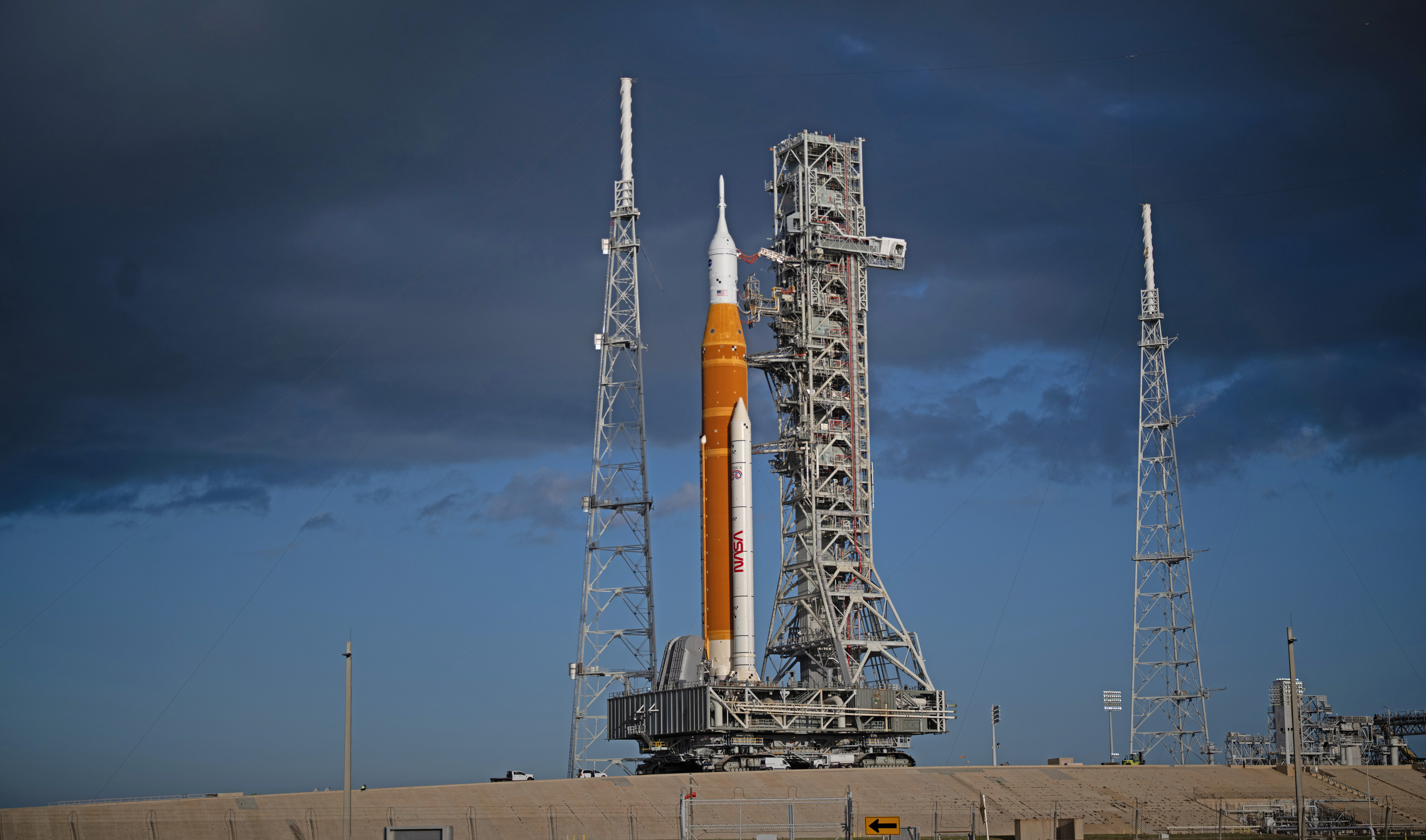
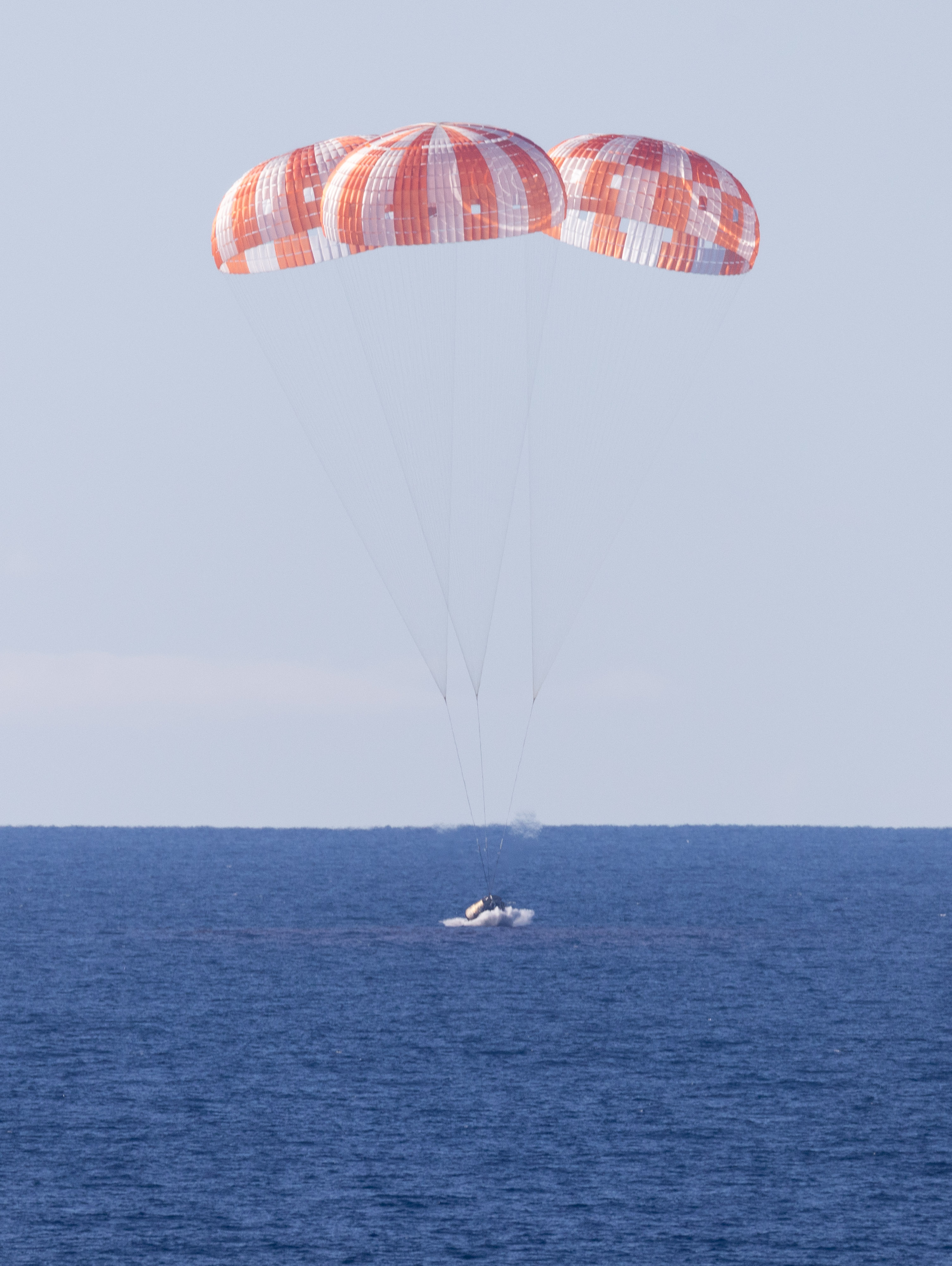
Four astronauts have safely returned to Earth after completing the Artemis II mission, marking the first crewed lunar flyby in over five decades and achieving a major milestone in NASA's ambitious plan to return humans to the Moon's surface. The successful mission demonstrated that NASA's Orion spacecraft and Space Launch System rocket can safely transport astronauts on deep space missions, validating years of development work following the program's troubled early history. However, the mission's completion now raises critical questions about funding, timing, and priorities for the next phases of America's lunar exploration program.
The Artemis II crew spent approximately one week in space, traveling around the Moon in a trajectory similar to the historic Apollo 8 mission from 1968. The mission served as a crucial test of NASA's life support systems, spacecraft navigation, and crew procedures in the deep space environment beyond Earth's protective magnetosphere. Mission controllers monitored the crew's health and spacecraft performance throughout the journey, gathering valuable data that will inform future Artemis missions and help refine operational procedures for longer-duration lunar expeditions.
NASA officials have described the mission as a complete success, praising the crew's professionalism and the spacecraft's performance during the demanding journey. The agency collected extensive data on radiation exposure, spacecraft systems performance, and crew adaptation to the deep space environment. This information will prove essential for planning Artemis III, the mission intended to land astronauts on the lunar surface for the first time since the Apollo 17 mission in 1972.
Despite the technical success, NASA faces mounting pressure from Congress and the scientific community regarding the Artemis program's future direction and sustainability. Budget constraints, timeline pressures, and competing priorities within the space agency have raised questions about whether the current approach represents the most efficient path forward for lunar exploration. Some critics argue for focusing resources on robotic missions and technology development rather than expensive crewed flights, while supporters maintain that human exploration remains essential for achieving America's long-term space goals.
The successful completion of Artemis II sets the stage for intense debates about the program's next steps, including the timeline for Artemis III and the role of international partners in future missions. NASA must now balance the momentum generated by this success with realistic assessments of technical challenges, funding constraints, and political support for sustained lunar exploration. The decisions made in the coming months will determine whether Artemis II represents the beginning of a new era of human space exploration or simply an expensive demonstration of capabilities that may not be immediately followed up with additional missions.