Japan Airlines Tests Humanoid Robots for Luggage Handling Amid Labor Shortage Crisis
Tokyo airport trials represent a potential solution to Japan's acute workforce shortages as humanoid robots begin sorting passenger baggage in real-world conditions.
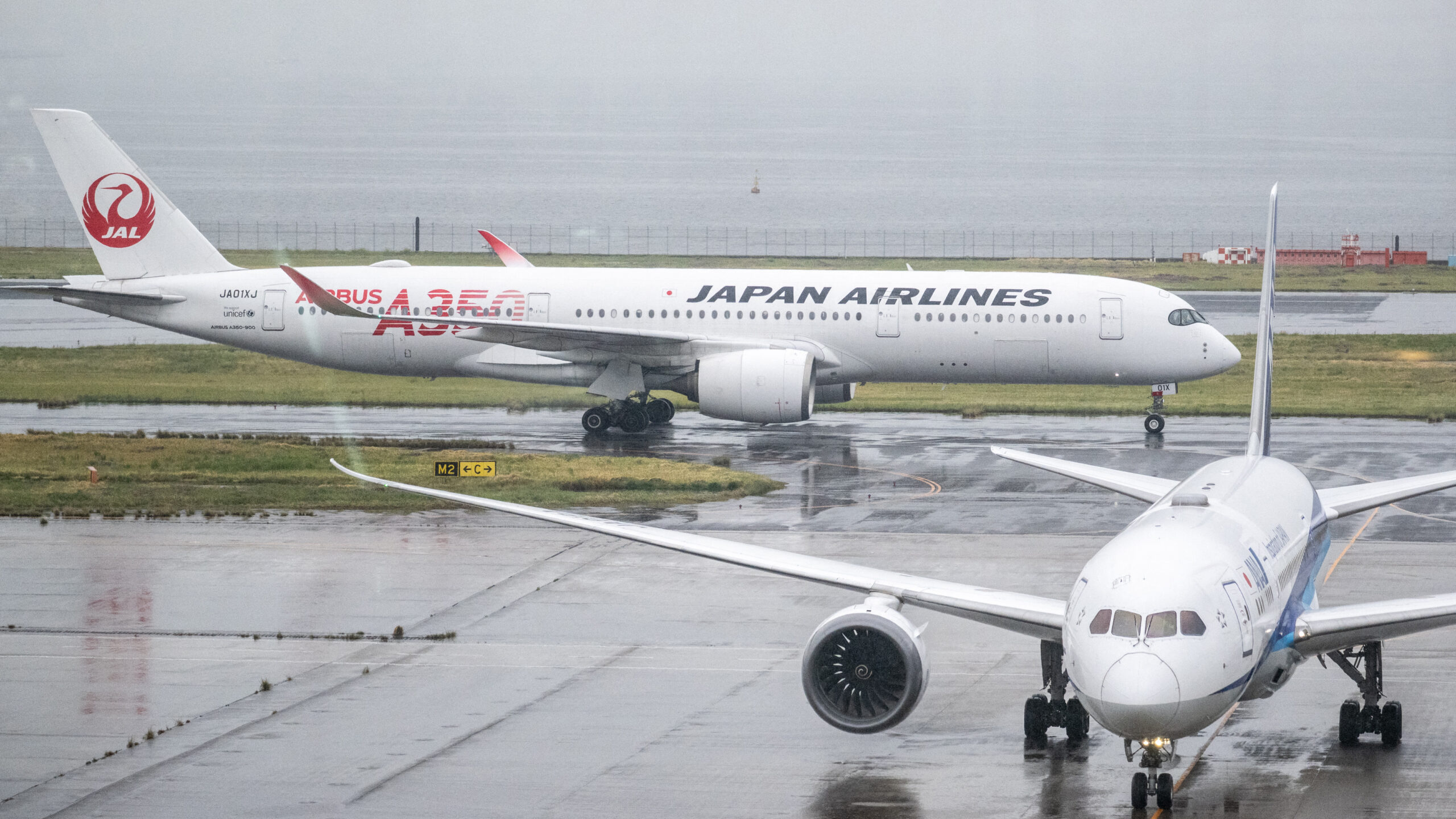
Japan Airlines has launched groundbreaking trials of humanoid robots to handle passenger luggage at Tokyo airports, marking a significant step toward automation in the aviation industry as Japan grapples with severe labor shortages across multiple sectors. The pilot program represents one of the first real-world deployments of advanced humanoid robotics in commercial airport operations, potentially setting a precedent for the global aviation industry.
The robotic systems are being tested for their ability to sort, move, and organize luggage with the precision and care required for commercial aviation operations. Japan's rapidly aging population and declining birth rate have created acute labor shortages in service industries, making automation an increasingly attractive solution for maintaining operational efficiency while reducing dependence on human workers.
The robots are designed to handle the complex physical tasks involved in luggage processing, including lifting bags of varying sizes and weights, navigating airport environments, and coordinating with existing baggage handling systems. The technology represents a convergence of advances in artificial intelligence, robotics, and sensor systems that enable machines to perform tasks previously requiring human dexterity and judgment.
Japan has positioned itself as a leader in robotics innovation, driven partly by demographic pressures that make automation economically necessary rather than simply convenient. The country's approach to integrating robots into service industries has become a model for other nations facing similar workforce challenges, particularly in sectors requiring physical labor and customer service capabilities.
The success of these trials could accelerate the adoption of humanoid robots throughout the aviation industry, potentially transforming how airports handle passenger services and baggage operations. Industry observers are closely watching the program's results, as successful implementation could provide a roadmap for addressing labor shortages while maintaining or improving service quality in one of the world's most demanding operational environments.