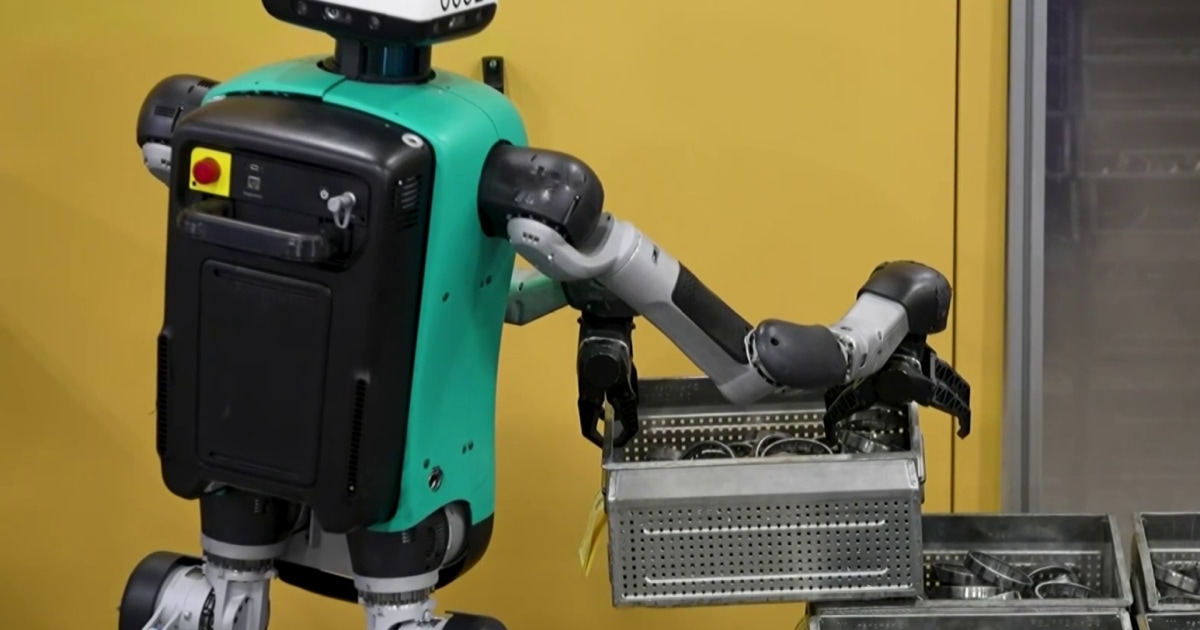
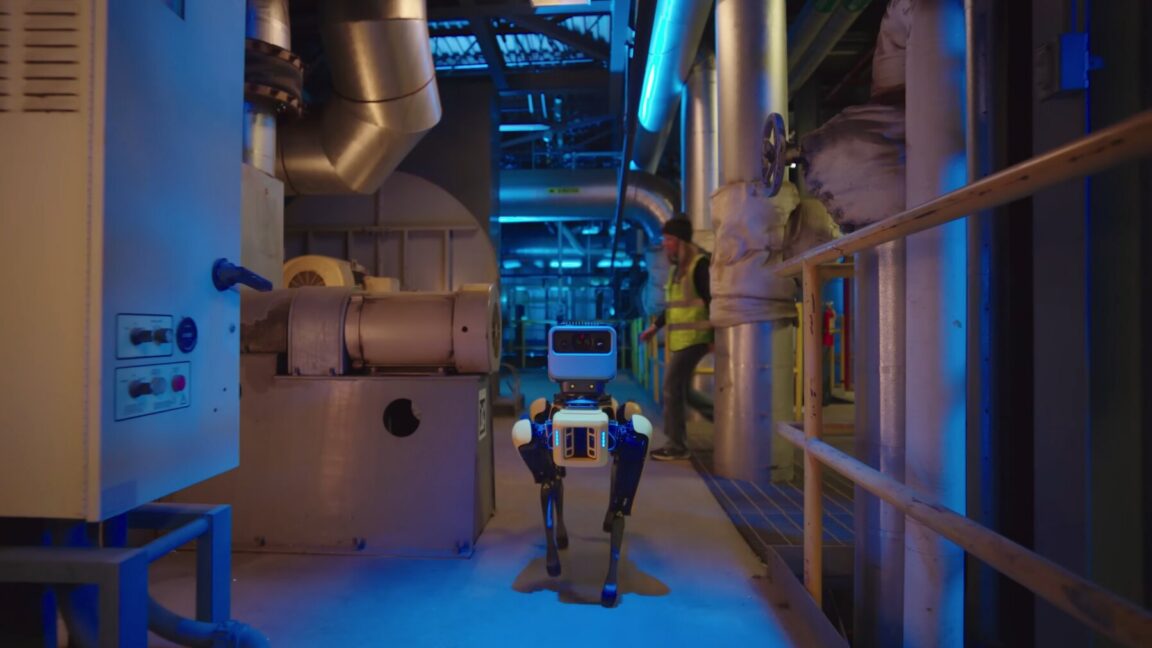
Robotics Breakthrough: GEN-1 Model Achieves 99% Reliability in Real-World Tasks
Advanced AI system successfully handles everything from folding boxes to fixing vacuums, reaching production-level performance standards.
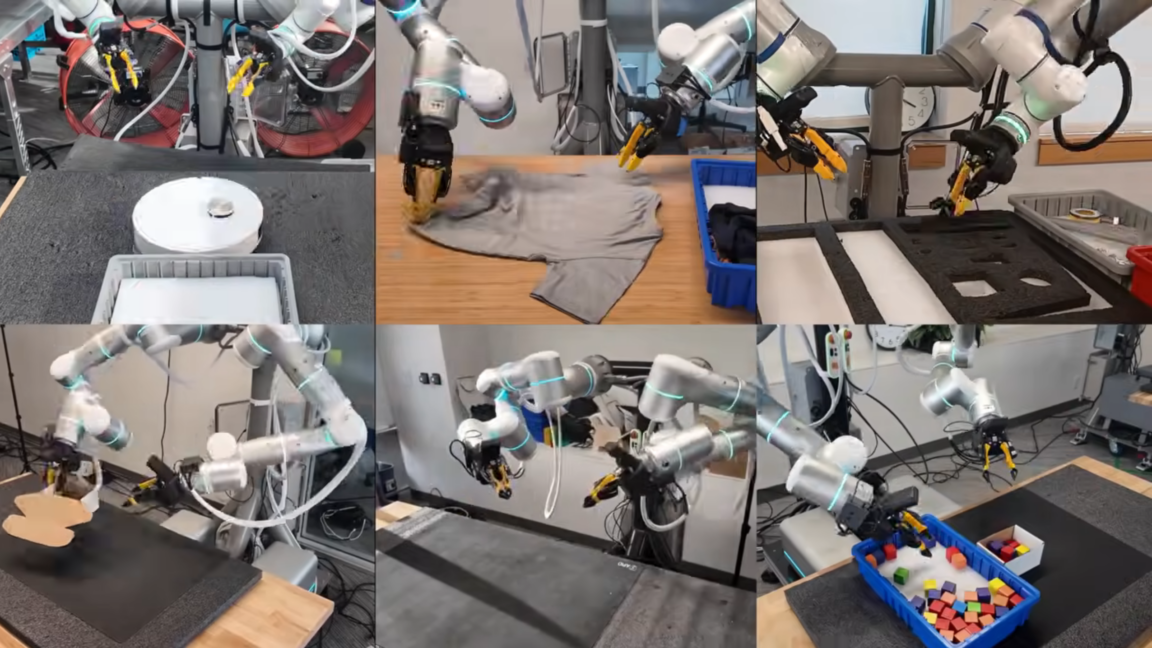
A revolutionary robotics AI model called GEN-1 has achieved an unprecedented 99% reliability rate in performing real-world tasks, marking a significant breakthrough in bringing artificial intelligence from laboratories into practical applications. The system has demonstrated remarkable versatility, successfully handling diverse activities ranging from folding boxes to repairing vacuum cleaners with production-level consistency.
The achievement represents a major leap forward in robotics reliability, addressing one of the biggest challenges facing the industry: the gap between controlled laboratory performance and real-world application success rates. Previous robotics systems often struggled to maintain high performance when faced with the unpredictable variables and complex scenarios encountered outside of controlled environments.
GEN-1's success stems from its advanced machine learning architecture that allows it to adapt to varying conditions and unexpected situations while maintaining consistent performance standards. The model has been trained on extensive datasets covering a wide range of physical manipulation tasks, enabling it to generalize learned behaviors across different scenarios and environments effectively.
The 99% reliability threshold is particularly significant because it represents the minimum standard typically required for production-level deployment in industrial and commercial settings. This level of consistency means that businesses can now seriously consider integrating advanced robotics systems into their operations without concerns about frequent failures or the need for constant human intervention.
The implications for various industries are substantial, from manufacturing and logistics to healthcare and domestic services. Companies are already exploring how GEN-1's capabilities could revolutionize their operations, potentially automating complex tasks that previously required human dexterity and problem-solving skills. The breakthrough suggests that the long-promised era of truly practical, reliable robotics may finally be within reach, though widespread adoption will likely depend on factors including cost, scalability, and regulatory approval processes.