Humanoid Robots Take Over Manual Jobs at Auto Parts Plant
Schaeffler facility in South Carolina becomes testing ground for humanoid robots performing manual tasks as industry debates workforce displacement.

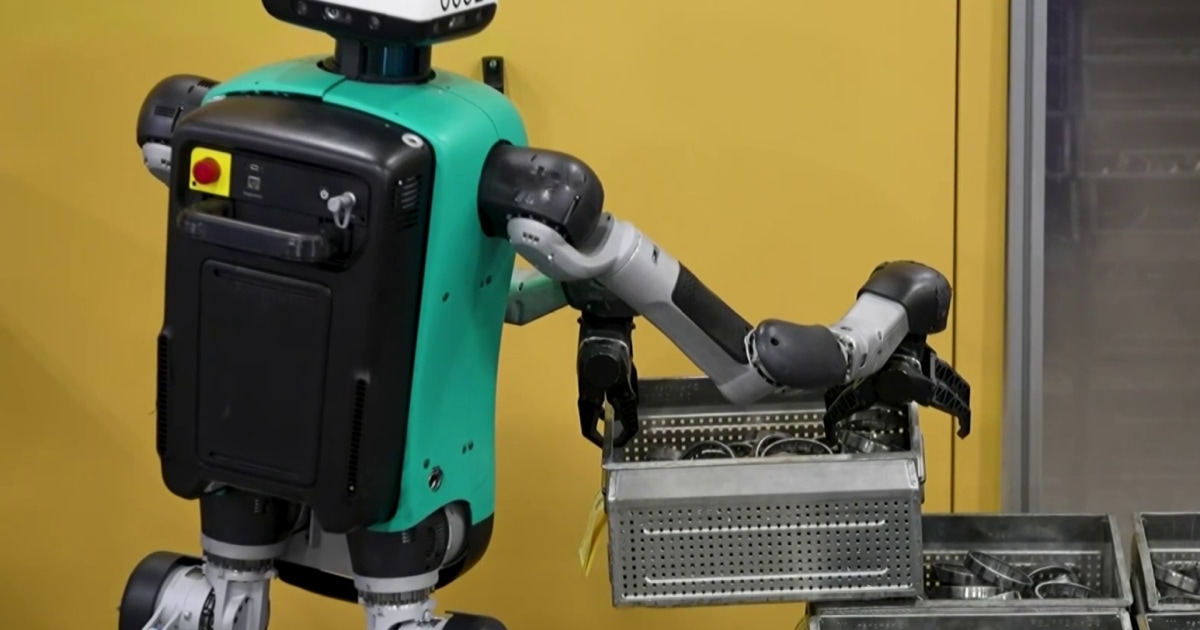
Humanoid robots are now performing manual labor tasks at a Schaeffler auto parts manufacturing plant in Cheraw, South Carolina, marking a significant milestone in the integration of advanced robotics into traditional manufacturing roles. The German automotive supplier has deployed these human-like machines to handle various manual operations, representing one of the first large-scale implementations of humanoid robots in an active production environment.
The robots at the Schaeffler facility are designed to perform tasks that previously required human workers, including assembly operations, material handling, and quality control processes. Unlike traditional industrial robots that are fixed in place and programmed for specific repetitive tasks, these humanoid robots can move around the factory floor and adapt to different assignments, making them more versatile for manufacturing operations that require flexibility.
Proponents of the technology argue that humanoid robots will not replace human workers but rather displace them to different, potentially more skilled roles within the company. This perspective suggests that as robots take over physically demanding or repetitive manual tasks, human employees can be retrained and reassigned to positions requiring critical thinking, problem-solving, and interpersonal skills that robots cannot replicate.
NBC News correspondent Brian Cheung observed the robots in operation and reported on their capabilities and the workforce implications. The robots demonstrated the ability to perform precise manual tasks while working alongside human employees in a collaborative environment. The implementation appears to be part of a broader industry trend toward automation and advanced manufacturing technologies.
The deployment at Schaeffler raises important questions about the future of manufacturing employment and the pace of automation adoption across the automotive industry. While supporters emphasize the potential for job transformation rather than elimination, critics worry about the long-term impact on manufacturing jobs and the ability of companies to successfully retrain displaced workers. The success or failure of this pilot program could influence how other manufacturers approach humanoid robot integration in their own facilities.