Humanoid Robots Take Over Manual Tasks at South Carolina Auto Parts Plant
Schaeffler facility in Cheraw deploys advanced robots for manufacturing work as company argues technology will displace workers to different roles, not replace them entirely.

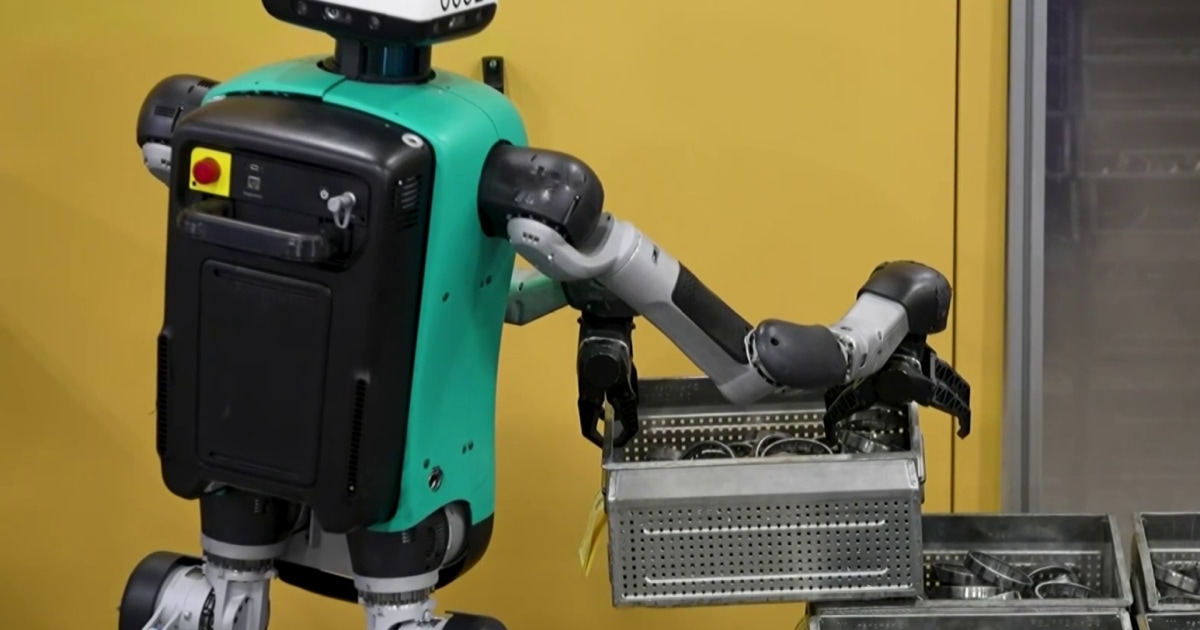
Humanoid robots have begun performing manual tasks at a Schaeffler auto parts manufacturing plant in Cheraw, South Carolina, marking a significant milestone in the integration of advanced robotics technology into American manufacturing operations. The deployment represents one of the most visible examples of how artificial intelligence and robotics are reshaping the industrial workforce, with the German automotive supplier positioning the technology as a complement to human workers rather than a direct replacement.
The robots at the Schaeffler facility are designed to handle specific manual tasks that were previously performed by human workers, demonstrating capabilities that include precision assembly work and material handling operations. Company representatives emphasize that the robotic deployment is part of a broader strategy to enhance productivity and maintain competitiveness in the global automotive supply chain while creating opportunities for existing employees to transition into different roles within the organization.
Proponents of the robotic integration argue that the technology will not eliminate human jobs but rather displace workers to different positions that require higher-level skills, such as robot maintenance, quality control, and systems management. This approach reflects a growing trend among manufacturers who are investing in automation while simultaneously retraining their workforce to operate alongside advanced robotic systems, creating a hybrid manufacturing environment.
The implementation at the Cheraw plant provides a real-world testing ground for humanoid robotics in manufacturing settings, offering insights into how such technology can be effectively integrated into existing production lines. Workers and management are closely monitoring the performance and efficiency gains from the robotic systems, while also evaluating the impact on workplace dynamics and employee adaptation to the new technology.
Industry analysts view the Schaeffler deployment as indicative of broader trends in American manufacturing, where companies are increasingly turning to automation to address labor shortages, improve consistency, and compete with international operations. The success or challenges encountered at this facility could influence how other manufacturers approach similar robotic integration projects, potentially accelerating or tempering the pace of humanoid robot adoption across the automotive supply chain and other industrial sectors.