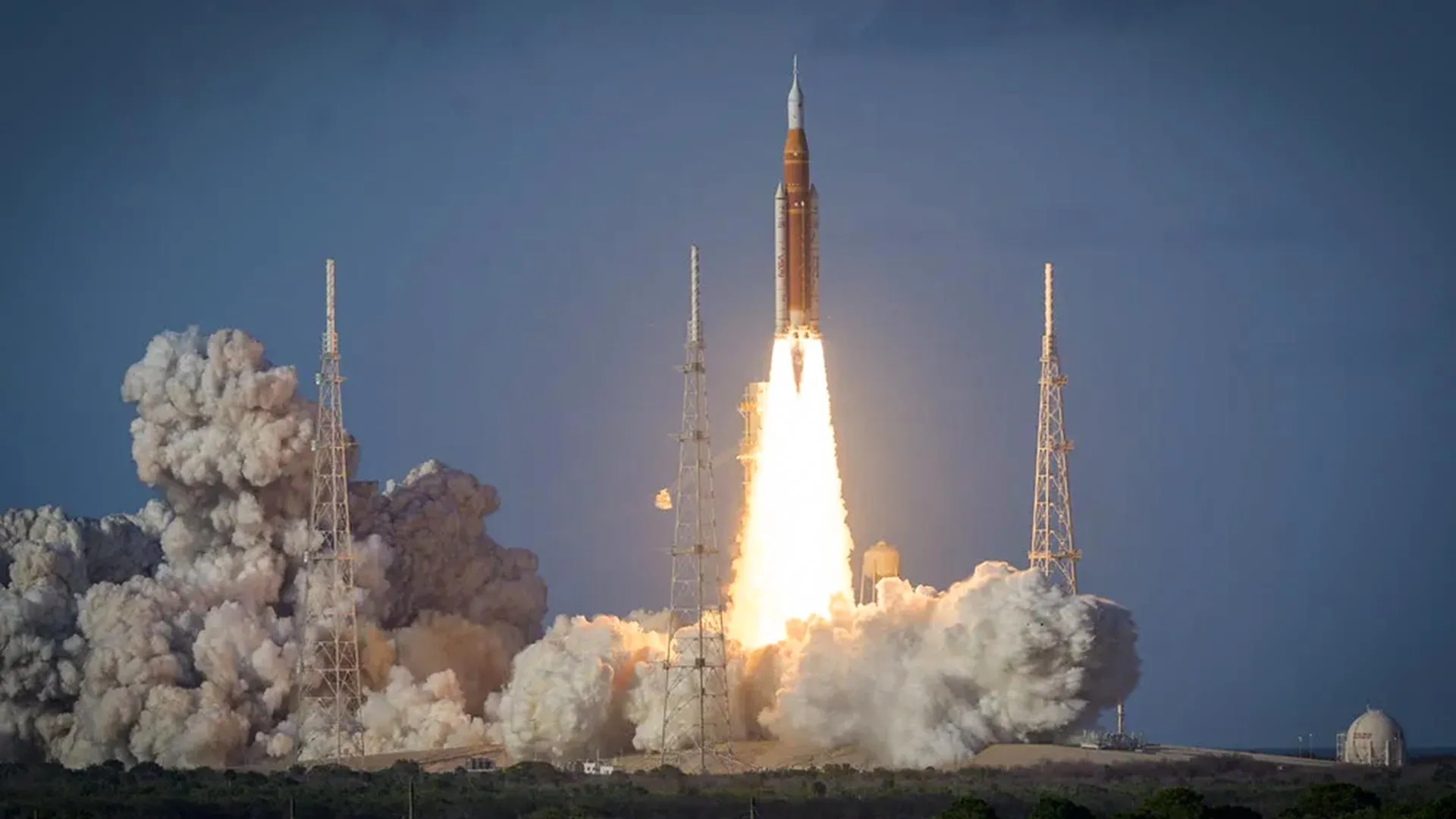
NASA Taps 41 New Technologies From 37 Companies to Build Its Moon and Mars Future
From compact power for the Moon's shadowed craters to systems for servicing spacecraft in orbit, the agency is pairing its labs and expertise with private industry in a $60 million-plus collaboration.
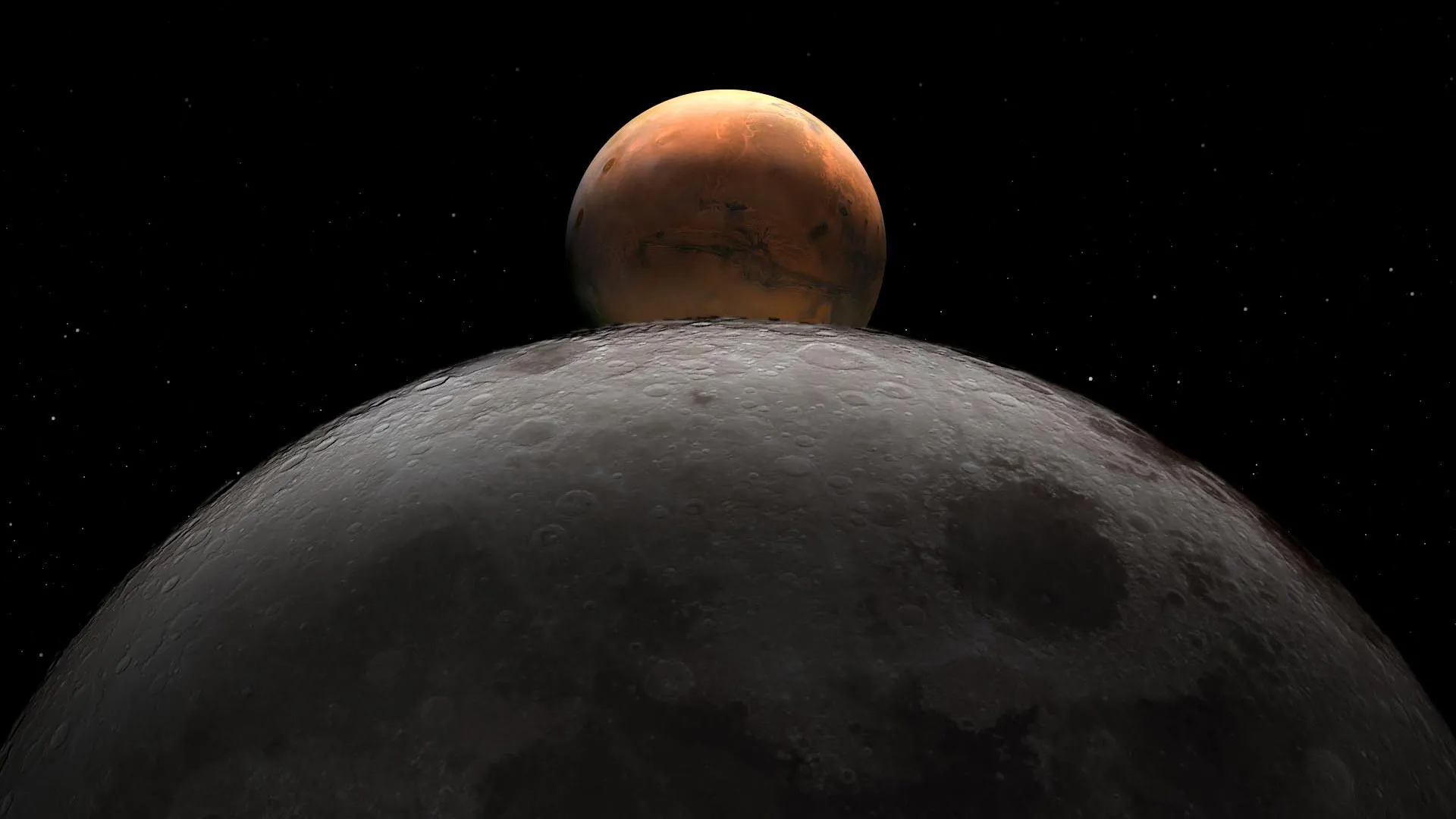
NASA has selected 41 new technology proposals from 37 American companies to help build the hardware and know-how needed for a sustained human presence on the Moon and eventual missions to Mars, the agency announced. The awards, made through NASA's 2025 Announcement of Collaboration Opportunity, focus on the practical engineering problems that stand between today's spacecraft and a permanent foothold in deep space.
Unlike a traditional grant program, the collaboration does not hand companies direct cash. Instead, NASA contributes its own resources, including specialized facilities, hardware, software and technical expertise, to help firms mature their ideas. The agency estimates it will provide about $30 million in such support, while the selected companies are investing roughly $32 million of their own money. Individual agreements typically run 12 to 24 months, and the program has backed more than 110 projects since it began in 2015.
"We are empowering American industry to become active partners in NASA's missions to the Moon, Mars, and beyond," said Greg Stover, director of the agency's Advanced Research and Technology Division, framing the effort as a way to share risk and accelerate development across the space economy.
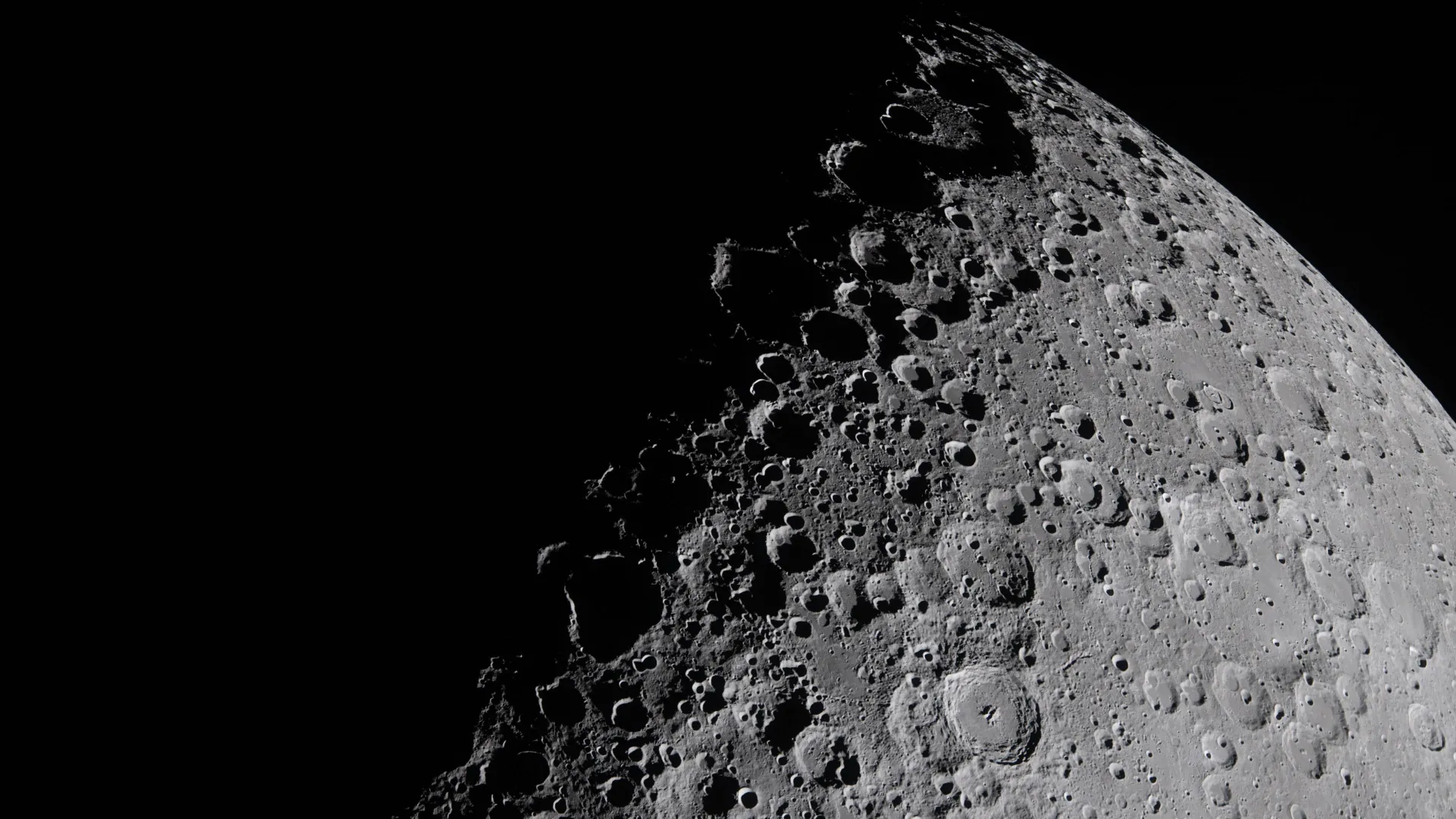
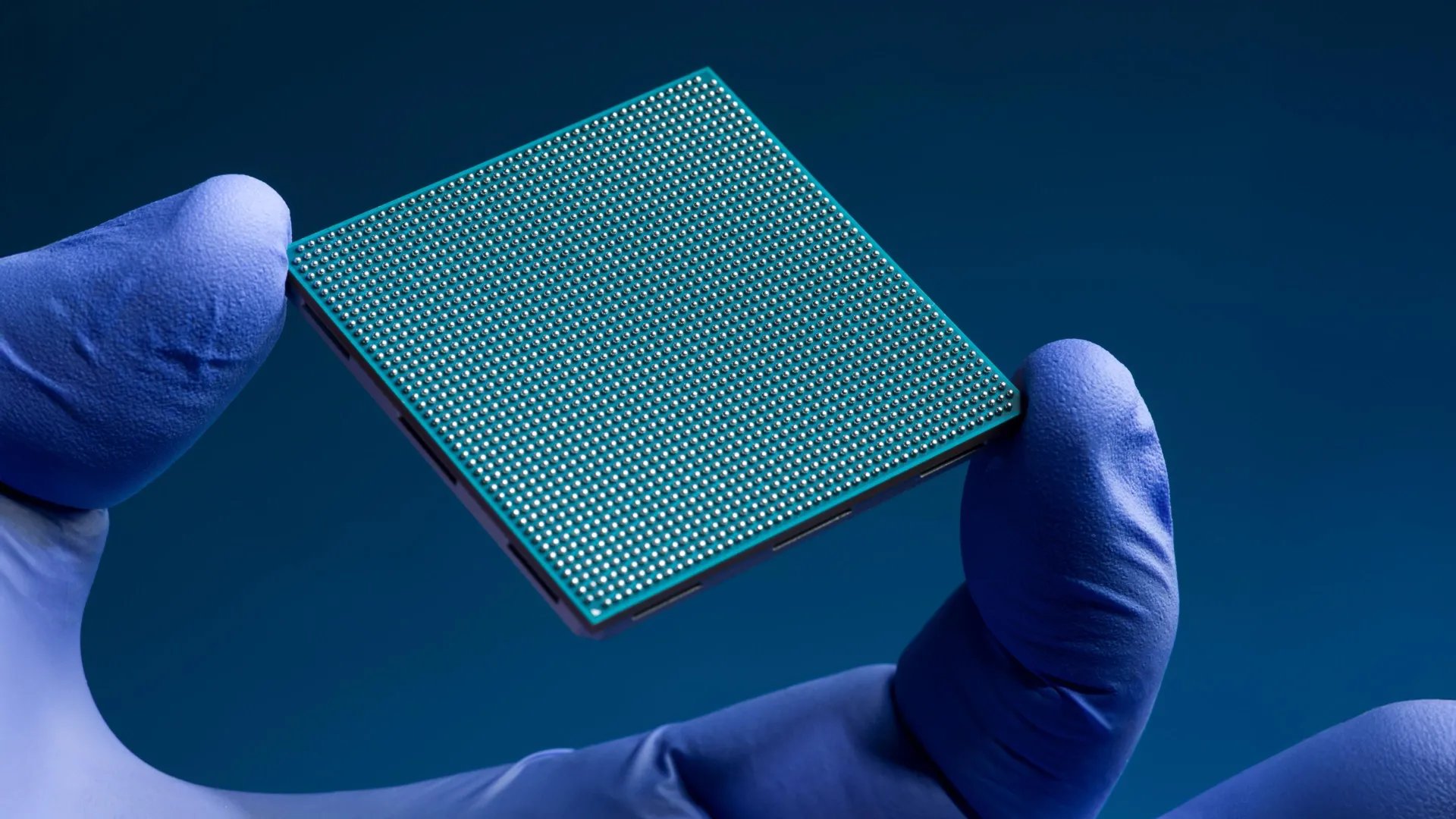
The selected projects span a wide range of challenges. Lockheed Martin will work on compact power systems designed to operate in the permanently shadowed regions near the lunar poles, where sunlight never reaches and temperatures plunge, as well as on wireless power transfer using fiber lasers. Kall Morris Inc. is developing an attachment system called Asteria that uses a controlled-release adhesive to grab onto spacecraft, a capability useful for servicing satellites or clearing debris. Moonprint Solutions is designing flexible protective covers to shield equipment from the abrasive, clingy dust that coats the lunar surface and has bedeviled every mission since Apollo.
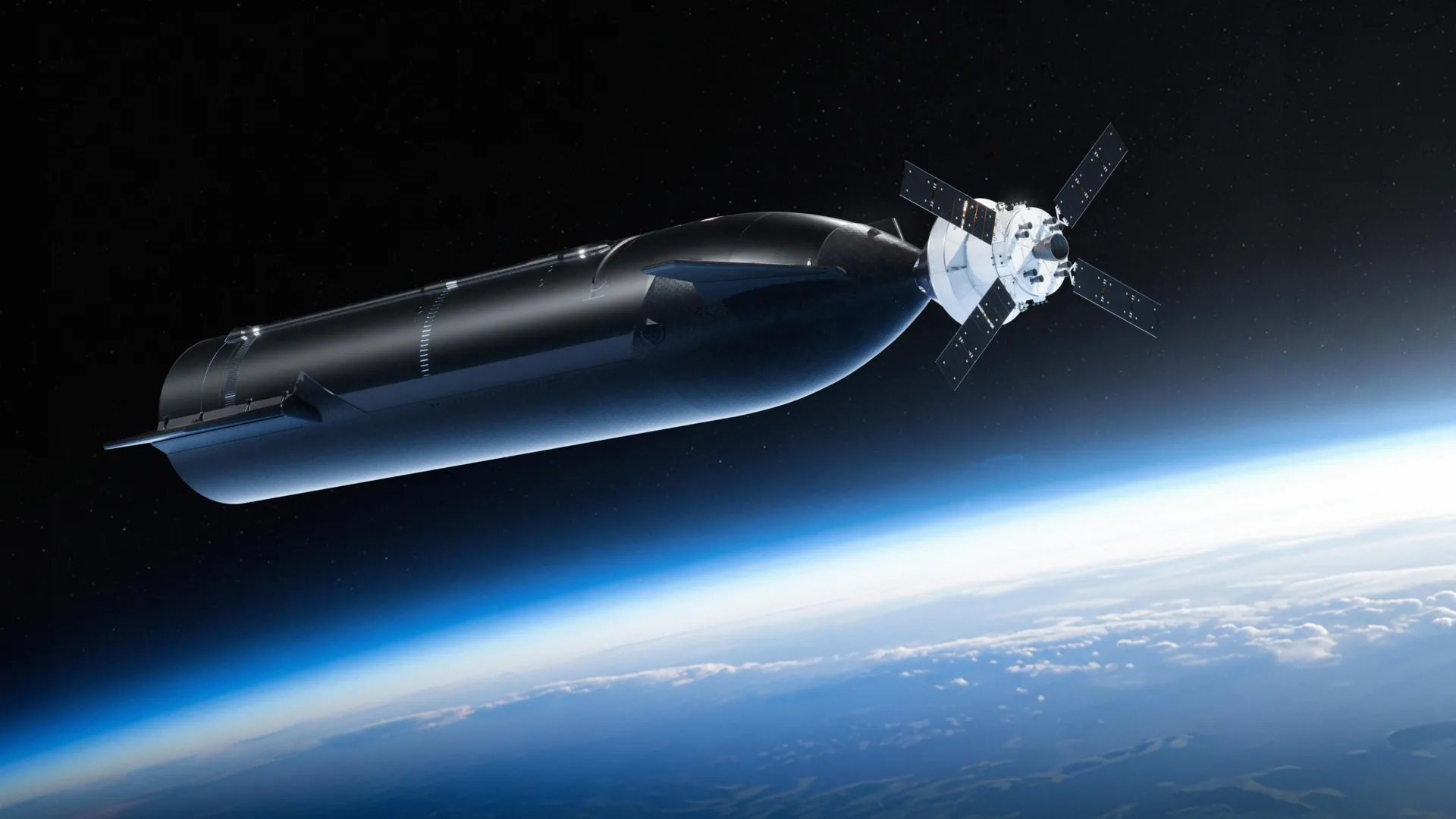
Broadly, the chosen technologies address priorities such as propulsion, guidance and navigation, landing systems, in-space servicing, assembly and manufacturing, and energy management, the building blocks NASA says it needs for lunar outposts and Mars-bound expeditions. Many are aimed squarely at the challenges of living and working far from Earth, where resupply is slow and every kilogram is expensive.
Beyond the specific hardware, NASA officials cast the awards as an investment in the commercial space sector itself. By helping companies prove out new capabilities, the agency hopes to seed new markets and lower the long-term cost of operating in space, spreading the expense of exploration across a broader base of private partners rather than shouldering it alone.