Artemis II Crew Splashes Down After First Crewed Lunar Mission Since Apollo 17 in 1972
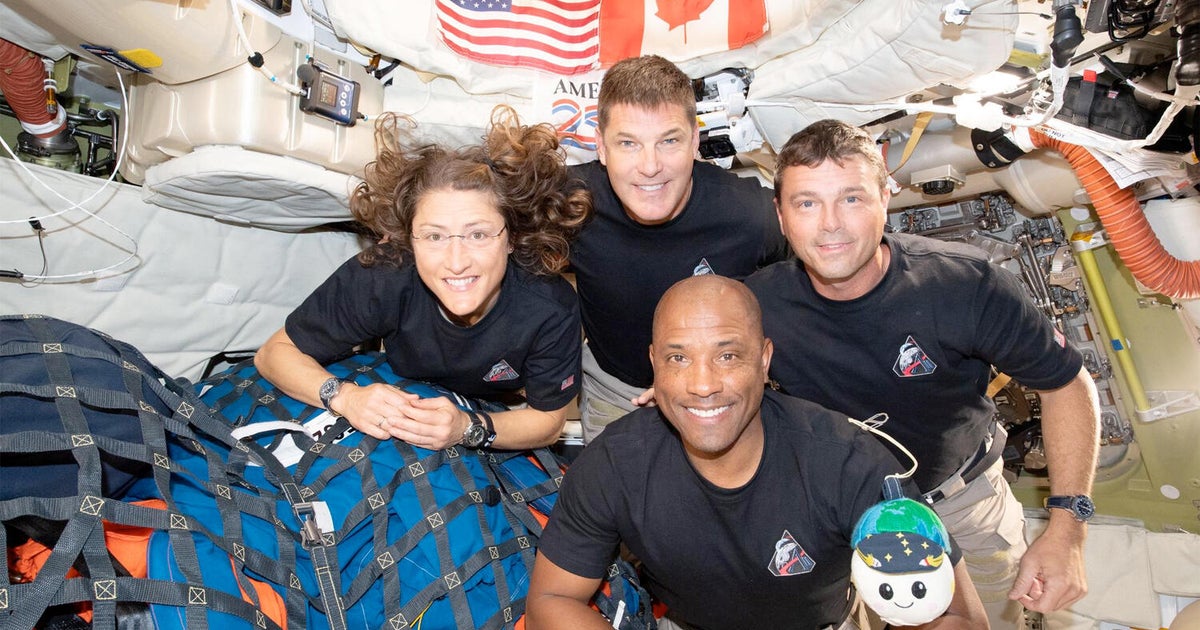
NASA astronauts Reid Wiseman, Victor Glover, Christina Koch, and Canadian astronaut Jeremy Hansen returned Thursday after a 10-day mission that took humans farther from Earth than any crew since Gene Cernan left the Moon 54 years ago.

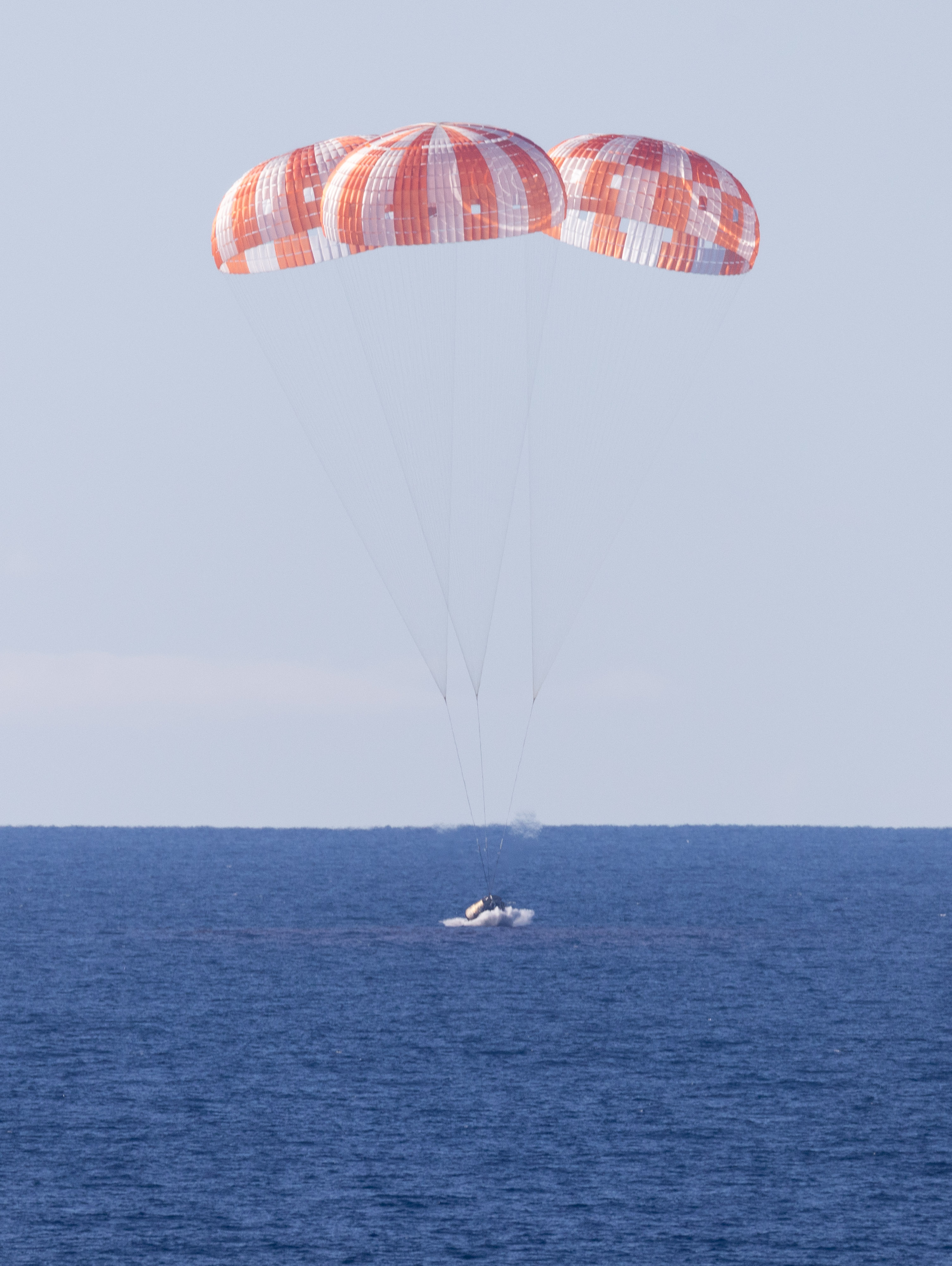
SAN DIEGO — Four astronauts aboard NASA's Orion spacecraft splashed down safely off the coast of San Diego on Thursday afternoon, ending a ten-day mission around the Moon that marked humanity's first crewed voyage beyond low Earth orbit since Apollo 17 departed the lunar surface in December 1972. The Artemis II mission, which did not include a lunar landing but sent a crew on a free-return trajectory around the Moon and back, was recovered by the USS John P. Murtha, a U.S. Navy ship stationed out of Naval Base San Diego, with the crew winched to the deck via helicopter before being flown to NASA's Johnson Space Center in Houston for post-mission medical evaluations.
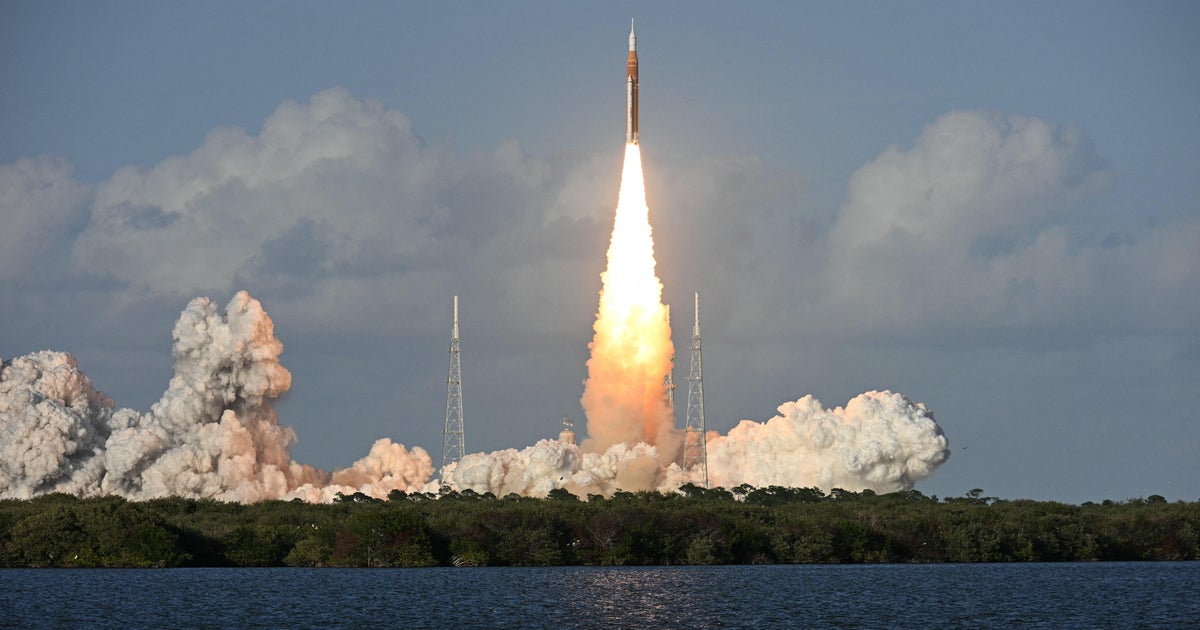
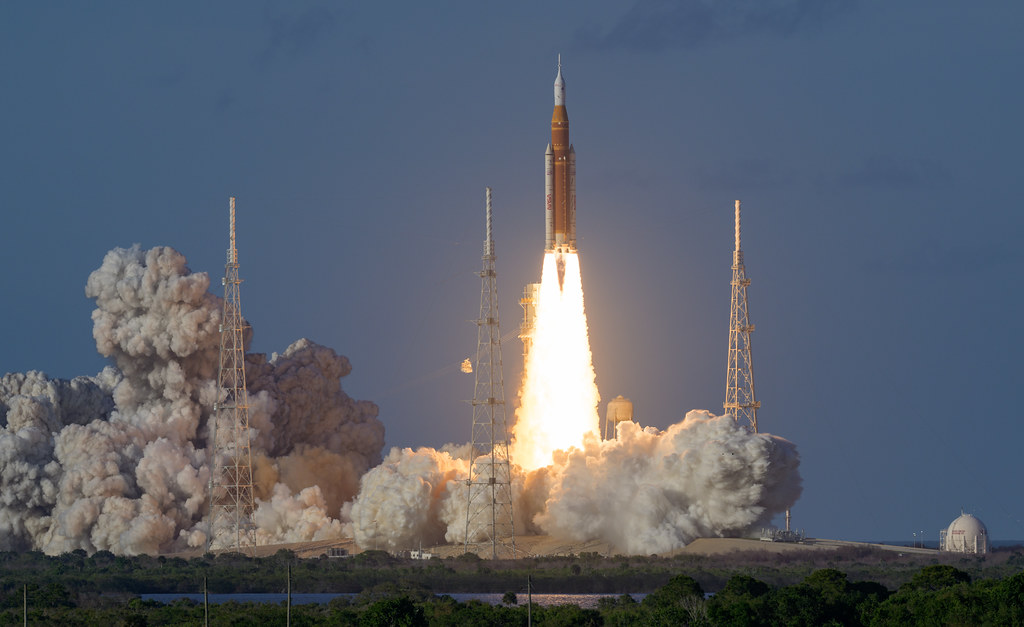
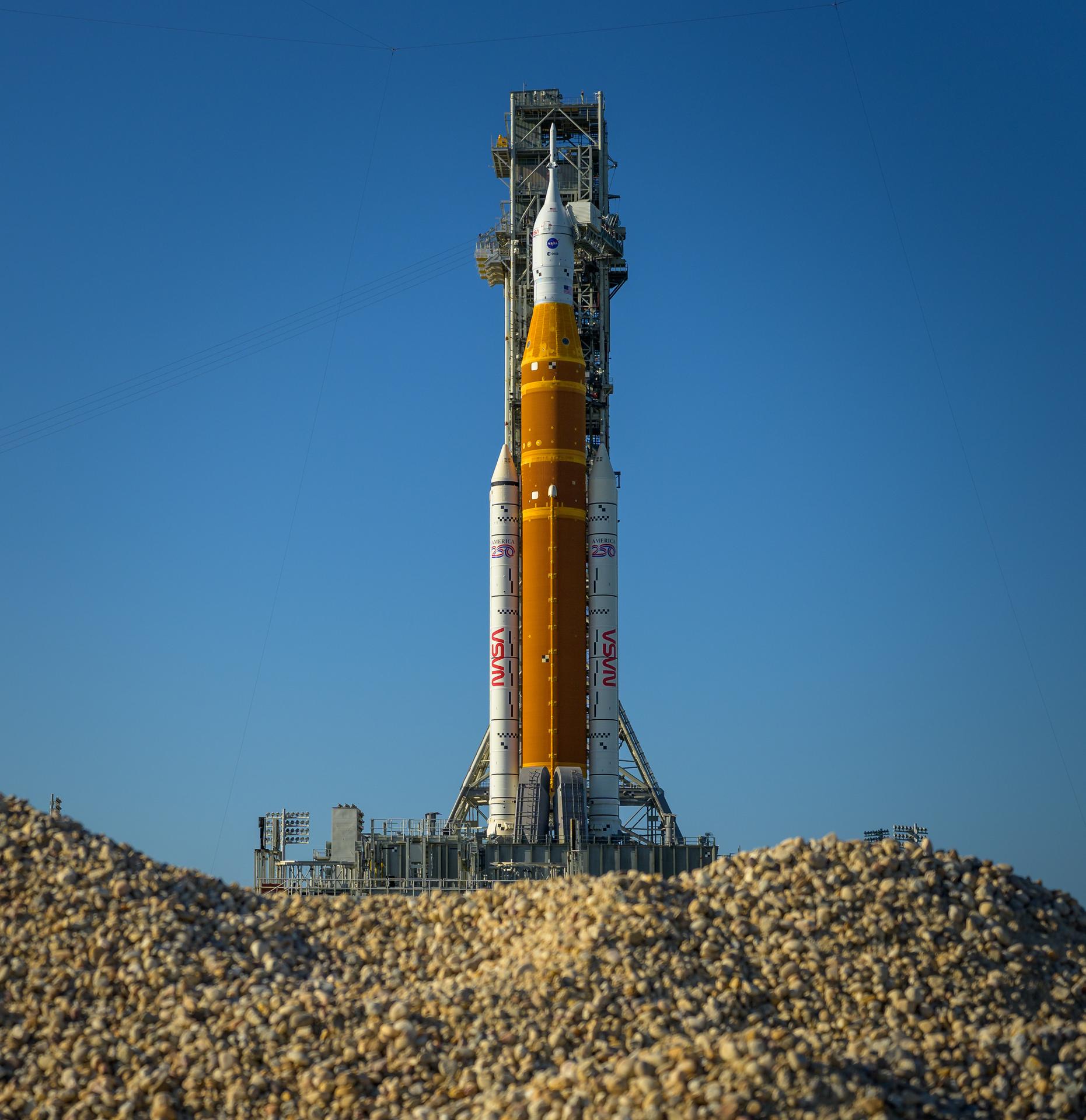
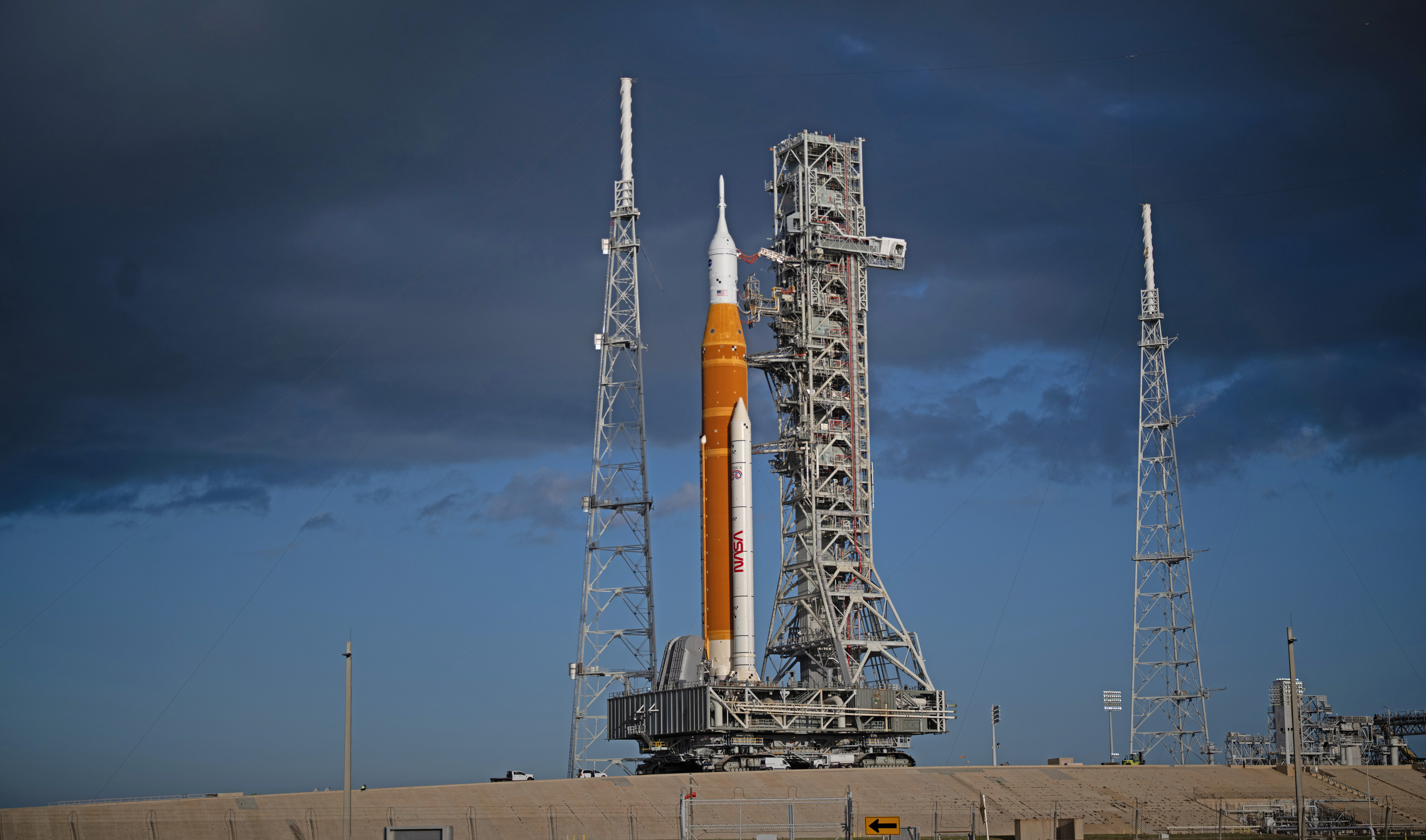
The crew — NASA astronauts Reid Wiseman (commander), Victor Glover, and Christina Koch, along with Canadian Space Agency astronaut Jeremy Hansen — launched aboard a Space Launch System rocket from Kennedy Space Center Launch Pad 39B on April 1. Their Orion capsule, named Integrity, reached a maximum distance of approximately 4,600 miles beyond the far side of the Moon — the farthest any humans have traveled from Earth since Gene Cernan, Harrison Schmitt, and Jack Schmitt made their return journey in December 1972. Splashdown occurred at 5:07 p.m. Pacific Daylight Time on April 10, with the capsule performing a textbook re-entry that included a six-minute communications blackout during peak plasma heating, followed by sequential deployment of drogue parachutes at 22,000 feet and three main parachutes at 6,000 feet.
The mission's most extraordinary moment came on April 6, when the crew observed and photographed a total solar eclipse from near the Moon using Orion's external cameras. As Earth passed between the Sun and the Orion capsule's perspective — an exact inversion of how solar eclipses are seen from Earth — the crew captured footage of the sun's corona blazing around a perfectly silhouetted Earth. NASA released the imagery hours after capture and it became the most shared space photograph in years, a reminder of the singular perspectives that crewed deep-space exploration can generate.
Astronauts Glover and Koch both made history on the mission: Glover became the first Black astronaut to travel beyond low Earth orbit, and Koch became the first woman to travel to the vicinity of the Moon. Hansen, meanwhile, is the first Canadian to travel beyond Earth orbit — a milestone for the Canadian Space Agency and for the international partnership model that underpins Artemis. "We went to the Moon and back together," Commander Wiseman said in a brief statement from the recovery ship. "This crew, this mission, this moment — it belongs to everyone."
The successful Artemis II mission clears the path for Artemis III, which is scheduled to include the first crewed lunar landing since 1972. That mission, expected no earlier than 2027, will use SpaceX's Starship Human Landing System to ferry two astronauts to the lunar south polar region, where NASA and international partners believe significant water ice deposits exist that could one day support a sustained human presence. Thursday's splashdown was a logistical and engineering validation that the SLS rocket, Orion capsule, and deep-space mission architecture are ready for the more demanding challenges ahead — even as some policymakers and space industry critics continue to debate whether the $90-billion-plus investment in SLS is the most efficient path to America's long-term lunar goals.