SpaceX Catches a Starship Out of Orbit for the First Time, but Loses Its Booster
On the 15th test flight, mechanical arms at Starbase snagged the upper stage after about 22 hours in space. The Super Heavy booster ran out of fuel and exploded before hitting the water.
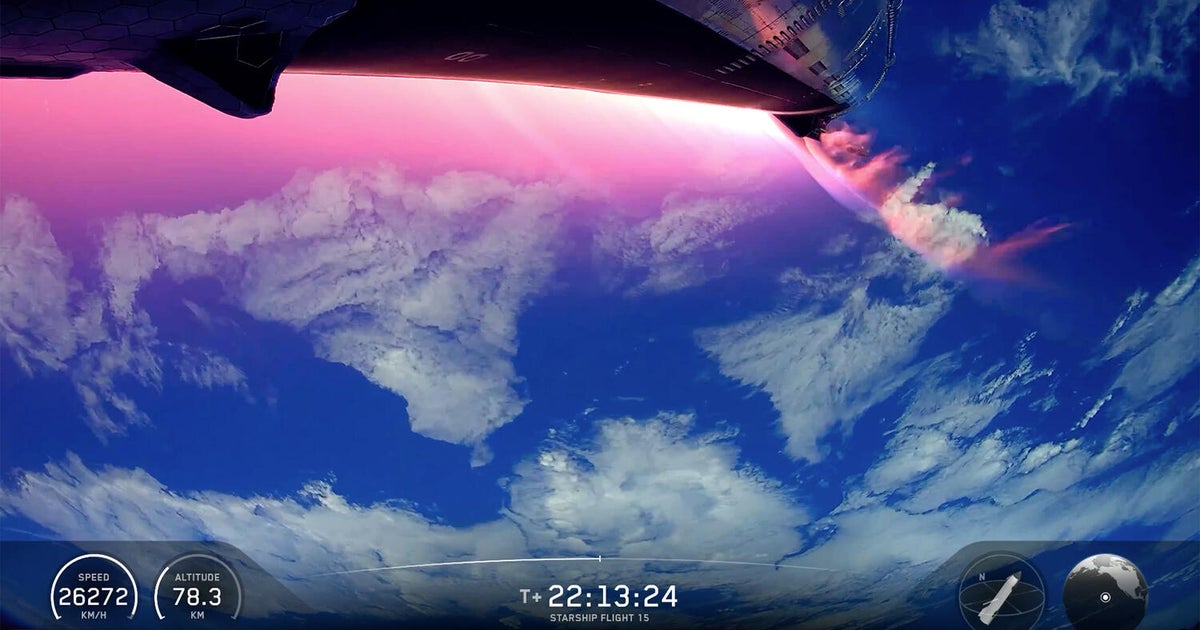
SpaceX caught a Starship upper stage with two mechanical arms at its Texas launch site on Saturday, the first time the company has recovered the spacecraft after a trip around the world. The catch came on the 15th test flight of the 407-foot Starship, which launched Friday.
The vehicle spent about 22 hours in space before reentering. Its belly glowed as heat-shield tiles absorbed the friction of the atmosphere. It crossed the Baja Peninsula and northern Mexico, then passed just north of the launch site before banking and dropping belly-first out of low clouds. It restarted three of its six Raptor engines to flip upright, slowed to a near hover and was grabbed by the two arms on the launch gantry at Starbase, Texas, moments before its engines shut down. SpaceX employees at the site cheered and applauded.
Earlier Starship test flights ended in planned splashdowns in the ocean. SpaceX has recovered Super Heavy first-stage boosters from three previous launches, but Saturday's catch of the upper stage is the one the company needs for its plan to fly the same ship again and again. SpaceX commentator Dan Huot called it the "holy grail of spaceflight" and said, "We caught a Starship, and now everything changes." Commentator Jessie Anderson called it one of the most historic engineering feats of all time.
The day was not a clean sweep. The Super Heavy booster, which uses 33 Raptor engines to produce about 16 million pounds of thrust at liftoff, was diverted to an offshore splashdown because of a guidance problem. It ran out of fuel and exploded moments before reaching the water. Elon Musk blamed a "slight underperformance of engines" and said the loss does not change SpaceX's timeline for high-volume, fully reusable flights.
Plenty of work remains. SpaceX has to launch and recover many Super Heavy-Starship pairs to show the statistical reliability needed before putting people on board. The company also has to prove it can refuel a ship in Earth orbit and keep propellant from boiling off in space. Because the upper stage uses most of its propellant just reaching orbit, refueling is essential for deep-space missions. SpaceX plans orbital refueling tests within the next several flights.
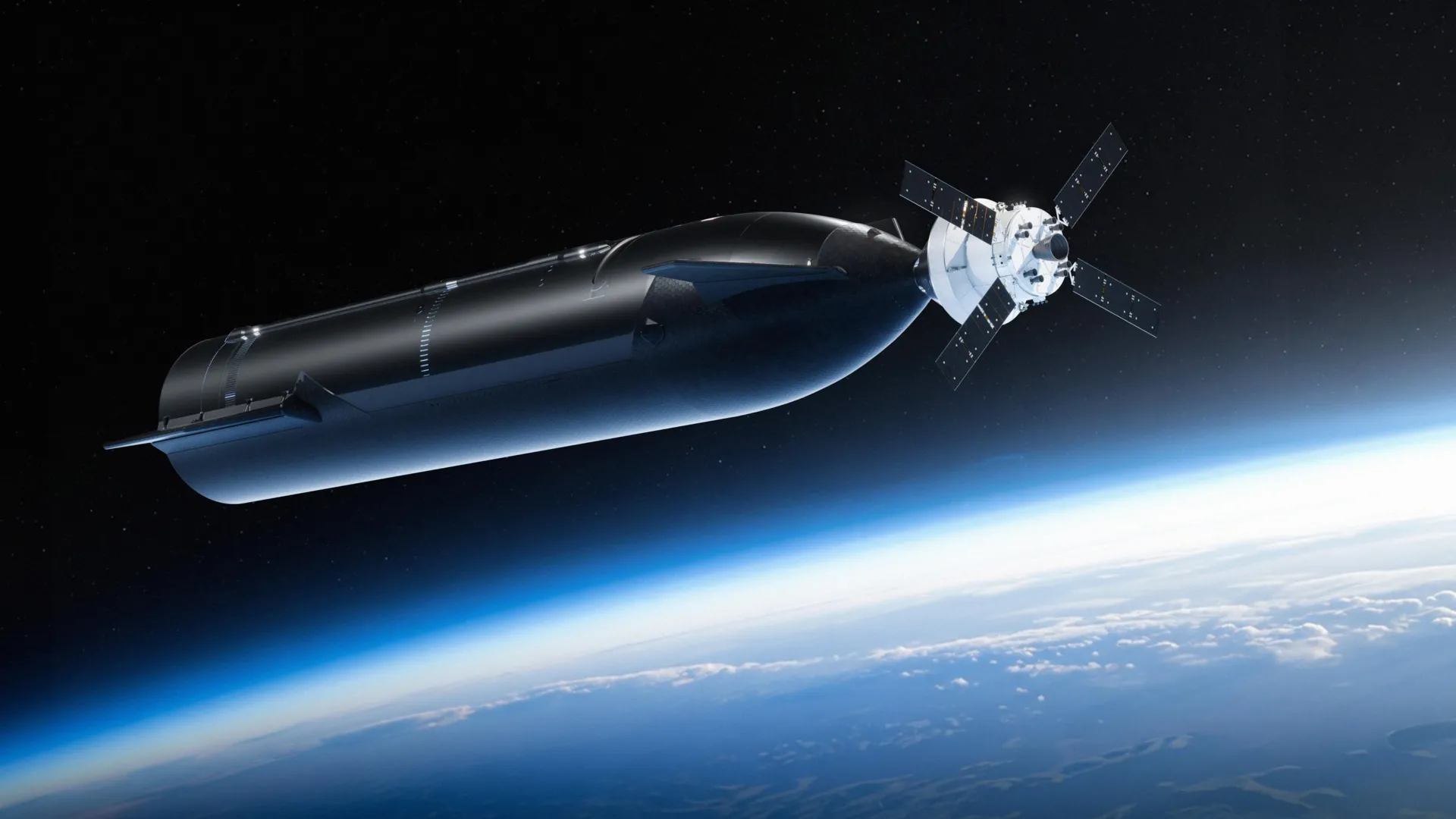
That matters to NASA, which wants a Starship variant to carry astronauts to the lunar surface in 2028. Landing that way would require multiple tanker flights to fill the lander in Earth orbit. Development has run longer than expected, and NASA has said it is open to using Blue Origin's Blue Moon Mark 2 lander if that vehicle is ready first.
Starship is the most powerful launcher ever built. Catching its upper stage out of orbit shows the company can bring the second stage back to the pad intact, which is the step that separates a rocket that is thrown away from one that works like an airliner. The next tests will show whether SpaceX can turn Saturday's success into a routine.